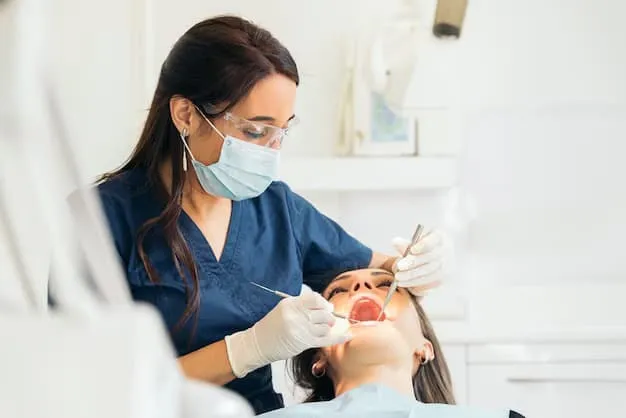

A smile can influence everyday confidence, communication, and the way individuals feel about their overall appearance. Teeth that are stained, chipped, uneven, worn, or slightly misaligned may cause some people to feel less comfortable when smiling or speaking. Modern cosmetic dental care provides several approaches designed to improve the appearance of teeth while considering individual oral health needs. Individuals exploring treatment with a Cosmetic dentist can benefit from understanding available procedures, treatment planning, expected outcomes, and the importance of maintaining healthy teeth and gums before and after cosmetic improvements.
Understanding Cosmetic Dental Care
Cosmetic dentistry focuses primarily on improving the appearance of teeth and the smile while maintaining appropriate oral function. Depending on individual needs, treatment may address tooth color, shape, size, alignment, spacing, or visible damage. Some procedures can also provide restorative benefits in addition to aesthetic improvements. A professional evaluation is important before cosmetic treatment because underlying cavities, gum disease, damaged teeth, or other oral health concerns may need attention first. A healthy foundation allows cosmetic procedures to be planned more effectively and can contribute to better long term oral health.
Evaluating Smile Concerns
Every smile has different characteristics, so cosmetic treatment begins with understanding the concerns that an individual wants to address. Some people may be primarily concerned with tooth discoloration, while others may notice chips, uneven edges, spaces, or worn surfaces. The dental professional can examine the teeth and gums and discuss the desired changes. Factors such as facial proportions, existing tooth structure, bite, and gum appearance may also influence treatment planning. A detailed evaluation helps establish realistic expectations and determines which cosmetic approaches may be suitable for the individual's needs.
Considering Oral Health First
Cosmetic treatment should generally be planned around a healthy oral foundation. Cavities, gum inflammation, infections, or other dental concerns may need to be addressed before aesthetic procedures begin. Treating these conditions first can help protect the teeth and supporting tissues while allowing cosmetic treatment to be performed in a healthier environment. Regular examinations can identify issues that may not yet cause noticeable symptoms. By addressing oral health needs before focusing on appearance, individuals can work toward a smile that is not only attractive but also supported by healthy teeth and gums.
Teeth Whitening Options
Tooth discoloration is one of the most common cosmetic concerns. Teeth can become darker or stained due to aging, certain foods and drinks, tobacco exposure, and other factors. Professional whitening procedures can help reduce many types of surface and deeper discoloration, depending on the cause. The appropriate whitening approach depends on the condition of the teeth and the individual's goals. A professional evaluation can help determine whether whitening is suitable and what level of improvement may reasonably be expected. Proper guidance can also reduce the likelihood of unnecessary sensitivity or improper product use.
Understanding Whitening Results
Whitening results can vary because different types of discoloration respond differently to treatment. Surface stains may respond more readily, while certain internal discolorations may require alternative approaches. The natural color and condition of the teeth also influence the final result. Individuals should understand that whitening does not permanently prevent future staining. Maintaining good oral hygiene and moderating foods and beverages that contribute to discoloration can help preserve the improvement. Professional guidance can help establish an appropriate treatment approach while considering existing restorations, sensitivity, enamel condition, and overall oral health.
Improving Tooth Shape and Size
Teeth that appear unusually small, uneven, chipped, or irregular can affect the balance of a smile. Cosmetic procedures may be used to alter the visible shape or proportions of certain teeth. Depending on the condition, options may include carefully reshaping enamel, bonding material to the tooth, or using a custom restoration. The appropriate approach depends on how much change is desired and how much healthy tooth structure is available. Conservative treatment may be preferred when it can achieve the desired improvement while preserving as much natural tooth structure as possible.
Addressing Minor Chips
Small chips can sometimes be corrected with tooth colored bonding material. This approach may allow the visible contour of a tooth to be improved without extensive removal of natural structure. The material can be shaped and polished to blend with surrounding teeth. Bonding may be suitable for certain minor cosmetic concerns, although its durability depends on factors such as tooth location, biting forces, and individual habits. Patients should avoid using repaired teeth to bite extremely hard objects. Regular examinations can help monitor the condition of the bonded area over time.
Improving Uneven Edges
Uneven tooth edges can sometimes make a smile appear irregular, particularly when the front teeth are involved. Minor reshaping may be appropriate when only a small amount of enamel needs adjustment and the teeth are otherwise healthy. More noticeable changes may require another cosmetic approach. The dental professional evaluates the tooth structure, bite, and surrounding teeth before recommending treatment. Preserving healthy enamel is important, so unnecessary reshaping should be avoided. A carefully planned approach can create a more balanced appearance while maintaining appropriate tooth structure and function.
Addressing Tooth Gaps and Spacing
Spaces between teeth can occur naturally or develop because of tooth movement, missing teeth, or changes in the supporting tissues. Cosmetic treatment may help close certain visible gaps depending on their size, location, and underlying cause. Bonding or restorative procedures may be considered in some situations, while orthodontic treatment may be more appropriate when tooth movement is required. The cause of the spacing should be evaluated before treatment. Addressing the underlying reason can help ensure that cosmetic improvements are supported by appropriate oral health care.
Creating Better Smile Proportions
A balanced smile involves more than simply closing spaces or changing individual teeth. The proportions of teeth, their relationship to the gums, and their position relative to neighboring teeth can influence the overall appearance. Cosmetic treatment should therefore consider the smile as a whole. The dental professional may assess tooth length, width, symmetry, and visible gum contours when planning improvements. A personalized approach can help prevent one tooth from appearing noticeably different from the rest. The goal is generally to create a harmonious appearance while maintaining comfortable oral function.
Considering Dental Veneers
Veneers are thin coverings designed to improve the visible appearance of certain teeth. They may be considered for concerns such as discoloration, minor shape differences, spacing, or certain cosmetic imperfections. Veneer treatment requires careful planning because the preparation and final appearance need to be evaluated before placement. The condition of the tooth, bite, gum health, and desired changes all influence suitability. Individuals should understand that veneers are not appropriate for every cosmetic concern. A professional examination can help determine whether this approach is suitable or whether a more conservative option may provide the desired result.
Planning Veneer Treatment
Successful veneer treatment begins with detailed planning. The dental professional considers the patient's existing teeth, facial proportions, smile characteristics, bite, and cosmetic goals. The desired shade and shape of the veneers can also be discussed before the final restorations are created. Maintaining healthy gums is important because gum inflammation can affect the appearance and long term condition of the treatment. Patients should also understand that veneers require ongoing care and may eventually need replacement. Proper planning helps establish realistic expectations and supports a more predictable cosmetic outcome.
Cosmetic Treatment and Dental Alignment
Slightly uneven or crowded teeth can affect the appearance of a smile. In some cases, cosmetic treatment can improve the visible appearance without significantly changing tooth position. However, more complex alignment concerns may require orthodontic treatment to move teeth into healthier positions. A professional evaluation can distinguish between cosmetic surface concerns and structural alignment issues. Choosing treatment based solely on appearance may overlook underlying bite or spacing problems. Addressing alignment appropriately can improve both function and appearance while helping maintain healthier relationships between the teeth and surrounding tissues.
Understanding Treatment Limitations
Cosmetic dentistry can improve many visible concerns, but it does not correct every dental condition. Some problems may involve deeper structural issues, significant tooth damage, or complex bite relationships. In these situations, restorative or orthodontic treatment may be necessary before cosmetic improvements can be considered. Individuals should receive a complete assessment rather than assuming that a specific cosmetic procedure will be appropriate. Understanding the limitations of each treatment helps patients develop realistic expectations and choose an approach that supports both appearance and oral health.
Maintaining Cosmetic Dental Results
Good oral hygiene is essential after cosmetic treatment. Daily brushing, cleaning between teeth, and regular dental examinations help protect natural teeth and supporting tissues. Individuals should also be mindful of habits that may damage cosmetic restorations, such as biting fingernails, chewing ice, or using teeth to open packages. Foods and beverages that contribute to staining may also affect certain cosmetic materials over time. Following personalized care recommendations can help maintain the appearance and function of treated teeth. Long term results depend on both the quality of treatment and the individual's daily habits.
Protecting Treated Teeth
Cosmetic restorations can be durable, but they are not indestructible. Patients should avoid placing unnecessary pressure on treated teeth and should seek professional advice if a restoration becomes chipped, loose, or damaged. Protective equipment may be useful for individuals who participate in activities involving a risk of dental injury. Regular examinations allow the dental professional to monitor restorations and identify early changes. Addressing small concerns promptly can help prevent more extensive damage. Careful maintenance supports the appearance of the smile while protecting the underlying natural tooth structure.
Choosing Appropriate Cosmetic Treatment
Selecting a cosmetic procedure should involve more than focusing on the quickest visible improvement. The dental professional considers the condition of the teeth, gums, bite, existing restorations, and long term oral health. Individuals should discuss their desired outcome, concerns about treatment, maintenance requirements, and expected longevity. Different procedures involve different levels of preparation and maintenance. A personalized treatment plan can help match the procedure to the individual's needs while preserving healthy tooth structure whenever possible. Understanding the available options allows patients to approach cosmetic care with realistic expectations and informed decisions.
Conclusion
Cosmetic dental treatment can address concerns involving tooth color, shape, spacing, minor damage, and overall smile balance while supporting appropriate oral function. Smiles by Rizzo can help individuals explore suitable cosmetic options based on their oral health, appearance goals, and individual circumstances. A successful cosmetic treatment plan begins with a thorough evaluation and may involve whitening, bonding, veneers, reshaping, or other approaches depending on the condition of the teeth. Maintaining good oral hygiene and attending regular professional examinations can also help preserve cosmetic results and support a healthy, confident smile over time.






















Sign in to leave a comment.