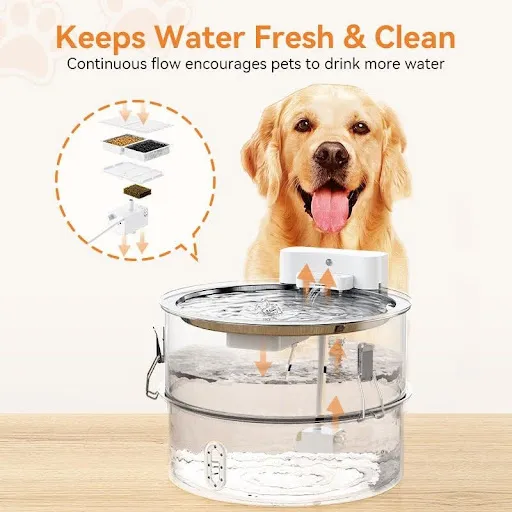

If you share your home with multiple pets, you already know the daily battle of keeping water bowls clean, full, and accessible to everyone. Between the slobber, the food particles drifting into the dish, and the occasional territorial standoff at the water station, ensuring proper hydration can feel like a full-time job. Add in the annoyance of loud, buzzing pet gadgets disrupting your household's calm, and you have a recipe for frustration. Secure pet water fountains offer a smarter path forward—combining continuous filtration, near-silent operation, and durable construction to keep every pet hydrated without the chaos. These devices address the real concerns pet owners face: maintaining genuinely clean drinking water, preventing conflicts between animals, and doing it all without adding another source of household noise. In this guide, we'll walk through why hydration matters so much in multi-pet homes, what features to prioritize in a quality fountain, how to choose the right model for your situation, and the practical steps to set up and maintain your fountain for years of peaceful, reliable use.
Why Hydration is Critical for Families with Multiple Pets
Dehydration in pets isn't just about thirst—it's a gateway to serious health complications including organ failure, lethargy, and chronic illness. In multi-pet households, water demand multiplies quickly. A single large dog can drink over a gallon daily, and when you add cats, second dogs, or other animals to the mix, a standard water bowl empties fast and grows contaminated even faster. Traditional bowls present a trifecta of problems: stagnant water breeds bacteria within hours, frequent refills become a chore that's easy to forget, and dominant pets often guard the bowl, leaving timid animals underhydrated. A continuous, reliable water source eliminates these pressure points by ensuring fresh water flows regardless of how many tongues have already visited the dish.
The Health Benefits of Consistent, Clean Water Access
Proper hydration directly supports kidney function by helping flush toxins from the bloodstream, aids digestion by keeping food moving through the gastrointestinal tract, and sustains energy levels throughout the day. Cats are particularly vulnerable to urinary tract infections and kidney disease when water intake drops—conditions that are both painful and expensive to treat. Dogs with consistent access to clean water show better joint lubrication and temperature regulation. When water is fresh and circulating rather than sitting stale in a bowl, pets are naturally drawn to drink more often, creating a preventive health buffer that reduces veterinary visits over time.

Common Pitfalls of Shared Water Bowls
Shared bowls become petri dishes remarkably fast. Saliva, food debris, and environmental dust create a biofilm layer that harbors harmful bacteria like E. coli and salmonella within 24 to 48 hours. Larger or more assertive pets frequently splash water out or block access entirely, leaving smaller or more anxious animals to go without. Cats in particular may refuse water that smells or tastes off, choosing dehydration over a dirty bowl. These everyday realities point clearly toward the need for advanced solutions that filter continuously, accommodate multiple drinkers simultaneously, and remove the territorial dynamics that static bowls inevitably create.

Key Features of Advanced Pet Water Fountains for Secure Hydration
Not all pet water fountains deserve a spot in your home. The difference between a cheap plastic gadget and a genuinely effective hydration system comes down to three core attributes: filtration quality, noise engineering, and material construction. Advanced pet water fountains integrate all three into a single unit designed to handle the demands of households with multiple animals drinking throughout the day. Understanding how each feature works helps you identify which fountains actually solve problems versus which ones simply move water in a circle.
Advanced Filtration Systems for Pristine Water
Multi-stage filtration is what separates a functional fountain from a glorified bowl with a pump. The best systems use a combination of activated carbon filters and dense foam pre-filters working in sequence. The foam layer captures hair, food particles, and larger debris before water reaches the carbon stage, which absorbs chlorine, odors, and dissolved impurities that make water taste unpleasant to sensitive animals. In multi-pet homes, this layered approach matters enormously—three or four animals cycling through the same water source introduce far more contaminants than a single pet ever would. The continuous circulation means water passes through filtration repeatedly rather than sitting and accumulating bacteria, keeping it genuinely fresh between cleaning sessions rather than just appearing clean on the surface.
Engineered for Whisper-Quiet Operation
Noise is one of the most common reasons pet owners abandon fountains entirely. Early models used cheap submersible pumps that buzzed, hummed, and vibrated against plastic housings—hardly the peaceful environment you want in a living room or bedroom. Modern whisper-quiet operation relies on brushless motor technology that eliminates the mechanical friction responsible for most pump noise. Insulated pump chambers and silicone dampening feet further isolate vibrations from hard floors or countertops. The result is a fountain that operates below 30 decibels—quieter than a whispered conversation. This matters not just for human comfort but for noise-sensitive pets who may avoid a loud fountain altogether, defeating its entire purpose.
Durability and Safety with Stainless Steel Water Fountains
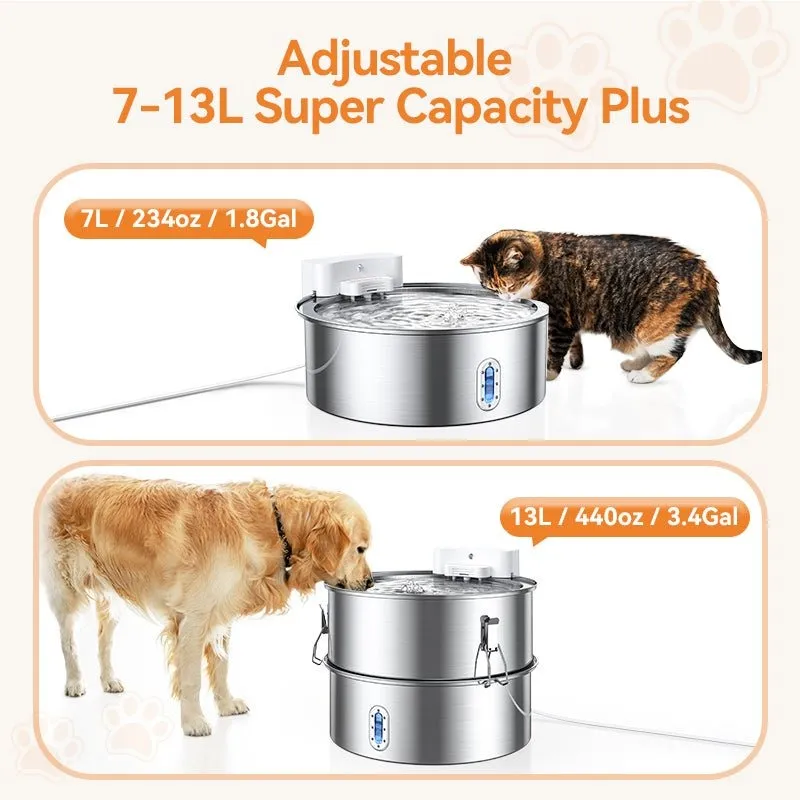
Material choice directly impacts both hygiene and longevity. A stainless steel water fountain resists the scratches that plague plastic alternatives—scratches where bacteria embed and survive even after washing. The non-porous surface won't absorb odors or discolor over time, and it stands up to enthusiastic drinkers who paw, nudge, or chew at their water source. Brands like Meowant have embraced stainless steel construction in their fountain designs, recognizing that for households with large dogs or particularly determined cats, this material provides the structural integrity that prevents tipping and cracking. It's also dishwasher-safe, simplifying deep cleaning considerably. Beyond durability, stainless steel eliminates concerns about BPA or chemical leaching that accompany lower-grade plastics, making it the safest long-term choice for animals drinking from the same source multiple times daily.
How to Choose the Right Secure Water Fountain for Your Pets
Selecting a secure water fountain for pets isn't a one-size-fits-all decision. Your household's specific combination of animals, living space, and daily routine should drive the choice. The goal is matching a fountain's capabilities to your actual demands—providing clean drinking water for multiple pets without introducing noise that disrupts your home's atmosphere. Three primary criteria should guide your evaluation: capacity and physical design, verified noise performance, and safety engineering that prevents accidents or tampering.
Assessing Capacity and Design for Multiple Pets
Start by calculating your household's daily water consumption. A general rule is one ounce of water per pound of body weight per day for dogs, while cats need roughly 3.5 to 4.5 ounces per five pounds. A home with two medium dogs and a cat might need a fountain holding at least 100 ounces to avoid constant refilling. Beyond volume, consider the drinking surface itself. Wide, shallow basins allow multiple animals to drink simultaneously without jostling, which eliminates the territorial standoffs that single-spout designs can create. Fountains offering multiple flow options—a gentle stream for cats alongside a broader cascade for dogs—accommodate different drinking preferences within the same unit. Height matters too; elevated designs suit larger breeds while low-profile options work better for cats and small dogs who prefer ground-level access.
Evaluating Noise Levels for a Peaceful Home
Manufacturer claims about quiet operation don't always hold up in real-world conditions. Look for specific decibel ratings rather than vague descriptors like "ultra-quiet." Anything under 35 decibels is genuinely unobtrusive in most living spaces. Beyond specs, user reviews reveal how fountains perform after weeks of use—pumps that start quietly sometimes grow louder as mineral deposits accumulate. Consider where you'll place the fountain: hard tile floors amplify vibrations more than carpet, and corners can echo subtle hums. If possible, choose models with adjustable flow settings, since reducing water speed often lowers noise further during nighttime hours when silence matters most.
Ensuring Safety and Security Features
A fountain that tips, leaks, or exposes small components creates hazards rather than solving problems. Weighted or rubberized non-slip bases prevent large dogs from shoving the unit across the floor during enthusiastic drinking sessions. Enclosed pump compartments keep curious paws and teeth away from electrical components and moving parts. Check that cord designs include chew-resistant sheathing or cord-management channels that route wiring out of reach. For homes with particularly rambunctious animals, top-loading designs eliminate accessible seams that pets might pry open. The overall construction should feel substantial enough that no single pet can displace or disassemble it, ensuring the fountain remains a stable, secure hydration station regardless of the energy level in your household.
Practical Solutions: Setting Up and Maintaining Your Fountain
Owning an advanced pet water fountain only pays off if you install it correctly and maintain it consistently. The difference between a fountain that runs flawlessly for years and one that becomes a noisy, grimy nuisance within months comes down to how you handle the first setup and the ongoing care routine. These practical steps ensure your fountain delivers clean, quiet hydration from day one and stays that way through heavy daily use by multiple pets.
Step-by-Step Installation for Optimal Performance
Begin by washing all components—basin, pump, filters, and any decorative flow attachments—in warm water before assembly. This removes manufacturing residue that could affect water taste and deter picky drinkers. Soak your carbon filter for fifteen minutes to activate it fully, then slot it into place according to the manufacturer's diagram. Assemble the pump housing and secure it in the designated compartment, ensuring all silicone seals sit flush without pinching. Place the fountain on a flat, hard surface away from food bowls to prevent debris transfer, choosing a location that multiple pets can approach from different angles without feeling cornered. Fill to the maximum water line before plugging in—running a pump dry even briefly can cause permanent damage. Once powered on, let the fountain cycle for two to three minutes before allowing pets to drink, giving the filtration system time to clear any initial carbon dust. Confirm the unit sits stable by pressing gently from each side, and verify the cord routes behind furniture or through a chew-proof channel.
Easy Maintenance Routine for Clean, Quiet Operation
Establish a weekly rhythm: disassemble the fountain every seven days, scrub the stainless steel basin with a non-abrasive sponge, and rinse the foam pre-filter under running water to dislodge trapped hair and sediment. Replace the carbon filter according to the schedule recommended for your household size—typically every two to four weeks in multi-pet homes where contaminant load is higher. Monthly, remove the pump and clear its impeller of mineral buildup using a small brush or cotton swab dipped in white vinegar. This single step prevents the gradual noise increase that frustrates so many fountain owners. Refill water every two to three days rather than waiting until levels drop critically low, since adequate water volume keeps the pump submerged and operating silently. Wipe the exterior and base weekly to prevent water spots from becoming permanent stains.
Troubleshooting Common Issues
If water flow slows noticeably, the culprit is almost always a clogged pre-filter or mineral-encrusted impeller—clean both and flow should restore immediately. A fountain that suddenly becomes audible after weeks of silent operation typically has a water level that's dropped below the pump's intake; topping off resolves this instantly. Persistent humming or rattling suggests the pump has shifted within its housing, so reseat it firmly against its silicone dampeners. Small leaks usually trace back to a misaligned gasket or a cracked basin seal—inspect connection points and replace worn gaskets before assuming the unit itself is defective. If your pets avoid the fountain after a filter change, flush the new carbon filter longer to eliminate residual taste. When none of these fixes resolve the problem, contact the manufacturer's support team with your model number and a description of the symptom, as most reputable brands offer warranty replacements for pump or seal failures within the first year.
Investing in Long-Term Pet Health and Household Harmony
Keeping multiple pets properly hydrated shouldn't require constant vigilance or compromise your household's tranquility. Secure pet water fountains solve both challenges simultaneously, delivering continuously filtered water through systems engineered to operate in near-silence while standing up to the demands of active, multi-animal homes. The combination of advanced filtration that removes contaminants before they accumulate, whisper-quiet pump technology that disappears into the background of daily life, and stainless steel construction that resists bacteria, scratches, and rough handling creates a hydration solution built for real-world conditions rather than idealized ones. Choosing the right fountain means honestly assessing your pets' collective water needs, verifying noise performance through decibel ratings and long-term user feedback, and confirming that safety features match your animals' size and temperament. Once installed, a simple weekly maintenance routine preserves both water quality and silent operation for years. The payoff extends beyond convenience—consistent access to clean, flowing water supports kidney health, prevents urinary issues, and eliminates the resource guarding that static bowls encourage. A well-chosen fountain quietly becomes one of the most impactful investments you make for your pets' long-term wellbeing and your home's everyday peace.


















Sign in to leave a comment.