

Fire protection systems depend on dependable components that allow technicians to access and maintain equipment safely. In commercial and industrial buildings, a dedicated control point can simplify operation while supporting routine inspection procedures. A properly selected Fire Pump Key Switch Box provides a practical interface for authorized personnel who need controlled access to pump related functions. Its design can reduce unnecessary access, protect sensitive controls, and keep equipment organized. When installed appropriately, this component can support efficient maintenance practices while supporting consistent fire protection management.
Understanding the Role of a Fire Pump Key Switch Box
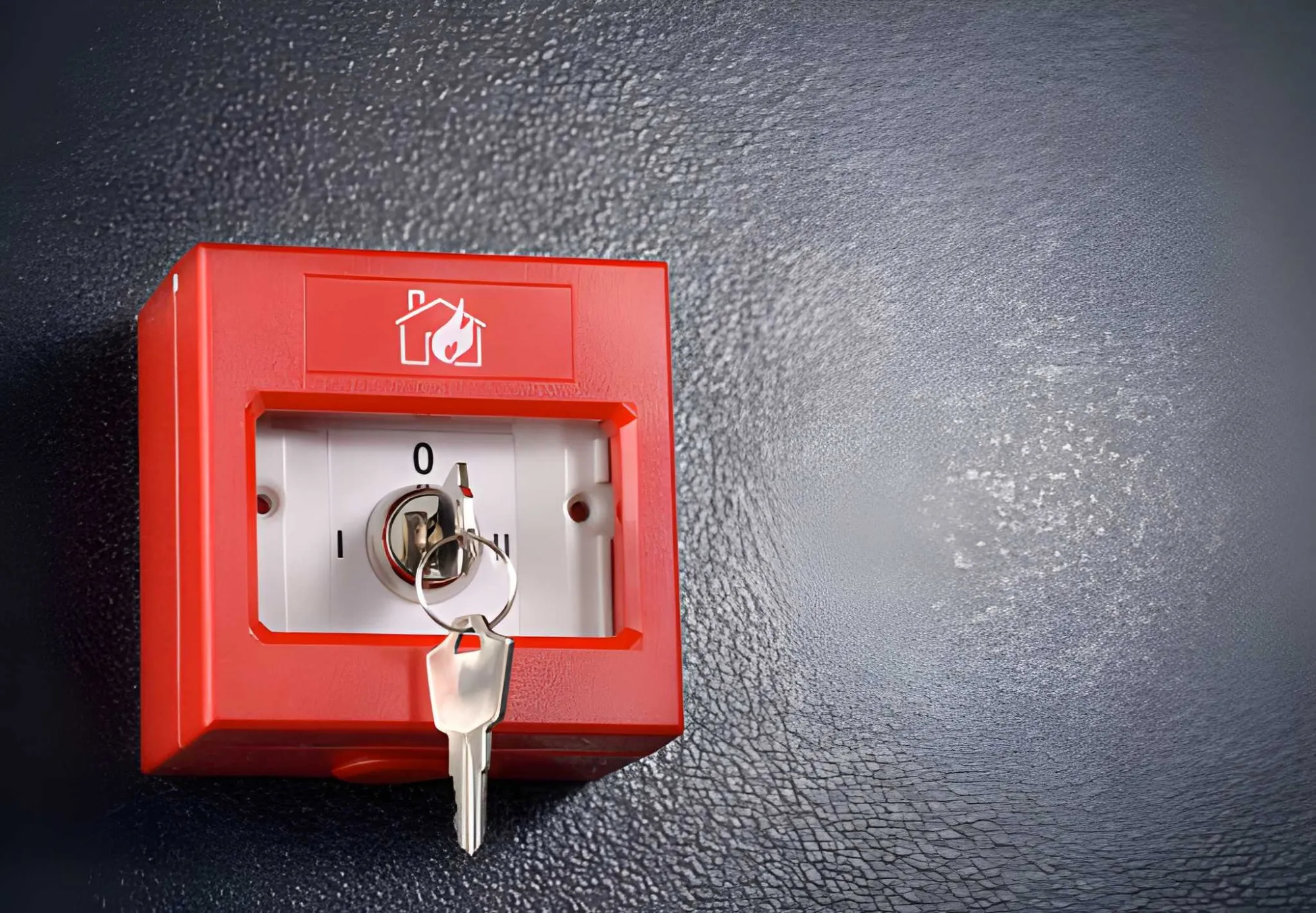
A fire pump key switch box is designed to provide controlled access to specific fire pump controls or related switching functions. The enclosure protects the operating mechanism from accidental contact, unauthorized adjustment, and environmental exposure. Its configuration can vary according to the application, control requirements, and installation environment. Technicians can use the switch during inspection or maintenance when the system design permits operation. Clear labeling and suitable construction are especially valuable because emergency equipment must remain understandable and accessible to trained personnel without creating opportunities for unintended operation.
Supporting Controlled Access
One important benefit is controlled access. Fire pump equipment often operates as part of a critical life safety system, so unrestricted interaction with controls can create avoidable risks. A key operated enclosure can help limit access to trained or authorized personnel while still providing a practical means of reaching required controls. This approach supports accountability during maintenance activities. Building operators can establish procedures for key management, access, and documentation. Such practices keep the switch available when required while reducing accidental interference with fire protection equipment.
Protecting Sensitive Controls
Another advantage involves protection of the switching mechanism. Fire pump rooms can experience dust, moisture, mechanical contact, or other conditions that may affect exposed controls. A suitable enclosure can provide an additional layer of physical protection and help keep the operating area orderly. The level of protection depends on enclosure construction, location, and environmental conditions. During selection, technicians should consider applicable specifications and installation requirements. A suitable box can support longevity by reducing exposure while keeping the control interface visible and usable for authorized personnel.
Improving Accessibility During Maintenance
Accessibility is also important during routine inspection and maintenance. Fire pump systems require regular attention, and technicians may need to operate or observe associated controls while completing approved procedures. A clearly positioned key switch box can make the relevant control easier to locate, especially in equipment rooms containing valves, gauges, controllers, and other components. Proper identification can save time during scheduled work and help reduce confusion. Organizations such as Honeywell often emphasize clear equipment organization in broader fire safety applications, and the same principle can benefit pump room layouts when applied appropriately.
Supporting Consistent Procedures
A key switch box can also support consistent operating procedures. When access to a control follows a defined method, technicians can perform tasks in a predictable sequence and document the activity more effectively. Written procedures can identify who may access the switch, when the key should be used, and what checks should follow operation. This structure can reduce misunderstandings among maintenance teams and building personnel. Consistency becomes particularly valuable when several technicians work on the same property or when a facility changes service providers, because clear controls and records help preserve continuity in fire protection maintenance practices.
Choosing the Right Configuration
Selection should begin with the actual fire pump control arrangement. Not every system uses the same controller, switching method, enclosure requirement, or access configuration. Technicians should review project specifications, equipment compatibility, installation conditions, and applicable requirements before choosing a box. Dimensions, mounting method, material, visibility, key configuration, and environmental suitability can all influence the final selection. The component should complement the existing system rather than create an improvised control arrangement. Careful planning at this stage can prevent unnecessary modifications and help ensure that the installed enclosure performs its intended function throughout routine service.
Considering Installation Requirements
Installation quality has a direct effect on usability and reliability. The enclosure should be mounted securely in a location that authorized personnel can reach without obstruction. Wiring and connections should follow the approved design and applicable electrical requirements, while the surrounding area should remain free from conditions that could damage the equipment. Identification labels should be legible and positioned where they can be recognized quickly. After installation, qualified personnel should verify operation as part of the appropriate inspection or commissioning process. Proper installation helps ensure that the enclosure functions as an intentional part of the fire pump control arrangement.
Maintaining Long Term Reliability
Routine inspection can reveal problems before they interfere with planned maintenance or emergency operation. Personnel can check the enclosure for physical damage, corrosion, loose mounting, unclear labeling, damaged locks, or other visible concerns. The key mechanism should receive attention when the approved maintenance procedure calls for it, and any operational testing should follow the system design. Records should identify the date, personnel, observations, and corrective actions. Regular documentation creates a useful history for facility managers and service technicians. It also makes recurring problems easier to identify and address before they become more significant maintenance concerns.
Evaluating Connected Equipment
Maintenance teams should avoid treating a key switch box as an isolated accessory. Its condition can affect how easily technicians interact with connected controls, but the complete fire pump system must still be evaluated according to its approved inspection and testing requirements. Valves, controllers, power supplies, alarms, gauges, and other related components may require separate attention. A systematic approach helps technicians understand whether a problem is limited to the enclosure or connected to another part of the system. This broader perspective supports accurate troubleshooting and helps prevent minor access issues from being mistaken for larger equipment failures.
Prioritizing Safe Operation
Safety procedures should remain central whenever personnel work around fire pump controls. Only qualified and authorized individuals should perform tasks that could affect system operation. Before changing any control position, technicians should understand the approved procedure and consider how the action may influence alarms, monitoring, or pump operation. Communication with responsible building personnel can help prevent unexpected responses during scheduled work. Appropriate precautions also reduce the chance of leaving a control in an unintended condition. Clear procedures, proper training, and careful verification together create a safer environment for routine inspection and maintenance activities.
Maintaining Proper Documentation
Building managers can improve reliability by keeping documentation for the installed switch box and connected fire pump controls. Product information, installation details, inspection records, key management procedures, and maintenance notes can provide useful references over the equipment life. When repairs or replacements become necessary, accurate records can help technicians identify the existing arrangement and select compatible components. Documentation also supports communication between facility personnel and service contractors. A well maintained record system reduces guesswork and can make future inspection activities more efficient, particularly in buildings where fire protection equipment has been modified over several years.
Supporting Overall Fire Protection Readiness
The value of a key switch box becomes clearer when it is considered as part of a larger maintenance strategy. Controlled access, physical protection, clear identification, dependable installation, and documented inspection can work together to support effective fire pump management. The component does not replace professional testing or required system maintenance, but it can make approved control access more organized. Facilities that combine suitable equipment with trained personnel and consistent procedures are better positioned to maintain dependable fire protection infrastructure. This practical approach supports readiness while helping maintenance teams complete their responsibilities with greater clarity and control.
Conclusion
Reliable fire protection depends on attention to both major equipment and the smaller components that support daily inspection and maintenance. A properly selected and maintained key switch box can provide controlled access, protect a switching mechanism, improve organization, and support consistent procedures around fire pump controls. When its installation and maintenance align with the overall system design, it can contribute to a more orderly service environment. Zonecheck USA supports a practical focus on reliable fire protection equipment and maintenance considerations, helping professionals recognize how thoughtful component selection can contribute to long term system readiness and responsible facility management.

























Sign in to leave a comment.