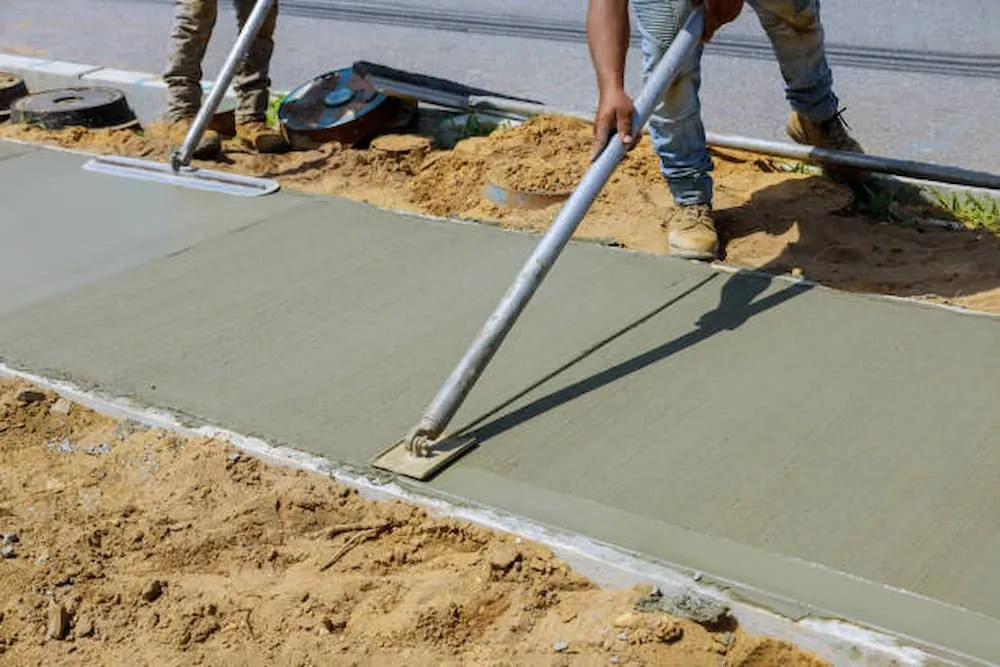

A well-constructed sidewalk improves property accessibility, pedestrian safety, and the overall appearance of residential and commercial spaces. Whether a property owner needs a new walkway, a replacement for damaged concrete, or an accessible path connecting different areas, professional installation makes a significant difference. Choosing a qualified concrete sidewalk contractor helps ensure the project meets practical requirements while delivering a durable and attractive finish. Before hiring a professional, property owners should evaluate experience, materials, drainage planning, safety standards, pricing, and communication to make an informed decision and avoid unnecessary construction expenses.
Experience and Expertise in Sidewalk Installation
Review Previous Sidewalk Projects
Experience is an important consideration when selecting a contractor for sidewalk construction. Different properties present unique challenges, including uneven terrain, restricted access, existing landscaping, and nearby structures. An experienced professional understands how to prepare the site, establish suitable elevations, and create a stable walking surface. Property owners should request photographs of completed projects and ask for references from customers with similar requirements. Reviewing previous work provides useful insight into finishing quality, attention to detail, and the contractor's ability to manage installation challenges while meeting the property's functional and visual expectations.
Confirm Relevant Construction Services
Sidewalk projects may involve more than pouring concrete. Depending on the site, work can include excavation, removal of old pavement, grading, base preparation, reinforcement, joint placement, and connection to existing walkways. Some properties may also require curb transitions, steps, ramps, or coordination with drainage systems. Understanding the different types of concrete cracks can help property owners ask informed questions about crack prevention, joint placement, and installation quality. Before hiring a contractor, confirm that the proposed services cover the full project scope. Understanding these responsibilities helps prevent confusion, unexpected charges, and delays caused by additional subcontractors.
Licensing, Insurance, and Safety Standards
Verify Credentials and Local Requirements
A reliable contractor should understand the construction regulations and permit requirements applicable to the project location. Depending on the jurisdiction, sidewalk work may require municipal approval, inspections, or compliance with accessibility standards. Property owners should verify relevant licenses and credentials where required before signing an agreement. For sidewalks connecting to public streets or shared pathways, local authorities may specify particular dimensions, slopes, and construction details. Confirming these requirements early helps prevent expensive modifications later. A knowledgeable professional should be able to explain the approvals needed and identify any project details that require additional review.
Check Insurance and Site Protection
Concrete installation involves heavy equipment, construction materials, and activities that can affect surrounding areas. Property owners should ask whether the contractor maintains appropriate liability insurance and workers' compensation coverage where applicable. It is also important to discuss how the worksite will be protected during construction. Barriers, warning signs, and safe pedestrian detours may be necessary when sidewalks are located near entrances, parking areas, or public walkways. Clear safety procedures help reduce the risk of accidents and protect nearby property. Reviewing these arrangements before work begins demonstrates responsible planning and establishes expectations for a well-managed project.
Concrete Quality and Installation Techniques
Select Suitable Materials
Concrete sidewalks must withstand regular foot traffic, environmental exposure, and normal ground movement. The appropriate concrete mix depends on local weather conditions, project specifications, and the expected use of the walkway. A qualified contractor should explain the recommended material strength, slab thickness, and reinforcement requirements where applicable. Property owners can learn more about concrete PSI requirements to better understand how concrete strength relates to project specifications. Surface texture is another important consideration because a walkway should provide dependable traction in ordinary conditions. Selecting suitable materials and specifications helps create a sidewalk that performs reliably while maintaining an attractive appearance over time.
Understand Joint Placement and Curing
Control joints help manage the location of cracks that can develop as concrete shrinks during curing and experiences changes in temperature. Proper joint spacing and placement should reflect the sidewalk's dimensions and construction details. Expansion joints may also be needed where the walkway meets certain structures or existing concrete. After installation, concrete requires adequate curing time to develop its intended strength and durability. A professional contractor should explain how curing will be managed and when the sidewalk can safely be used. Following appropriate installation practices helps reduce premature deterioration and supports better long-term performance.
Drainage and Accessibility Considerations
Ensure Proper Grading and Water Management
Water management is essential to sidewalk durability and pedestrian safety. Poor grading can allow water to collect on the surface, create slippery conditions, or contribute to erosion beneath the concrete. A contractor should evaluate the surrounding ground, nearby downspouts, and existing drainage patterns before determining the walkway's elevation. The design should direct water appropriately without creating hazards for pedestrians or neighboring properties. Homeowners can also review how to clean concrete to understand routine cleaning practices that help maintain the sidewalk's appearance and remove accumulated dirt. Careful planning helps protect the sidewalk, preserve adjacent landscaping, and reduce maintenance concerns after construction is complete.
Plan for Safe and Accessible Walkways
A sidewalk should provide a comfortable route for people moving through the property. Depending on its location and intended users, the design may need to consider clear width, surface consistency, cross slope, transitions, and accessible ramp connections. Public or commercial walkways may be subject to specific accessibility regulations. Property owners should discuss these requirements with the contractor before work begins. A smooth, appropriately graded surface with suitable traction can improve usability for pedestrians, wheelchairs, strollers, and delivery personnel. Incorporating accessibility considerations during planning is generally more practical than correcting unsuitable dimensions after the concrete has been installed.
Pricing, Contracts, and Project Timelines
Compare Detailed Estimates
Concrete sidewalk costs depend on walkway dimensions, site conditions, excavation needs, material specifications, finishing options, and the removal of existing pavement. Property owners should request written estimates that explain labor, materials, preparation, cleanup, and additional charges where applicable. Comparing several proposals can help identify differences in project scope and construction methods. For homeowners considering other outdoor concrete improvements, comparing concrete patios versus wood decks can provide additional perspective on material selection and long-term maintenance considerations. The lowest quote may not provide the best overall value if it excludes important preparation work or uses unsuitable specifications. Reviewing each estimate carefully helps property owners understand the expected investment and choose a contractor whose proposal meets the project's requirements.
Establish Clear Agreements and Schedules
Before construction begins, the contractor should provide a written agreement describing the work, payment terms, estimated completion date, and responsibilities of each party. The schedule should account for site preparation, concrete placement, curing, weather conditions, and any necessary inspections. Property owners should also ask how pedestrian access will be maintained while the sidewalk is unavailable. Clear communication about delays and changes can prevent frustration and reduce disruption. A well-defined agreement gives both parties a practical reference throughout the project and helps ensure that expectations remain consistent from the initial consultation to final completion.
Conclusion
Hiring the right sidewalk contractor requires careful attention to experience, material quality, drainage, accessibility, safety, and transparent pricing. Property owners who review credentials, compare detailed estimates, and discuss installation methods can make more confident decisions and reduce the risk of costly repairs. Proper planning and professional workmanship help create a sidewalk that remains safe, functional, and visually appealing. For those considering a new walkway or sidewalk replacement, Crockett & Sons Concrete, Inc. can be considered when evaluating project requirements and exploring options for durable concrete construction and dependable service.




















Sign in to leave a comment.