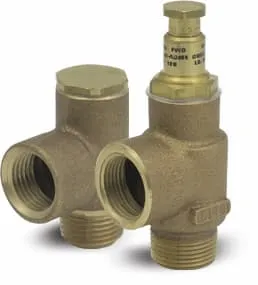

A dependable fire protection system requires more than a properly selected pump and motor. Every supporting component contributes to consistent operation, especially when the system must respond during an emergency. Understanding the role of fire pump parts can help facility managers identify wear, plan maintenance, and address potential performance concerns before they affect system readiness. From seals and bearings to couplings and pressure related components, each part serves a specific purpose. Proper inspection and timely replacement can help maintain dependable operation while supporting the overall performance of a commercial fire protection system.
Understanding the Importance of Fire Pump Parts
Fire pumps operate under demanding conditions and may remain ready for long periods before being called upon during an emergency. Because of this, even relatively small components can influence overall system performance. Worn, damaged, or incorrectly installed parts may contribute to vibration, leakage, pressure issues, or reduced efficiency. Regular attention to individual components allows maintenance teams to identify developing concerns and take corrective action before they become larger problems.
Components That Support Pump Operation
Several components work together to keep a fire pump functioning properly. Bearings support rotating assemblies and help maintain smooth movement, while seals help prevent unwanted leakage around shafts and connections. Couplings transfer power between the driver and pump while maintaining proper alignment. Gaskets and packing materials also help create secure connections and prevent fluid from escaping. Although these components may appear simple, their condition can directly affect reliability and operating stability.
Common Fire Pump Parts That Require Attention
Routine inspections can reveal signs of wear in components that are essential to dependable operation. Some parts experience greater mechanical stress than others because of continuous movement, pressure, temperature changes, or environmental exposure. Maintenance personnel can use inspection findings, manufacturer guidance, and system records to determine whether a component should remain in service or be replaced.
Bearings and Shaft Components
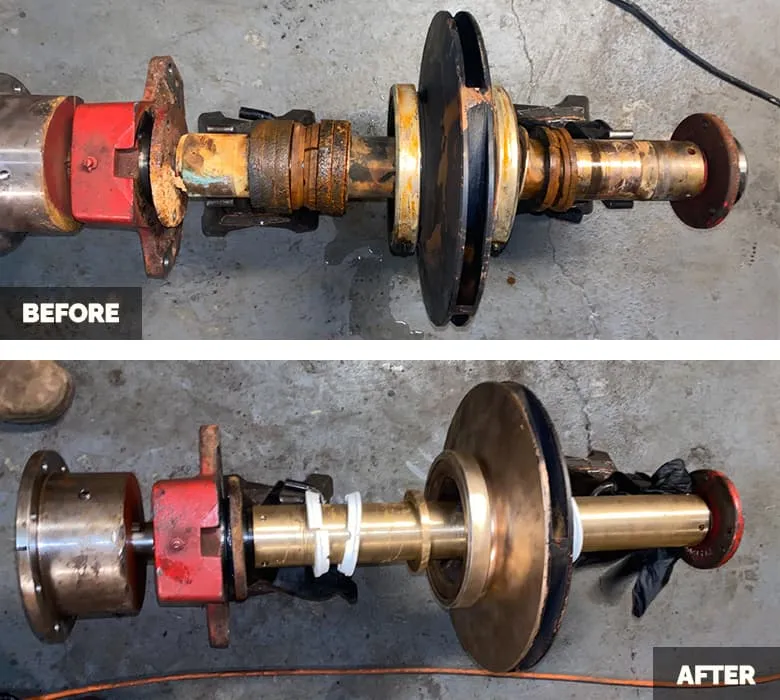
Bearings help support rotating elements and reduce friction during pump operation. Excessive noise, unusual vibration, or increasing operating temperature can indicate that bearings require closer examination. Shaft components also need appropriate alignment and surface condition to support smooth rotation. If these parts become worn, the resulting mechanical issues can place additional stress on other pump components. Regular inspection can therefore help maintain stable operation and reduce the possibility of unexpected equipment problems.
Seals, Gaskets, and Packing
Seals, gaskets, and packing help control leakage at various points within a fire pump assembly. Over time, these materials can deteriorate because of age, operating conditions, pressure, or improper installation. Visible leakage should not be ignored, particularly when it indicates that a sealing component is no longer performing as intended. Replacing worn sealing materials with suitable components can help protect surrounding equipment and maintain the intended operating condition of the pump.
Couplings and Alignment Components
Couplings connect the pump and driver while allowing power to transfer between the two assemblies. Proper alignment is important because misalignment can contribute to vibration, premature wear, and stress on bearings or shafts. During maintenance, technicians may inspect coupling condition, alignment, fastening, and surrounding components. Addressing alignment concerns early can help reduce unnecessary mechanical strain and support smoother operation throughout the equipment's service life.
Why Correct Replacement Parts Matter
Not every replacement component is suitable for every fire pump application. Parts need to match the pump design, dimensions, materials, operating requirements, and applicable specifications. Using an unsuitable component may create installation difficulties or affect system performance. Maintenance teams should therefore verify equipment information before ordering replacements. Pump model details, part numbers, dimensions, and existing component specifications can help ensure that replacement parts are appropriate for the particular assembly.
Supporting Long Term Equipment Reliability
The condition of individual components can influence the longevity of the entire fire pump system. Replacing a worn bearing, seal, coupling component, or gasket at the appropriate time may help prevent additional damage to surrounding equipment. Planned maintenance also gives facility personnel an opportunity to document component condition and establish replacement schedules. This approach can make maintenance more predictable and help reduce the likelihood of unexpected service interruptions.
Maintenance Practices for Fire Pump Components
A structured maintenance program should include regular visual inspections, operational checks, and professional evaluations when necessary. Maintenance personnel can monitor leakage, vibration, unusual sounds, corrosion, temperature changes, and other visible or measurable conditions. Records of inspections and repairs can also provide useful information about recurring issues. When a particular component repeatedly requires attention, a more detailed assessment may help identify an underlying mechanical or operational cause.
Professional Inspection and Service
Some fire pump components require specialized knowledge and equipment for proper evaluation or replacement. Qualified technicians can inspect assemblies, identify worn components, verify alignment, and determine whether repairs are appropriate. Professional service can also help ensure that replacement work is completed according to applicable requirements and equipment specifications. Combining routine facility inspections with qualified technical support provides a more comprehensive approach to maintaining fire pump readiness.
Selecting and Managing Replacement Components
Keeping commonly needed replacement components available can reduce delays when maintenance issues arise. Facility managers may maintain records of pump models, installed components, previous repairs, and commonly replaced items. This information can make future ordering and servicing more efficient. Proper storage is also important because some components can be affected by moisture, temperature, contamination, or prolonged exposure to unsuitable conditions. Organized parts management supports faster maintenance and helps keep essential equipment prepared for service.
A Practical Approach to Fire Pump Reliability
Reliable fire pump performance depends on attention to the complete system rather than a single component. Routine inspections, appropriate replacement parts, accurate installation, and timely professional service can work together to support dependable operation. Facility managers who understand the purpose of individual components are better positioned to recognize warning signs and coordinate necessary maintenance. A proactive approach can also help reduce avoidable downtime and support the long term condition of critical fire protection equipment.
Conclusion
Fire pump components play an important role in maintaining the reliability and readiness of a fire protection system. Bearings, seals, gaskets, couplings, shafts, and other supporting components should receive appropriate inspection and maintenance throughout the equipment's service life. Identifying wear early and selecting compatible replacement components can help protect pump performance and reduce unexpected problems. For facilities seeking dependable support with inspection, replacement, and maintenance needs, Steven Brown & Associates, Inc. can provide knowledgeable assistance focused on keeping fire pump systems operating reliably.
























Sign in to leave a comment.