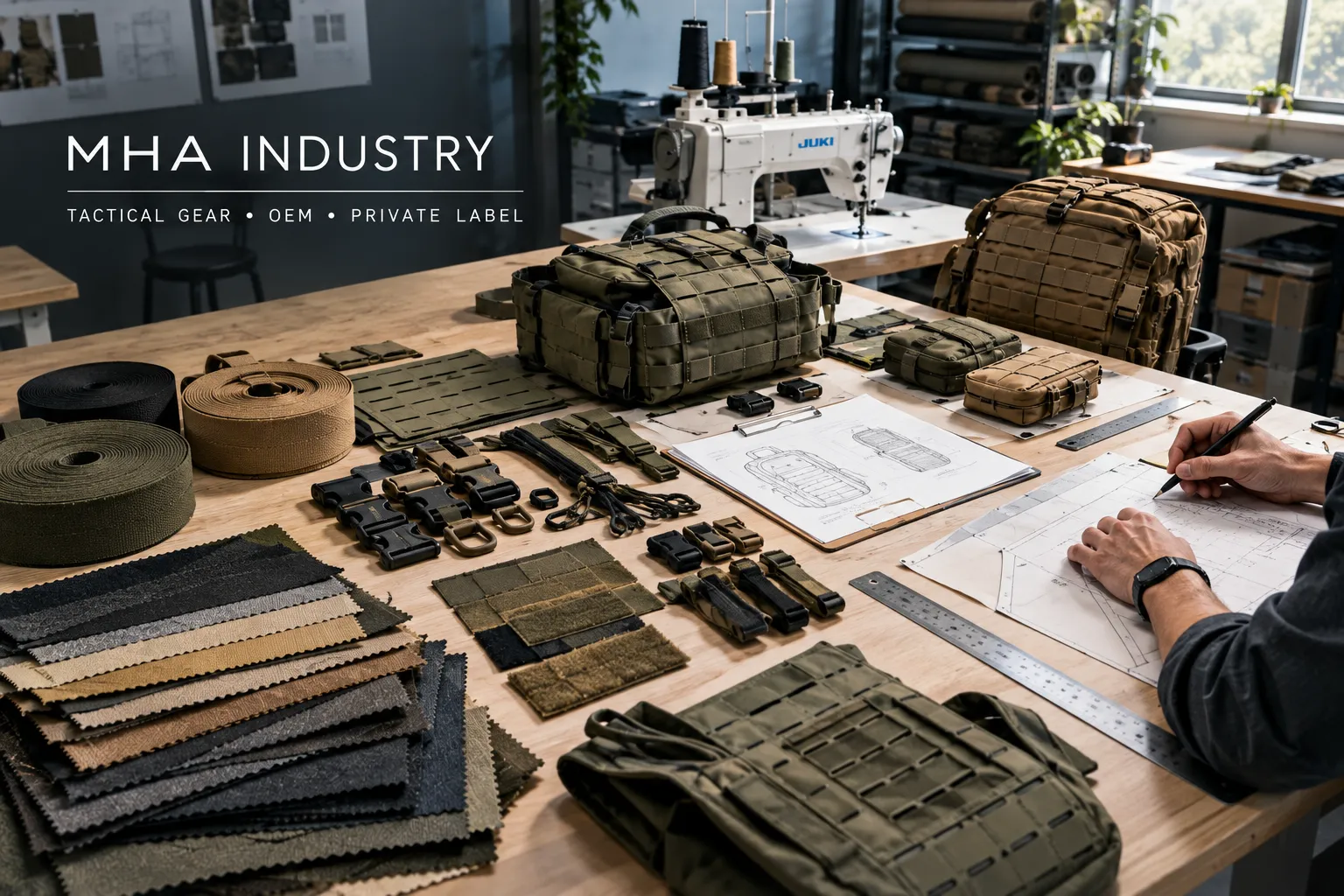

Police and public safety teams operate in environments where equipment needs to support demanding responsibilities without creating unnecessary obstacles. Their gear must accommodate movement, communication, organization, weather conditions, and long working hours. Because individual roles can differ significantly, selecting appropriate equipment requires more than choosing products based on appearance. Agencies need to evaluate how each item fits into actual working routines.
Start With the Role of the User
Different public safety responsibilities create different equipment requirements. Patrol personnel may need convenient access to commonly used items, while specialized teams can have substantially different needs. Supervisors, transportation personnel, emergency responders, and other professionals may also require specific configurations.
Before purchasing, agencies can identify the tasks equipment needs to support. This includes considering how often personnel move, whether they work indoors or outdoors, what other equipment they carry, and how frequently items need to be accessed.
Understanding these requirements first helps prevent unnecessary purchases and encourages a more organized procurement process.
Fit and Mobility Matter
Equipment worn for several hours needs to allow reasonable freedom of movement. Poorly fitted items can create discomfort, interfere with clothing, or make routine movements more difficult.
Adjustability is therefore an important feature. Straps, closures, waist systems, and other components should allow users to achieve an appropriate fit. Agencies purchasing equipment for multiple personnel should also consider whether the product is available in enough sizes to accommodate different body types.
Weight distribution deserves attention as well. Equipment should be organized so that frequently carried items do not create unnecessary pressure in one area.
Durability for Repeated Use
Public safety equipment can experience substantial daily wear. Personnel may enter and exit vehicles, walk long distances, work outdoors, and repeatedly adjust or remove their gear. Materials and construction should therefore be appropriate for the expected level of use.
Stitching, attachment points, fasteners, and other stress areas deserve particular attention. Strong construction can reduce premature wear and help organizations manage replacement costs.
Maintenance is equally important. Agencies should understand how equipment should be cleaned, stored, inspected, and repaired. Clear manufacturer instructions can help extend useful service life and support consistent maintenance across a team.
Organization and Accessibility
Efficient organization can save time during demanding situations. Equipment should allow personnel to carry necessary items in a logical arrangement without creating excessive bulk.
Storage options vary widely. Some products provide fixed compartments, while others use modular attachment systems that allow configurations to change. The appropriate approach depends on the user's responsibilities.
Accessibility should also be considered. Items used frequently should be positioned where they can be reached efficiently, while less frequently required equipment can occupy other areas.
When agencies evaluate Police & Law Enforcement Gear, they should consider the entire equipment setup rather than evaluating individual products in isolation. A new item should work effectively alongside existing clothing, communication systems, protective equipment, and other accessories.
Communication and Technology
Modern public safety work increasingly involves technology. Radios, body-worn devices, electronic tools, and other communication equipment may need to be carried securely while remaining accessible.
Equipment designers must account for these additions. Attachment systems and storage areas can help users organize devices without interfering with movement.
Technology also affects procurement. Agencies may need to consider compatibility between existing systems and newly purchased equipment. Reviewing dimensions, attachment methods, and operational requirements before ordering can prevent unnecessary problems.
Weather and Working Conditions
Outdoor personnel may encounter heat, rain, cold temperatures, dust, and changing weather throughout a shift. Equipment should therefore be evaluated according to the conditions in which it will be used.
Breathable materials may improve comfort in warmer environments, while construction suitable for wet conditions can help protect equipment from environmental exposure. Agencies should examine manufacturer specifications rather than assuming that every product is designed for every climate.
Storage also matters. Equipment that is frequently exposed to moisture should be dried and maintained according to appropriate care instructions.
Procurement and Standardization
Large agencies often need standardized equipment so personnel can work with familiar configurations. Standardization can simplify training, replacement, inventory management, and maintenance.
However, standardization should not prevent agencies from addressing legitimate differences between roles. A balanced procurement strategy can establish common requirements while allowing specialized teams to use equipment suited to their particular responsibilities.
Budgeting should include the total cost of ownership. Purchase price is only one factor; shipping, maintenance, replacement, accessories, and expected service life can influence the long-term expense.
Making Equipment Decisions Carefully
Selecting public safety equipment requires a practical evaluation of fit, durability, organization, compatibility, environmental conditions, and procurement requirements. Agencies can strengthen their purchasing process by involving actual users, reviewing specifications, testing suitable products where possible, and documenting requirements before placing larger orders.
The most useful equipment is equipment that supports the work without creating unnecessary complications. By examining how products fit into daily routines and broader equipment systems, police and public safety organizations can make more informed purchasing decisions while maintaining consistency and practical usability across their teams.



























Sign in to leave a comment.