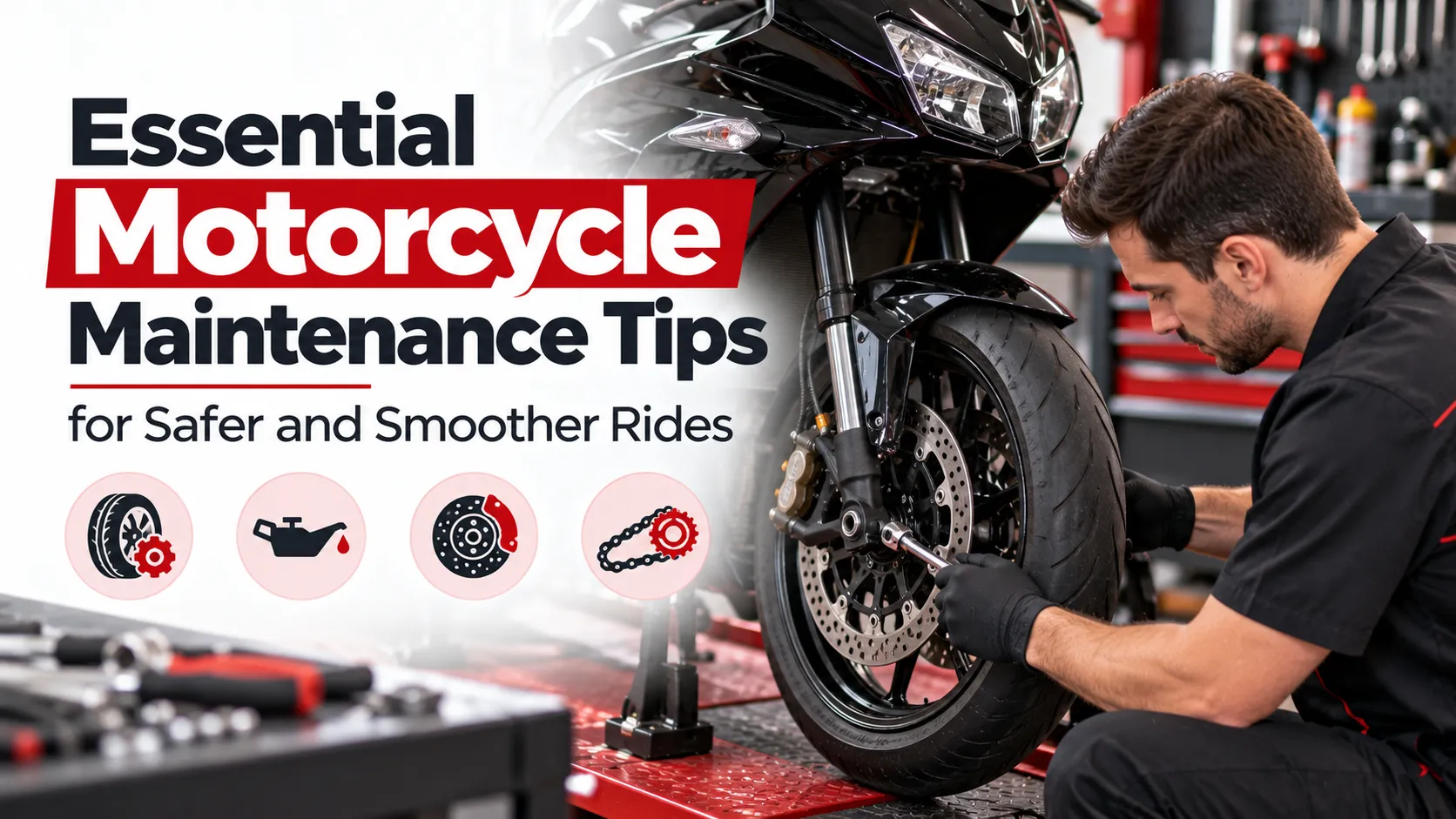

Motorcycles offer a practical and enjoyable way to travel, whether commuting to work, running errands or heading out for a weekend ride. However, keeping a motorcycle in good condition requires regular maintenance and attention to the components that affect performance, handling and safety.
Unlike cars, motorcycles rely on just two tyres for stability, braking and grip. Small issues involving tyre pressure, tread condition, brakes or chain tension can affect how a bike responds on the road. Developing a consistent maintenance routine can help riders identify potential problems early, reduce avoidable wear and enjoy greater confidence during everyday journeys.
Understanding the basics of motorcycle care is useful for both new riders and experienced motorcyclists. While some checks can be completed at home, certain maintenance tasks require specialised tools and professional knowledge.
Why Regular Motorcycle Maintenance Matters
Routine maintenance helps keep a motorcycle operating as intended. Components gradually wear through normal use, while weather, road surfaces and riding habits can influence how quickly this happens.
For example, frequent riding on rough roads may accelerate tyre wear, while long periods without use can affect battery condition. Incorrect tyre pressure can also influence handling, braking performance and tyre life.
Following the manufacturer's recommended service schedule is one of the simplest ways to manage these risks. The owner's manual usually provides guidance on inspection intervals, recommended fluids, chain adjustment and replacement requirements.
Regular maintenance can also help identify developing faults before they become more expensive to address. A worn chain, leaking fork seal or damaged tyre may initially appear minor but can affect reliability and safety if ignored.
Check Tyre Pressure and Condition Before Riding
Tyres are among the most important components on any motorcycle. They provide the contact between the bike and the road, influencing traction, cornering stability and braking.
Riders should check tyre pressure according to the manufacturer's recommendations, ideally when the tyres are cold. Do not rely solely on visual inspection, as a tyre can appear adequately inflated while still being below the recommended pressure.
It is also important to inspect both tyres for signs of damage and excessive wear.
Look for:
- Cuts, cracks or bulges in the tyre sidewalls.
- Nails, screws or other embedded objects.
- Uneven tread wear or areas where the tread is approaching its legal limit.
- Visible damage following contact with potholes or road debris.
- Persistent pressure loss that may indicate a puncture or valve problem.
The correct pressure depends on the motorcycle and its load, so use the manufacturer's specifications rather than a generic recommendation.
If a tyre is damaged, worn beyond the permitted limit or losing pressure repeatedly, have it assessed before continuing to ride. Motorcycle tyres should be replaced when necessary rather than relying on temporary fixes that may not be suitable for the damage.
Understand the Importance of Wheel and Brake Inspections
Tyres work together with the wheels and braking system to help a motorcycle respond safely. Problems with any of these components can affect control, particularly during emergency braking or cornering.
Check that the wheels appear undamaged and that there are no obvious signs of loose components. If you notice unusual vibration, wobbling or a change in handling, arrange a professional inspection.
Brake checks are equally important. Pay attention to unusual noises, reduced braking response, excessive lever travel or changes in pedal feel. Inspect brake fluid levels where the owner's manual permits, and follow the recommended service intervals for brake fluid and components.
Brake pads, discs and other parts should be checked and replaced according to their condition and the manufacturer's specifications.
Do not ignore warning signs simply because the motorcycle still appears to operate normally. If braking performance is compromised, avoid riding until the issue has been assessed and addressed.
Maintain the Motorcycle Chain and Drivetrain
Motorcycles with chain final drives require regular chain inspection, cleaning, lubrication and adjustment. A chain that is too loose may create excessive movement, while one that is too tight can place additional stress on drivetrain components.
Check chain slack using the procedure and measurement specified by the manufacturer. The correct adjustment can vary between motorcycle models, so avoid applying a universal measurement.
Cleaning and lubrication help reduce wear caused by friction and contamination. Use products suitable for the chain type and follow the manufacturer's instructions.
It is also worth inspecting the sprockets for worn or damaged teeth. If the chain has tight spots, excessive corrosion or signs of significant wear, professional assessment may be necessary.
Riders with belt-driven or shaft-driven motorcycles should follow the appropriate inspection and maintenance requirements for their particular drivetrain rather than applying chain-specific procedures.
Monitor Engine Oil and Other Fluids
Engine oil lubricates moving components and helps manage heat within the engine. Using the correct oil and maintaining the appropriate level are essential parts of routine motorcycle care.
Check the oil according to the method described in the owner's manual, as different motorcycles use different procedures. Some require the bike to be upright, while others have specific instructions for checking the level after the engine has been warmed up.
Follow the recommended oil and filter replacement intervals. If you notice an unexplained drop in oil level, visible leaks or unusual engine noises, arrange an inspection.
Depending on the motorcycle, other fluids may also require attention, including coolant and brake fluid. Use the correct specifications and avoid opening pressurised cooling systems while hot.
Regular fluid checks can help identify leaks or developing problems before they cause more serious mechanical issues.
Keep the Battery and Electrical System in Good Condition
A reliable electrical system is important for starting, lighting and the operation of many modern motorcycle features.
Check that the headlight, brake light, indicators and horn are functioning correctly. Make sure the battery terminals are secure and free from excessive corrosion, following the manufacturer's safety instructions.
Motorcycles that are used infrequently may experience battery discharge, particularly when electronic accessories draw power while the bike is parked. A suitable battery maintainer may help when recommended for the battery type.
If the motorcycle struggles to start, the lights behave inconsistently or the battery repeatedly loses charge, the problem may involve the battery, charging system or electrical connections.
A professional diagnosis can help identify the underlying cause instead of relying on repeated battery replacements.
Prepare Your Motorcycle for Changing Road Conditions
Road conditions can vary significantly across Melbourne's western suburbs and surrounding areas. Riders may encounter industrial traffic, uneven surfaces, roadworks, loose gravel and sudden changes in traffic flow.
These conditions make defensive riding and routine checks particularly important.
Before a ride, consider the following precautions:
- Check tyre pressure and visible tyre condition.
- Confirm that the brakes and lights are working correctly.
- Adjust mirrors before entering traffic.
- Secure luggage so it cannot shift while riding.
- Allow additional stopping distance on wet or slippery roads.
- Watch for potholes, loose material and vehicles entering from driveways or industrial access roads.
After travelling over a significant pothole or striking road debris, check for obvious tyre or wheel damage when it is safe to stop. Unusual vibration or a sudden change in handling should be investigated before the next ride.
Know When to Seek Professional Motorcycle Servicing
Basic inspections can help riders stay aware of their motorcycle's condition, but not every maintenance task is suitable for a home workshop. Tyre fitting, wheel balancing, brake repairs, suspension work and complex mechanical diagnostics may require specialised equipment and technical expertise.
Professional servicing is particularly valuable when a motorcycle develops recurring problems, displays warning lights or shows signs of abnormal wear.
When choosing a service provider, consider its experience with your motorcycle type, the services offered, the clarity of its estimates and whether it explains the work required before proceeding.
Riders researching a motorcycle service in Derrimut can consider local providers such as two wheel tyre works when comparing available services. Confirm that the workshop can handle your motorcycle's specific requirements and ask about the recommended maintenance or repair work before booking.
A clear explanation of the service, any replacement parts and the expected costs can help you make an informed decision.
Follow a Consistent Maintenance Schedule
One of the most effective ways to maintain a motorcycle is to combine regular inspections with scheduled professional servicing.
A simple routine can include checking tyres, lights and visible leaks before riding, inspecting the chain where applicable and monitoring fluid levels according to the owner's manual. More detailed inspections should be completed at the specified service intervals.
Keep a record of completed servicing, replacement parts and any recurring issues. These records can help track maintenance requirements and provide useful information if a fault develops later.
It is also important to use suitable replacement parts and follow the manufacturer's maintenance specifications. Skipping scheduled servicing or delaying necessary repairs may increase the risk of breakdowns and premature component wear.
Build Better Riding Habits Through Preventive Care
Motorcycle maintenance is not just about keeping a bike looking clean. It involves protecting the components responsible for reliable operation, predictable handling and safe braking.
By checking tyres regularly, maintaining the drivetrain, monitoring fluids and responding promptly to unusual behaviour, riders can identify potential problems before they become more serious. Professional inspections provide additional support for maintenance tasks that require specialist knowledge or equipment.
A consistent approach to motorcycle care helps riders make better decisions about servicing, manage maintenance expenses and prepare for different road conditions. Combined with appropriate protective gear, responsible riding and attention to traffic conditions, preventive maintenance can contribute to a safer and more dependable riding experience.























Sign in to leave a comment.