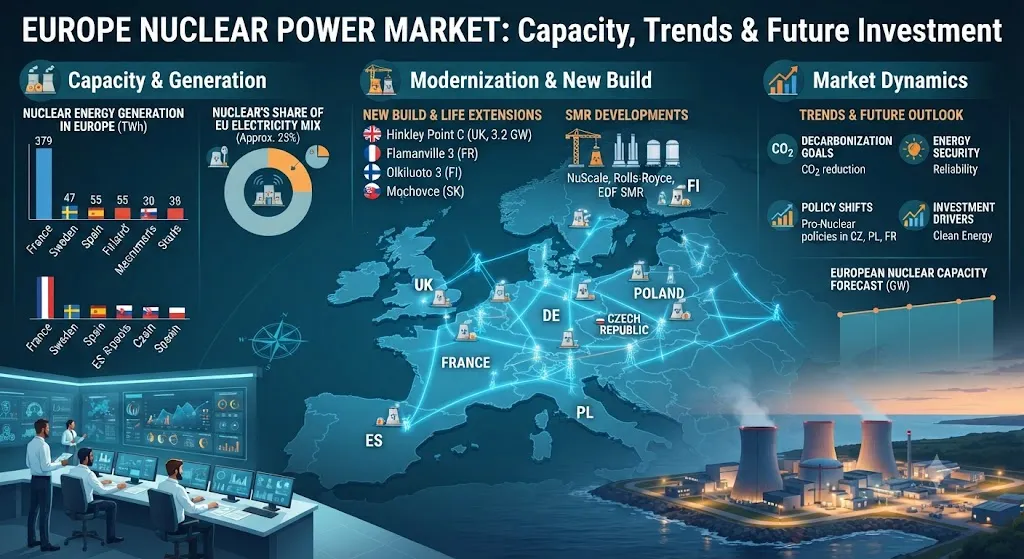

Europe Nuclear Power Market: The Role of Nuclear Energy in a Flexible Power System
The Europe Nuclear Power Market is entering a phase in which technology, policy, and system design are becoming increasingly interconnected. Nuclear generation is no longer considered only in terms of individual reactors; stakeholders are assessing how nuclear assets can operate within electricity systems dominated by diverse renewable resources, storage technologies, interconnectors, and changing demand patterns. This broader perspective is creating new questions and opportunities.
System reliability is a major consideration. Electricity demand is expected to rise as transport, heating, industrial processes, and digital infrastructure become more electrified. Renewable resources can provide large volumes of low carbon power, but their variable output creates periods when additional dependable generation is valuable. Nuclear facilities can help supply continuous electricity during these periods.
Operational flexibility is also gaining attention. Traditional nuclear plants are generally optimized for sustained output, yet some modern power systems may require greater coordination between nuclear generation and variable renewables. Improved forecasting, grid management, and market design can help determine how nuclear assets contribute while maintaining safe and efficient operations.
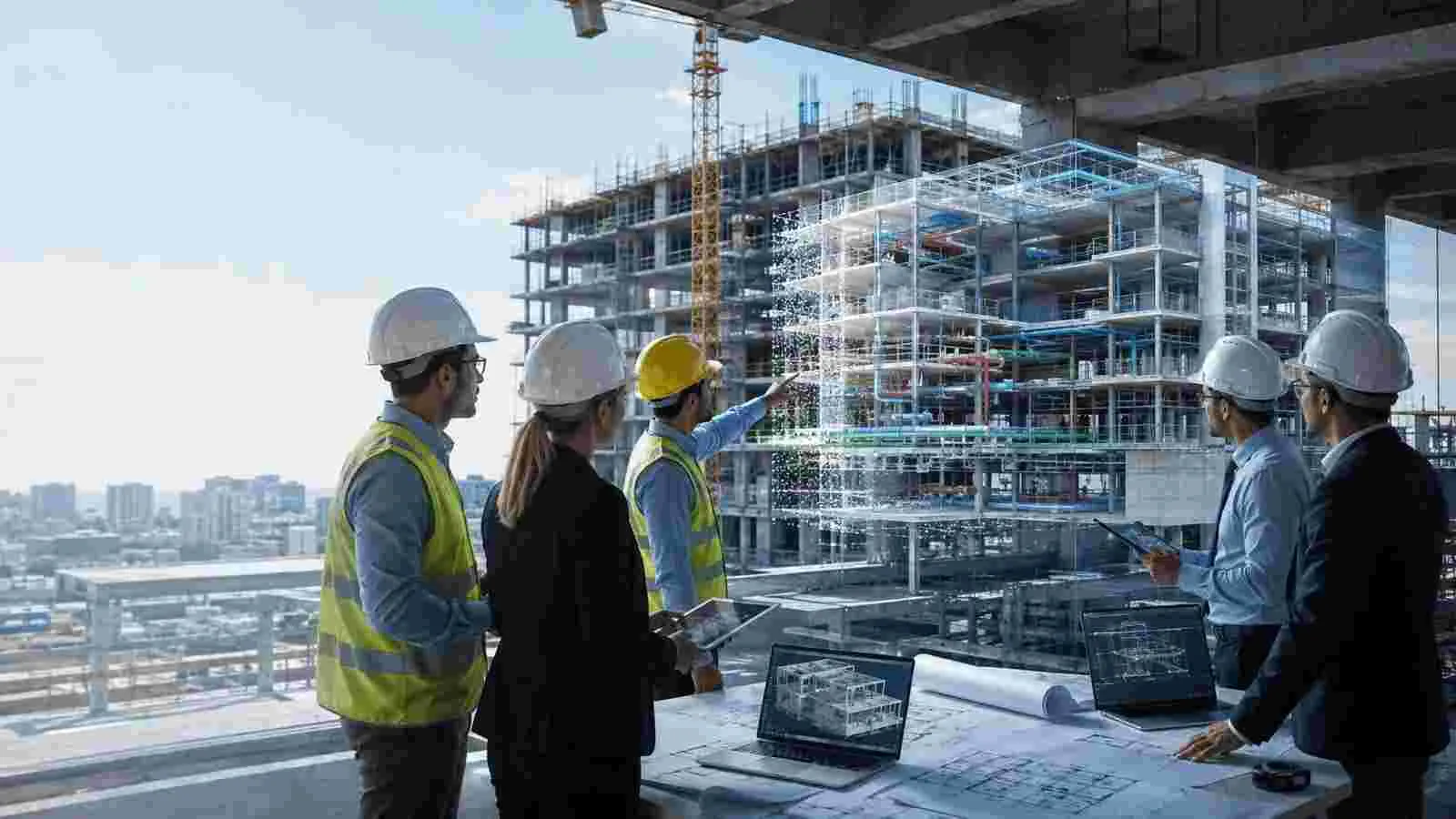
Existing fleets can benefit from advanced monitoring and maintenance technologies. Digital twins, predictive analytics, automated inspection, and improved sensor systems can help identify equipment degradation and optimize maintenance schedules. These tools can potentially reduce unplanned outages and improve asset utilization. They also create opportunities for software developers and specialized engineering firms.
Fuel security remains another important issue. Nuclear operators require dependable fuel supply chains, and disruptions in upstream activities can affect long term planning. Diversified procurement, regional capabilities, and investments in fuel cycle infrastructure can strengthen resilience. This dimension is increasingly relevant to energy strategies focused on reducing external vulnerabilities.
Emerging reactor technologies may expand the market's application range. Small modular reactors could potentially serve smaller grids or industrial users, while advanced designs may target improved efficiency, safety characteristics, or fuel utilization. Some concepts are being considered for applications such as process heat and hydrogen production. Commercial deployment will nevertheless depend on licensing, economics, manufacturing, and successful demonstration.
The Europe Nuclear Power Market Trends perspective illustrates why market development should be assessed across multiple layers. Trends in generation capacity interact with investment, regulation, technology, supply chains, and electricity demand. A change in one area can create consequences throughout the wider ecosystem.
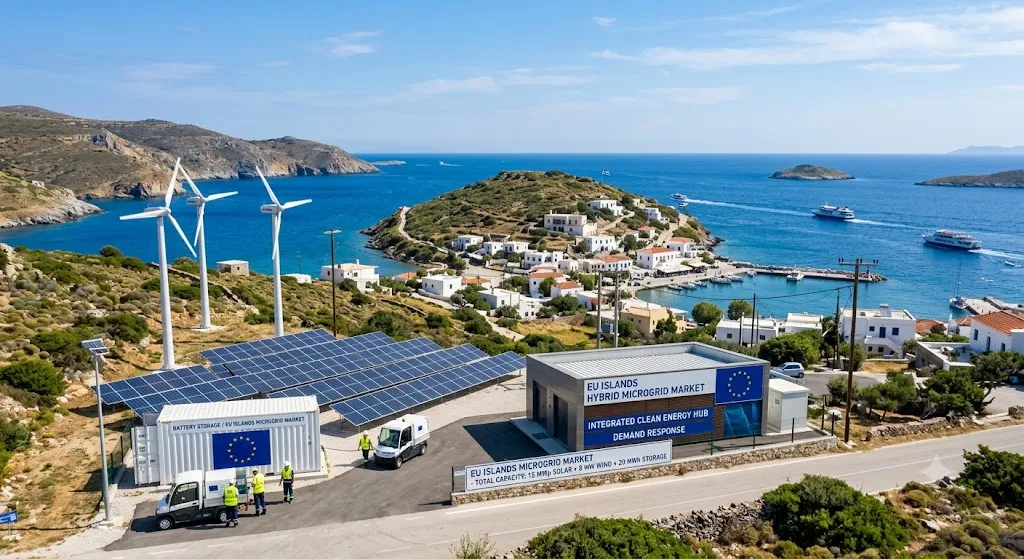
Grid investment will remain essential. Nuclear facilities require reliable transmission connections, while expanding renewable capacity may require additional network reinforcement. Interconnection between countries can improve resource sharing and reduce system stress. Storage and demand response can further complement nuclear and renewable generation by balancing short term variations.
Decommissioning should also be considered when evaluating long term market opportunities. As older plants retire, specialized companies will be needed for dismantling, radioactive material management, site remediation, waste treatment, and project oversight. These services represent a substantial lifecycle segment even when reactor construction slows.
For investors and suppliers, the European nuclear landscape therefore offers a diversified opportunity set. Value can emerge from new generation, life extension, digitalization, fuel security, grid integration, decommissioning, and professional services. Companies that understand how these segments interact can develop more resilient strategies.
Ultimately, nuclear power can occupy a complementary role within Europe's changing energy system. Its contribution will depend on reliable operations, responsible investment, strong regulation, and effective integration with other technologies. The market's evolution will be shaped by how successfully stakeholders connect these priorities. Investment opportunities may also arise from research partnerships and specialized testing facilities. These activities can accelerate technology validation, improve component reliability, and create pathways for smaller companies to enter the nuclear supply chain. Over time, stronger innovation networks could support European competitiveness in established and emerging reactor technologies. Strong quality systems remain essential.






















Sign in to leave a comment.