

Hair thinning can develop through multiple factors, making modern restoration approaches increasingly focused on supporting the scalp environment and existing follicles. Exosomes for hair loss have gained attention as a regenerative approach because exosomes contain signaling molecules that may influence cellular communication. Their potential role in hair management is being explored in modern aesthetic and regenerative practices. Treatment suitability depends on the individual's hair condition, scalp health, and restoration goals. Professional assessment remains important before considering any exosome based procedure, particularly because individual responses and available evidence can vary.
Exploring Hair Loss Causes
Hair loss can result from genetic factors, hormonal changes, aging, nutritional issues, stress, scalp conditions, or other underlying influences. Understanding the likely cause is important before selecting a treatment because different forms of hair loss may require different management strategies. Specialists assess the distribution and progression of thinning to determine whether existing follicles remain active. Reviewing medical and treatment history can provide additional context. A personalized assessment helps establish whether regenerative approaches may have a role and whether additional evaluation is appropriate before treatment begins.
Understanding Hair Follicle Activity
Hair follicles naturally move through growth, transition, and resting phases throughout the hair cycle. When follicles become weaker, the resulting hair strands may gradually become finer and less visible. Supporting the environment around existing follicles is therefore an important focus of some regenerative approaches. Exosome based treatments are being studied for their potential influence on cellular signaling and tissue processes. However, follicular condition differs between individuals. Professional evaluation helps determine whether the follicles may still have potential for improvement through supportive treatment approaches.
Assessing Scalp Condition
A healthy scalp environment can provide an important foundation for hair management. Dryness, excessive oil production, inflammation, irritation, or other scalp concerns may affect overall comfort and hair quality. Specialists examine the scalp before treatment to identify visible concerns that may require attention. Understanding scalp condition helps determine whether regenerative treatment is appropriate or whether another approach should be considered first. Addressing scalp health can also support broader hair management goals. A complete assessment therefore considers both the follicles and the surrounding skin rather than focusing only on visible thinning.
Understanding Exosome Composition
Exosomes are small extracellular vesicles involved in communication between cells. They can contain proteins, lipids, nucleic acids, and other biological signaling components. Researchers have been investigating their potential applications in tissue regeneration and hair related processes. The proposed interest in hair restoration relates to how these signaling components may interact with cells surrounding hair follicles. The composition of exosome preparations can vary depending on their source and processing methods. Understanding these differences is important when discussing potential applications, treatment expectations, and the need for appropriate professional oversight.
Exploring Regenerative Potential
Regenerative hair approaches aim to support the biological environment surrounding existing follicles rather than physically replacing lost hair. Exosome based treatments are being investigated for their potential role in cellular communication and tissue support. Research continues to examine how these biological signals may affect follicular activity and scalp conditions. Individual outcomes may differ because hair loss causes, follicle conditions, and treatment protocols are not identical. Patients should therefore understand that regenerative approaches may have potential but are not guaranteed to produce the same response for every individual.
Considering Treatment Assessment
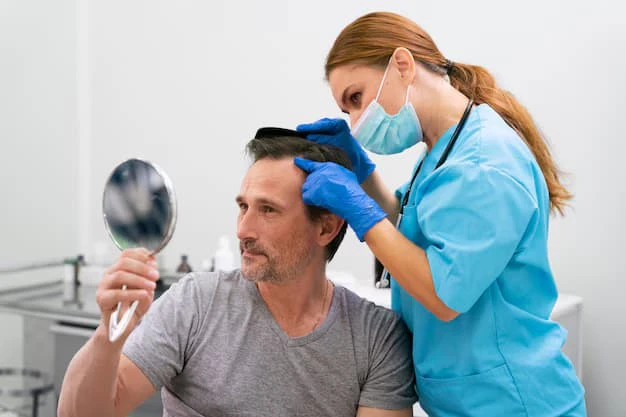
A consultation before regenerative treatment helps establish whether the approach is suitable for the individual's condition. Specialists may examine hair density, scalp health, shedding patterns, follicle characteristics, and previous treatments. The assessment can also identify whether another underlying issue should be addressed first. Treatment goals are discussed so expectations remain realistic. A personalized plan may consider whether regenerative therapy should be used alone or alongside other hair management strategies. Careful evaluation helps reduce unnecessary treatment and ensures that decisions are based on the patient's specific circumstances.
Understanding Treatment Preparation
Preparation requirements may vary according to the treatment protocol and individual scalp condition. Specialists may provide instructions concerning scalp cleansing, skincare products, medications, or other activities before treatment. Patients should provide accurate information about previous procedures and products used on the scalp. This information can help professionals determine whether any preparation changes are appropriate. Following instructions carefully can support a more organized treatment experience. Preparation also provides an opportunity to address questions about the procedure, expected recovery, and realistic timelines before the treatment takes place.
Exploring Application Methods
Exosome based hair treatments may involve applying a prepared formulation to selected scalp areas using a method determined by the treatment protocol. The application approach can vary depending on the specific preparation and professional practice. Targeted delivery is intended to place the biological material in areas where follicular support is desired. Treatment parameters should be selected according to the individual's condition rather than applying a uniform approach. Understanding the application process helps patients recognize that regenerative treatment involves careful planning and professional handling rather than a simple cosmetic product application.
Considering Combination Approaches
Regenerative treatments may sometimes be discussed alongside other hair management methods depending on the patient's condition and goals. A combined approach can address different aspects of hair loss, such as supporting existing follicles while managing continued thinning. However, combining procedures should be based on professional assessment rather than automatically adding multiple treatments. Specialists consider treatment timing, scalp condition, potential interactions, and recovery requirements. A structured plan can help ensure that each treatment serves a clear purpose. Individual circumstances ultimately determine whether combination therapy is appropriate.
Managing Treatment Expectations
Expectations should remain realistic because regenerative hair treatments may produce different responses among individuals. Factors such as the cause of hair loss, follicle condition, age, scalp health, and treatment protocol can influence outcomes. Visible improvement may also require time because hair follicles follow natural growth cycles. Some individuals may notice gradual changes, while others may experience limited improvement. Specialists can discuss potential benefits and limitations before treatment. Clear communication helps patients understand that regenerative approaches are intended to support hair management rather than guarantee a specific density or growth pattern.
Understanding Recovery
Recovery after an exosome based scalp treatment can depend on the application method and individual response. Temporary redness, sensitivity, mild swelling, or localized discomfort may occur in some cases. Patients may receive specific instructions concerning scalp cleansing, exercise, sun exposure, or product use during the early period. Following professional guidance can help reduce unnecessary irritation. Recovery requirements should be explained before treatment so patients understand what changes may be expected. Any unusual or persistent symptoms should be discussed with the treating professional rather than managed independently.
Monitoring Hair Changes
Hair growth develops gradually, making regular monitoring useful after regenerative treatment. Specialists may assess changes in shedding, density, strand thickness, and scalp condition during follow up appointments. Photographs can sometimes help identify gradual differences that are difficult to recognize through daily observation. Monitoring also provides an opportunity to adjust the treatment plan if the response differs from expectations. Since hair cycles vary between individuals, evaluation should consider longer term development rather than focusing only on immediate changes. Structured follow up supports a more informed assessment of treatment progress.
Supporting Scalp Health
Maintaining scalp health can complement professional hair restoration procedures. Gentle cleansing, appropriate moisturization, and avoiding unnecessary irritation can support a balanced scalp environment. Patients may also benefit from identifying habits or products that contribute to dryness or inflammation. Professional recommendations should guide any changes to the scalp care routine, particularly following a procedure. Healthy scalp care does not replace treatment but can provide supportive conditions for existing follicles. A consistent routine may also help individuals recognize changes in scalp condition earlier and seek appropriate guidance when concerns develop.
Protecting Existing Hair
Regenerative treatment generally focuses on supporting existing follicles, making preservation of current hair an important consideration. Continued thinning may occur if the underlying cause of hair loss remains active. Specialists can discuss maintenance strategies based on the individual's pattern and future risk of progression. Protecting existing hair may involve appropriate medical management, scalp care, or other professionally recommended approaches. Long term planning helps maintain balance between current density and future changes. Addressing ongoing hair loss can be particularly important when thinning is progressive rather than temporary.
Considering Long Term Management
Hair restoration requires a long term perspective because follicular activity and hair loss patterns can change over time. A regenerative procedure may form one part of an ongoing management plan rather than being considered a permanent solution by itself. Regular assessment allows specialists to monitor hair condition and determine whether additional treatment may be appropriate. Maintenance approaches can be adjusted according to changes in density and shedding. Understanding long term management helps patients remain prepared for future changes while focusing on preservation and realistic restoration goals.
Reviewing Current Evidence
Interest in exosome based hair treatments has increased because of their potential regenerative applications, but research is still developing. Studies continue to examine mechanisms, treatment protocols, safety considerations, and clinical outcomes. Results from research may not always translate directly to every commercially available preparation or individual treatment setting. Patients should therefore consider the source, processing, professional oversight, and available evidence when evaluating an exosome based procedure. Discussing these factors with a qualified professional can help individuals understand both the potential and the current limitations of regenerative hair approaches.
Evaluating Individual Suitability
Not every person experiencing hair loss will necessarily be suitable for an exosome based approach. The cause of hair loss, scalp condition, follicle activity, previous treatments, and overall goals all influence treatment decisions. A professional assessment can identify whether regenerative treatment is reasonable or whether another approach may better address the underlying concern. In some cases, additional investigation may be appropriate before proceeding. Individualized evaluation reduces unnecessary treatment and supports a more informed approach. Suitability should therefore be determined through professional assessment rather than generalized claims about regenerative therapy.
Setting Realistic Expectations
Realistic expectations remain important because hair restoration results can vary considerably between individuals. Regenerative approaches may be intended to support existing follicles, but they cannot necessarily recreate follicles that are no longer present. The degree of improvement can depend on follicular condition and the underlying cause of thinning. Patients should understand that visible changes may take time and that multiple treatment sessions may sometimes be considered. Clear communication about potential benefits, limitations, recovery, and long term management allows individuals to make informed decisions about their hair restoration options.
Conclusion
Exosome based hair restoration represents an emerging area of regenerative treatment that focuses on biological signaling and support for existing follicles. Careful assessment, appropriate treatment preparation, professional application, and structured monitoring are important throughout the process. Research continues to examine the effectiveness, protocols, and long term applications of these approaches, so expectations should remain realistic. Individual suitability depends on hair loss causes, scalp health, follicle activity, and treatment goals. Este Medical Group can provide professional guidance for individuals exploring modern regenerative hair restoration options and seeking an approach suited to their specific circumstances.




















Sign in to leave a comment.