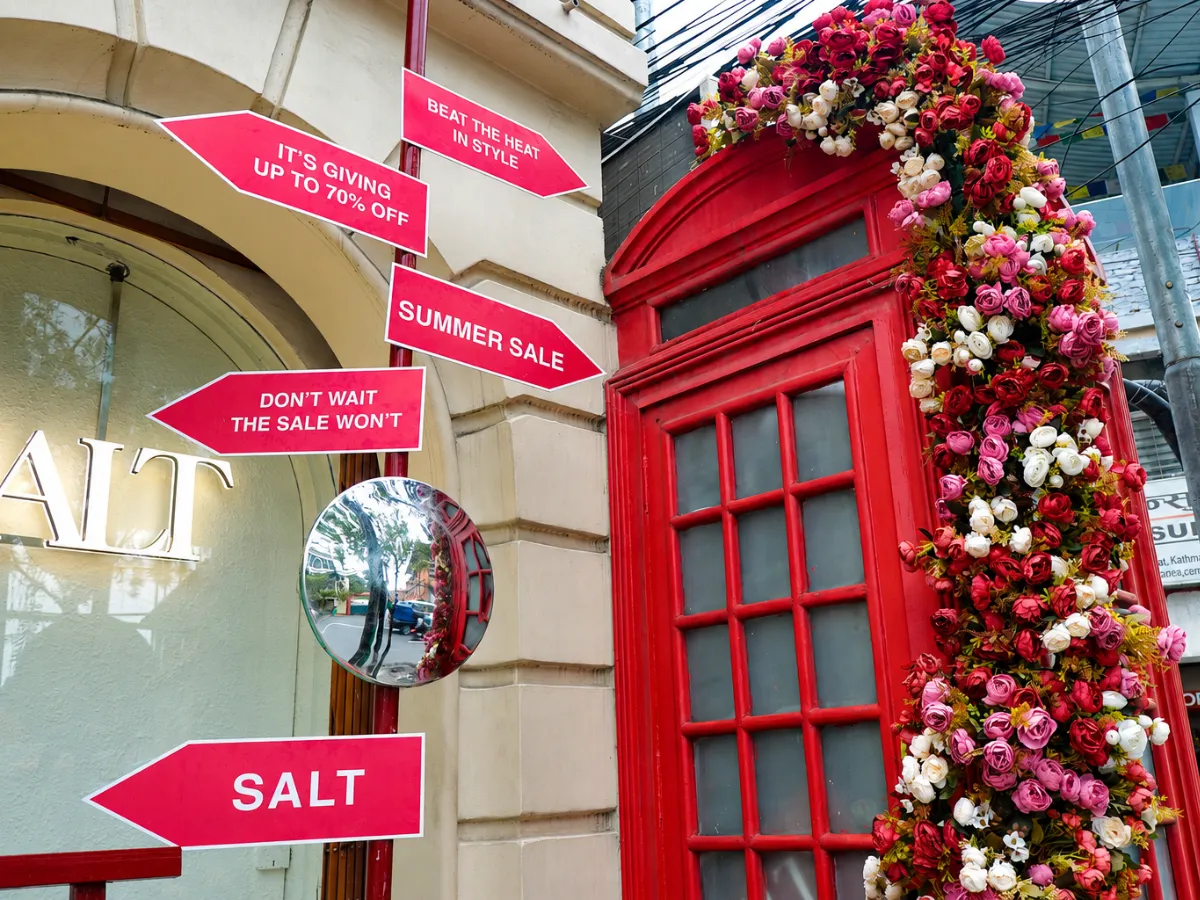

A beautiful event setup does not begin with flowers, lights, or a backdrop. It begins with understanding the space and what needs to happen inside it.
When planning event decoration in Nepal, it is easy to start by saving pictures and choosing colours. But a design can look beautiful in a photo and still feel wrong once it is placed inside a real venue. The size of the hall, guest count, event type, lighting, and movement of people all affect how the final setup will work.
A better approach is to plan the space first and then decide what decoration it actually needs.
Begin With the Purpose of the Event
Not every event needs the same kind of setup.
A wedding reception may need a strong stage, floral details, guest seating, and a photo area. A corporate event may need a clean backdrop, good screen visibility, simple branding, and clear lighting. A birthday or private dinner may work well with one main focal area and a few smaller details.
Before thinking about the theme, answer three questions:
- What type of event is this?
- What will guests mainly do there?
- Which part of the event should receive the most attention?
These answers give the decoration a purpose instead of turning it into a collection of unrelated ideas.
Study the Venue Before Making Design Choices
The venue already gives you part of the design.
A hotel hall may have chandeliers, carpets, pillars, and strong wall colours. A simple event hall may have neutral walls and open space. An outdoor venue may already provide greenery, views, and natural light.
Before choosing decorations, check the venue carefully.
| Venue Detail | Why It Matters |
|---|---|
| Size | Helps decide the scale of the decoration |
| Ceiling height | Affects tall or hanging features |
| Existing colours | Influences the colour palette |
| Lighting | Changes how flowers and colours look |
| Entrance | Shapes the first guest impression |
| Stage position | Affects visibility |
| Walkways | Need to remain clear |
| Setup time | Limits what can be installed |
This simple check can prevent ideas that look good on paper but do not work in the real space.
Decide What Guests Should Notice First
Every part of the venue does not need the same level of decoration.
Choose one main focal point. For a wedding, this may be the stage or mandap. For a corporate event, it may be the presentation area. For a private celebration, it might be the dining or photo space.
Then choose a few supporting areas, such as the entrance, tables, or signage.
A useful order is:
- Main stage or ceremony area
- Entrance
- Guest seating
- Dining space
- Photo area
- Smaller details
This creates a clear visual order and keeps the venue from feeling too busy.
Make the Different Areas Feel Connected
A well-designed event should feel like one complete space.
That does not mean every area needs to look identical. The stage may be more detailed, while tables and the entrance use simpler versions of the same idea.
Consistency can come from repeating a few elements, such as:
- one main colour
- one supporting colour
- a similar floral style
- the same lighting tone
- a repeated fabric or texture
For example, flowers used heavily on the stage can appear more lightly at the entrance or tables. The areas are different, but they still feel connected.
Keep Guest Comfort in the Plan
Decoration should not only look good in photographs. It also needs to work when the venue is full.
Large arrangements should not block entrances or exits. Table pieces should not stop guests from seeing each other. A photo area should have enough space for people to gather without blocking an important walkway.
Before finalizing the setup, walk through the venue as if you were attending the event.
Ask:
- Is it easy to enter?
- Are the main paths clear?
- Can guests see the stage?
- Is there enough room around tables?
- Can people reach the dining and photo areas easily?
If decoration makes the venue difficult to use, the design needs to change.
Think About Setup Before the Event Day
A decoration design also has to be possible to install.
Large structures and backdrops usually need to go in first. Lighting and technical elements may need their own setup time. Flowers, tables, signage, and smaller details are often added later.
If the venue gives only a short setup window, a very complex design may not be practical.
This is why setup should be discussed while the design is being planned, not after everything has already been chosen.
Use Inspiration Without Copying It
Pinterest and Instagram are useful places to find ideas, but an inspiration photo should not become a fixed plan.
That setup may have been created in a much larger venue, with different lighting, a taller ceiling, and a different budget.
Instead, identify what you actually like about the image. Maybe it is the colour palette, flower choice, backdrop shape, lighting, or simple layout.
Use that part as inspiration and adapt it to your own event.
For a fuller guide covering venue planning, design, focal areas, setup, costs, and different types of events, see:
Frequently Asked Questions
What should be planned first for event decoration?
Start with the event type and venue. Once you understand the purpose, size, layout, and lighting, the decoration direction becomes easier to choose.
Does every part of the venue need decoration?
No. It is usually better to give more attention to a few important areas and keep supporting spaces simpler.
How can event decoration look consistent?
Repeat a few elements such as colours, flowers, materials, or lighting across different areas without making every area identical.
Why is guest movement important?
Decoration that blocks paths, seating, or views may look attractive but can make the event uncomfortable for guests.
When should setup be considered?
Setup should be considered during the design stage. The decoration needs to be realistic for the venue access time and installation conditions.
Final Thought
Good event decoration starts with understanding what the event and venue actually need.
Plan the space first. Choose the main focal areas. Think about guest movement and setup. Then add the flowers, colours, lighting, and smaller details.
When those decisions are made in the right order, the final design is more likely to feel clear, balanced, and complete.





















Sign in to leave a comment.