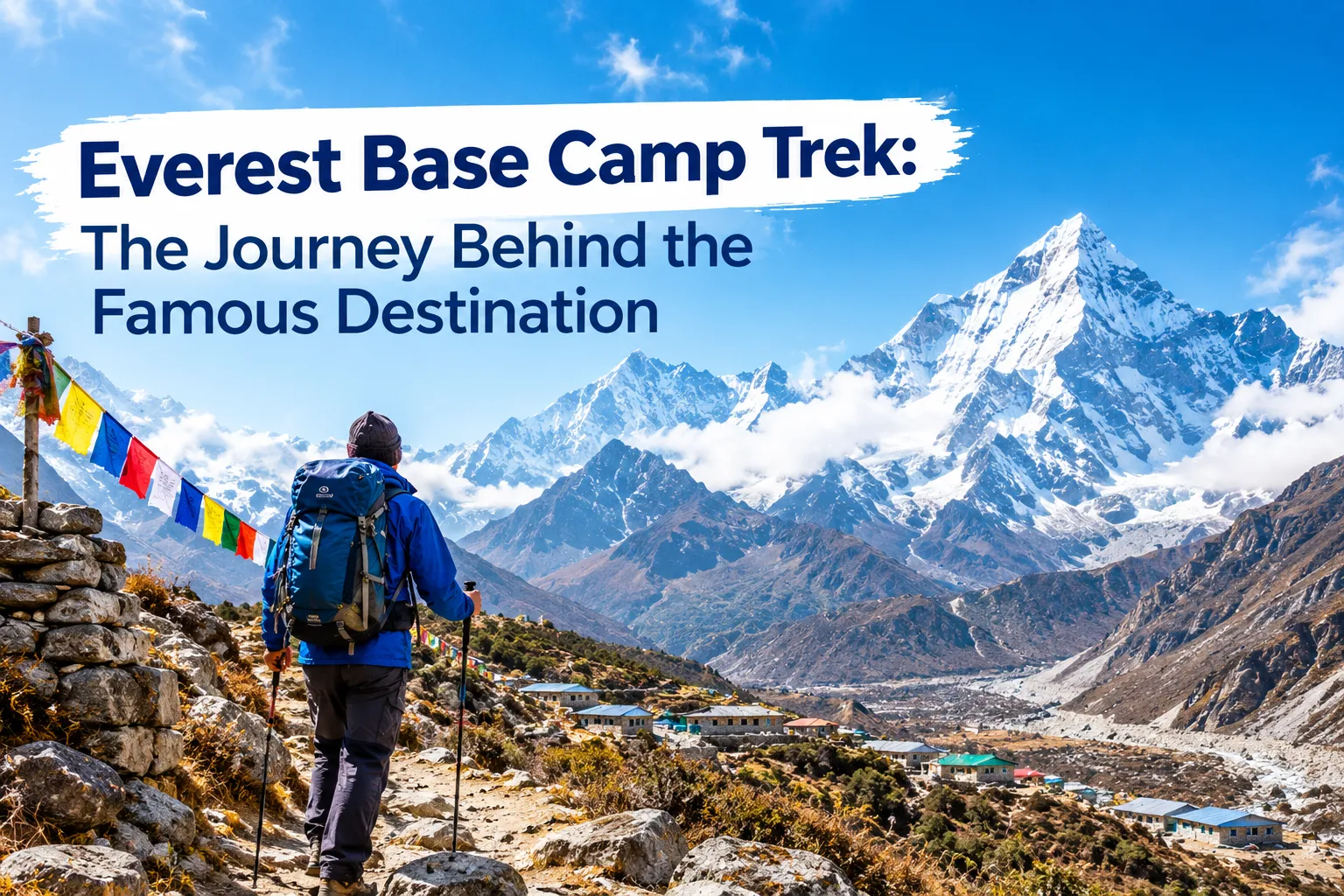

For many travelers, reaching Everest Base Camp sounds like the ultimate goal. But once you are on the trail, you quickly realize that the famous viewpoint at the end is only one part of the experience. The Everest Base Camp Trek takes you through Sherpa villages, suspension bridges, quiet forests, high mountain passes, Buddhist monasteries, and landscapes that change almost every day.
What makes the journey special is not simply getting closer to Mount Everest. It is the rhythm of walking, adapting to altitude, meeting people along the trail, and watching the Himalayas gradually become part of your everyday surroundings.
The Journey Starts Long Before Everest Comes Into View
One of the interesting things about the trek is that Everest is not the first thing you experience.
The adventure usually begins with a flight to Lukla, followed by a walk toward Phakding and Namche Bazaar. The lower trail feels surprisingly green, with rivers, pine forests, small settlements, and stone paths.
At this stage, the mountains are already impressive, but the landscape still feels welcoming. You have time to settle into the walking routine before the altitude becomes a serious consideration.
The trail then gradually becomes more rugged. Villages sit on steep hillsides, prayer flags move in the wind, and long suspension bridges cross deep valleys.
This gradual change is what gives the trek its character.
Namche Bazaar Is More Than a Rest Stop
Namche Bazaar is often remembered as one of the most enjoyable places on the route. Built into a natural amphitheater, this busy mountain town is where trekkers usually spend an acclimatization day.
You might explore the local market, visit a viewpoint, walk toward the Everest View Hotel, or simply enjoy a slower morning with a cup of tea.
The acclimatization day is important because your body needs time to adjust to the increasing elevation. Rather than rushing upward, the itinerary allows you to walk high and sleep lower, helping your body adapt more comfortably.
For many trekkers, Namche is also where the journey starts to feel genuinely Himalayan.
The Trail Becomes Quieter and More Dramatic
After Namche, the surroundings begin to change noticeably.
The forests become thinner, the valleys feel wider, and the air gets cooler. You pass through places such as Tengboche, Dingboche, and Lobuche, each offering a different view of the region.
Tengboche is especially memorable because of its monastery and panoramic mountain setting. It is easy to understand why this part of the Khumbu region has such a strong spiritual atmosphere.
Further ahead, the trail becomes more demanding. The landscape is increasingly rocky and barren, and every uphill section requires more patience.
This is also where the trek becomes less about covering distance and more about managing your pace.
Altitude Changes the Way You Walk
High-altitude trekking is different from walking at lower elevations.
A distance that looks short on a map can take much longer when you are above 4,000 meters. Your breathing becomes heavier, your pace naturally slows, and even ordinary uphill sections can require regular breaks.
This is why a well-planned Everest base camp trek package should not focus only on the number of trekking days. Acclimatization, walking pace, overnight stops, and flexibility matter just as much.
You should also pay attention to how you feel. Headache, nausea, dizziness, unusual tiredness, or difficulty sleeping can be signs that your body is struggling with altitude. Ignoring symptoms simply because you are determined to reach the next destination can turn a manageable problem into a serious one.
The Villages Become Part of the Experience
It is easy to think of the Everest region mainly in terms of mountains. In reality, the people and communities along the trail are an important part of the journey.
Sherpa villages, prayer wheels, mani walls, monasteries, teahouses, and colorful prayer flags create a cultural experience alongside the natural scenery.
You may share a dining room with trekkers from several different countries, drink tea beside a warm stove, or watch porters and local residents going about their daily routines.
These small moments often become some of the strongest memories of the trek.
The mountains may be the reason you came, but the life around the trail helps make the journey feel real.
The Final Days Feel Completely Different
As you move beyond Dingboche toward Lobuche and Gorak Shep, the environment becomes increasingly stark.
Trees disappear. The trail passes through rocky terrain surrounded by enormous peaks. The cold becomes more noticeable, particularly in the morning and evening.
The walking can feel slower here, but there is also a strong sense of anticipation.
Eventually, the trail toward Everest Base Camp comes into view.
Reaching the base camp is rewarding, but the experience is not necessarily about standing at a single famous point. It is about remembering the days of walking that brought you there—the bridges, villages, steep climbs, cold mornings, acclimatization days, and conversations along the way.
Why the Return Journey Matters Too
One common misconception is that the trek is essentially finished after reaching Everest Base Camp.
In reality, the return journey gives you a completely different perspective.
You are walking through familiar places, but now you recognize the trail. A village that felt distant on the way up may suddenly seem close. A difficult climb may become an easier descent.
You also have the chance to appreciate landscapes that you may have been too tired to notice earlier.
Depending on the itinerary, trekkers may also take different routes or spend additional time in the region, allowing the return journey to feel like part of the adventure rather than simply a trip back.
Choosing the Right Everest Base Camp Package
There is no single itinerary that works perfectly for everyone.
When comparing an Everest Base Camp trek package, look beyond the advertised price. Check how many days are included, where acclimatization days are scheduled, what accommodation and meals are covered, and whether airport transfers and domestic flights are included.
A good Everest Base Camp trekking package should also provide clear information about guide support, permits, transportation, emergency arrangements, and what happens if weather affects the itinerary.
Some travelers prefer a more comfortable pace, while experienced trekkers may want a tighter schedule. The right EBC trekking package should match your fitness, available time, experience, and comfort level rather than simply being the cheapest or shortest option.
If you are interested in a broader sightseeing experience alongside trekking, an Everest Base Camp tour package may include additional activities before or after the trek.
What Makes the Journey Worth It?
The biggest mistake is to think of Everest Base Camp as a destination you simply need to reach.
The real experience happens between the starting point and the base camp.
It is waking up before sunrise in a mountain village. It is crossing a suspension bridge above a rushing river. It is seeing prayer flags against a blue Himalayan sky. It is slowing down because the altitude demands it. It is sharing stories with other trekkers over dinner. It is watching the landscape change from green valleys to an austere high-altitude world.
And then, after days of walking, you finally arrive.
That is why the Everest Base Camp Trek remains so memorable. The famous destination matters, but the journey gives it meaning.
Final Thoughts
Everest Base Camp is certainly an iconic Himalayan destination, but the trail leading there offers far more than a photograph at the end.
From Lukla and Namche Bazaar to Tengboche, Dingboche, Lobuche, and Gorak Shep, every section introduces something different. The scenery changes, the altitude tests you, and the local culture adds depth to the adventure.
With the right preparation, a realistic itinerary, proper acclimatization, and reliable support, the trek becomes more than a physical challenge. It becomes a collection of experiences that stay with you long after you have left the mountains.
Nepal Hiking Team helps travelers experience the Everest region with experienced local guides, carefully planned itineraries, and practical support throughout the journey.
Frequently Asked Questions
How difficult is the Everest Base Camp Trek?
It is a challenging trek because of the altitude, long walking days, and changing terrain. You do not need advanced mountaineering skills, but good fitness and preparation are important.
How many days are needed for the trek?
A typical itinerary takes around two weeks, although the exact duration depends on the route, acclimatization schedule, and travel arrangements.
Is acclimatization really necessary?
Yes. Proper acclimatization gives your body time to adjust to increasing altitude and can reduce the risk of serious altitude-related problems.
What is included in an Everest Base Camp trek package?
Inclusions vary between operators, but packages commonly cover trekking permits, guide services, accommodation, meals during the trek, and some transportation. Always check the specific inclusions before booking.
Can beginners do the Everest Base Camp Trek?
Yes, many first-time Himalayan trekkers complete the route. Beginners should prepare properly, choose a sensible itinerary, and follow their guide's advice about pacing and altitude.
What is the best way to prepare for the trek?
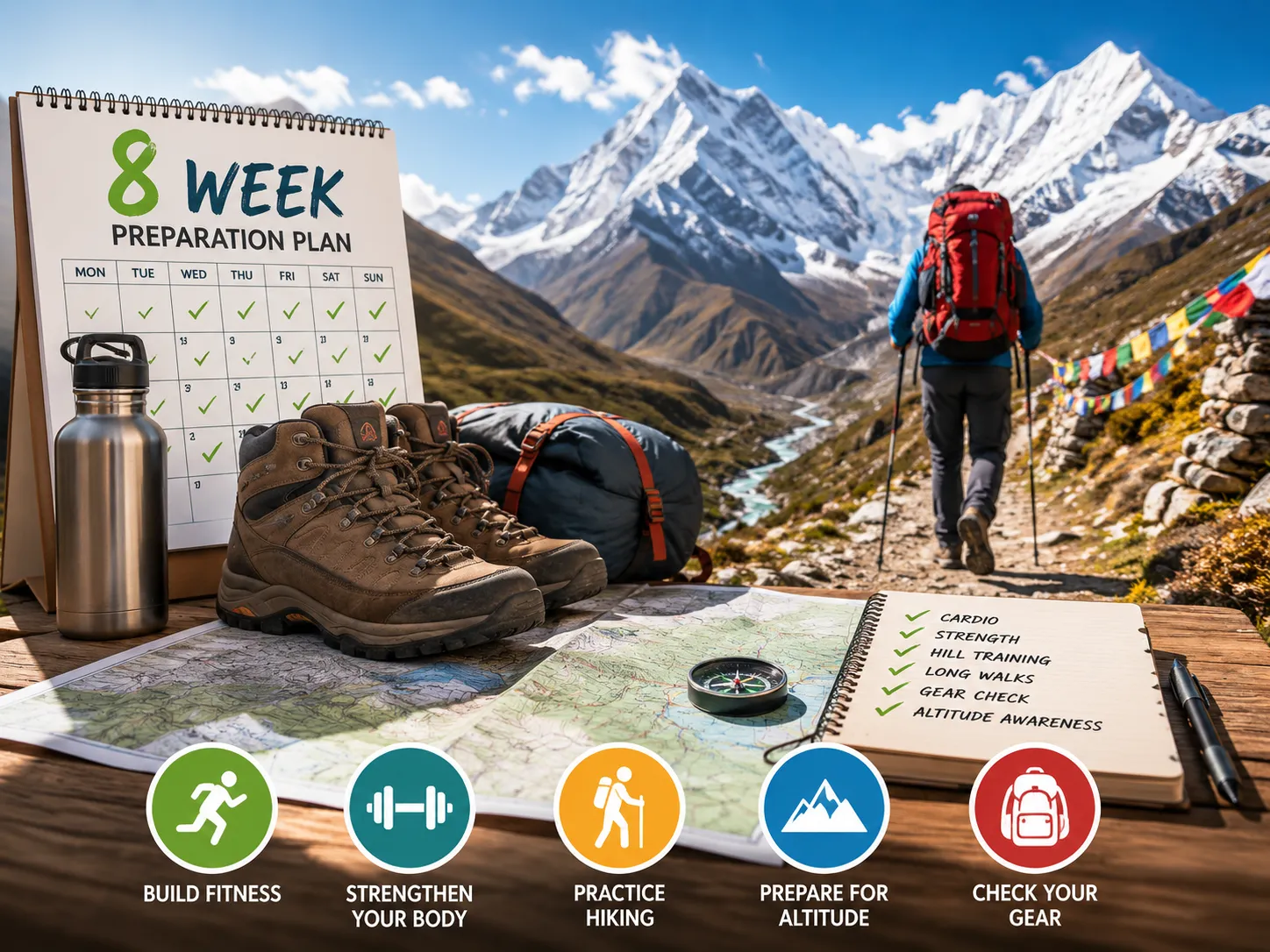
Build your walking endurance before departure, include uphill training in your preparation, break in your trekking footwear, and learn about altitude symptoms and acclimatization.






















Sign in to leave a comment.