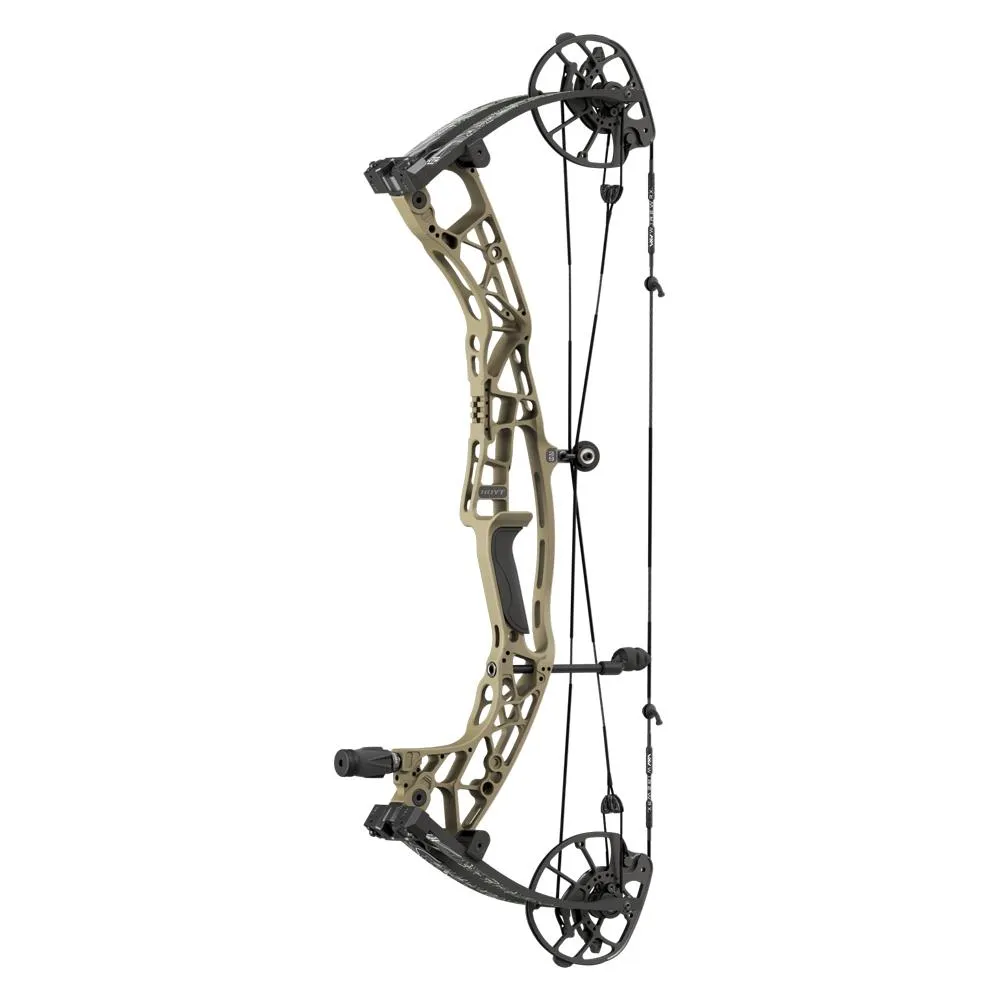

Ask a shop employee about a let-off, and you'll often get a single number thrown out like it settles the whole conversation. Eighty percent. Ninety percent. Higher must be better, right? Coaches who actually watch archers shoot know it's rarely that simple. Let-off affects your shot in ways that go well beyond how easy the bow feels to hold at full draw, and treating it as a marketing spec rather than a performance variable is where many setups go wrong.
Let-Off Solves One Problem, Not Every Problem
Before anything else, understand what let-off actually does. At full draw, a cam system reduces the holding weight so you're not fighting peak poundage while you aim. That's genuinely useful — less strain means steadier aim over a longer hold.
But that convenience comes with trade-offs most buyers never hear about. Higher let-off means a slacker string at full draw, which can translate to a longer power stroke feeling different in your hand than you'd expect. Know what problem you're actually solving before you chase the highest number on the spec sheet.
Higher Isn't Automatically Better for Accuracy
Here's something that surprises a lot of newer archers: maximum let-off doesn't necessarily mean maximum accuracy. Some competitive shooters intentionally choose lower let-off percentages because the added back tension keeps their form more engaged through the shot.
For most hunters and target archers, a moderate let-off in the 75-80% range strikes a comfortable balance between ease of hold and shot control. Still, if you're the kind of shooter who benefits from constant tension as a consistency cue, it's worth testing a lower setting before assuming higher is the obvious upgrade.
Your Back Tension Habits Change With It
Draw weight isn't the only thing let-off affects — it quietly reshapes how you engage your back muscles through the shot. Very high let-off can tempt shooters to relax too much at full draw, relying on the wall rather than maintaining continued muscular engagement.
Don't underestimate how much this matters over time. That relaxed feeling can slowly erode the back tension habits that keep your release consistent. Work with a coach to notice whether you're actively holding through the shot or simply resting on the let-off's mechanical stop.
Follow-Through Feels Different Than You'd Expect
Lower let-off setups typically demand more continuous effort, and that's just physics working against comfort. More sustained tension through the shot means less room to relax prematurely. Higher let-off, however, tends to surprise shooters in the opposite direction.
That surprising ease can become a problem if it encourages punching the release or losing focus in the final second before the shot breaks. If you're finding your groups open up despite steady practice, your let-off percentage combined with your release habits is worth examining before you blame your form alone.
Cam Timing Isn't Universal Across Let-Off Settings
Not every cam system delivers let-off the same way, and it matters more than people realize. Some cams provide a smooth, gradual transition into the valley, while others hit a more abrupt wall that changes how forgiving the draw cycle feels near full draw.
Because let-off percentage alone doesn't tell you how a cam actually behaves through the stroke, it's still worth test-drawing specific models rather than shopping by spec sheet numbers alone. A high let-off number paired with a harsh, unforgiving valley is still an uncomfortable setup for consistent shooting.
Testing Time Isn't Optional
No spec sheet, no matter how detailed, replaces actually shooting a setup across multiple sessions. Before you commit to a specific let-off percentage, you need real reps: holding at full draw under time pressure, working through fatigue late in a round, and noticing where your form starts to slip.
This is true of every performance variable, but it's worth repeating here because let-off's effects are often subtle and cumulative rather than obvious on the first shot. Budget for range time specifically testing this variable, not just assuming the manufacturer's default setting is right for you.
The Informed Choice
So, what let-off percentage is right for you? That depends on what you're prioritizing — a longer, steadier aim with less physical strain, or the added consistency cue of continuous back tension. If comfort and extended holding matter most, lean higher. If shot-to-shot consistency is your bigger concern, a lower percentage on your compound bow might serve you better than the marketing numbers suggest.
Whatever you decide, do your homework first: test multiple cam systems, pay attention to how your back tension holds up over a full session, and be honest about whether ease at full draw is helping your shot or quietly working against it. Choose with your eyes open, and you'll end up with a setup that supports your form instead of masking its weaknesses.


























Sign in to leave a comment.