
Aesthetic medicine has developed far beyond a limited set of cosmetic procedures. Today, professionals working in this field are expected to understand facial anatomy, skin biology, ageing patterns, body composition, patient expectations, and the principles behind minimally invasive treatments. As patients increasingly look for personalized and natural-looking outcomes, comprehensive education has become an important part of professional development.
The most valuable aesthetic training does more than introduce individual procedures. It helps practitioners understand how different treatment approaches address different concerns, how to evaluate suitability, and how to build a treatment strategy around the individual rather than around a particular procedure.
Understanding the Language of Facial Aesthetics
The face is a dynamic structure made up of muscles, skin, fat compartments, connective tissues, blood vessels, nerves, and underlying skeletal structures. Changes in any of these components can influence facial appearance.
This is why modern aesthetic education increasingly emphasizes assessment before intervention. A practitioner needs to recognize facial proportions, asymmetries, muscle activity, skin quality, and age-related changes before considering an appropriate approach.
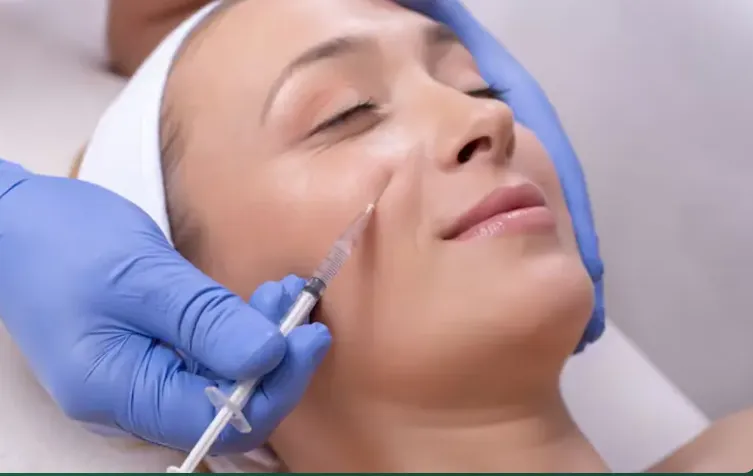
A Botox Threads Fillers Workshop can introduce professionals to three important categories within minimally invasive aesthetic practice while encouraging them to understand that each modality has a distinct purpose. Neuromodulator-based approaches, thread-based techniques, and dermal fillers involve different treatment principles, anatomical considerations, and patient-selection factors. Learning how these categories differ is essential for responsible treatment planning.
The Importance of Facial Anatomy
Anatomical knowledge forms the foundation of safe aesthetic practice. Understanding the location and relationship of facial muscles, vessels, nerves, fat compartments, and other structures allows practitioners to appreciate why treatment requires precision and individualized planning.
Facial anatomy should not be viewed as something learned only for an examination. It is a practical framework for understanding facial movement, ageing, contour changes, and the potential effects of aesthetic interventions.
For this reason, quality training should encourage professionals to connect anatomical knowledge with real patient assessment. Looking at the face as a three-dimensional and dynamic structure can lead to more thoughtful clinical decisions.
Moving Beyond Procedure-Based Thinking
One of the biggest developments in aesthetic education is the shift from procedure-focused thinking toward patient-focused planning.
A patient may request a particular treatment because they have seen it discussed online or recommended by someone else. However, the professional's responsibility is to determine whether that treatment actually addresses the underlying concern.
For example, visible facial lines may be associated with muscle activity, while another patient's concern may primarily involve changes in skin quality or tissue volume. Two people can therefore present with apparently similar concerns but require completely different approaches.
This is why consultation and assessment deserve as much attention as technical knowledge.
Exploring Body Aesthetics
Facial aesthetics represents only one part of the broader aesthetic medicine landscape. Body contouring and body-focused treatments have also become increasingly relevant as patients seek non-surgical approaches to concerns involving body shape, localized fat, skin appearance, and overall contour.
A Body Slimming Workshop can help professionals explore the principles behind body-focused aesthetic management, including patient assessment, realistic expectations, treatment selection, safety considerations, and an understanding of how different body-contouring approaches may work.
The educational value of such training extends beyond learning about a particular treatment. Professionals benefit from understanding the difference between weight management and aesthetic body contouring. These are not interchangeable concepts, and patients should receive clear guidance about what an aesthetic treatment can and cannot realistically achieve.

Understanding Patient Expectations
Aesthetic treatment is closely connected with personal expectations. Patients may arrive with photographs, social-media references, or very specific ideas about the outcome they want. A responsible practitioner must be able to distinguish between a desirable goal and an unrealistic expectation.
Good consultation involves listening carefully, identifying the patient's actual concern, explaining available options, and discussing limitations. It also means recognizing situations where treatment may not be appropriate.
This communication process can significantly influence patient satisfaction. Even an technically successful treatment may be perceived negatively if the expected result was never realistic.
The Role of Individualized Treatment Planning
There is no universal aesthetic formula that works equally well for everyone. Facial structure, age, skin characteristics, lifestyle, previous treatments, and personal preferences all influence treatment planning.
The same principle applies to body aesthetics. Body shape varies considerably between individuals, and factors such as skin elasticity, distribution of adipose tissue, lifestyle, and expectations can influence the suitability of different approaches.
Professional education should therefore develop clinical reasoning rather than encourage practitioners to follow fixed treatment patterns.
Practical Learning Builds Professional Confidence
Aesthetic medicine is a practical discipline. While theoretical knowledge provides the foundation, observing real consultations and treatment planning can help learners understand how clinical decisions are made.
Practical exposure can demonstrate how professionals assess patients, communicate treatment possibilities, evaluate anatomical characteristics, and approach safety considerations. It can also help learners appreciate the importance of preparation, hygiene, documentation, follow-up, and patient education.
For learners at Derma Curve Aesthetic Academy, exposure to different areas of aesthetic practice can help create a broader understanding of how facial, skin, and body-focused treatments fit within modern aesthetic care.
Developing a Broader Professional Skill Set
Professionals entering aesthetic medicine increasingly need a combination of medical knowledge, aesthetic judgment, communication skills, and practical awareness.
Learning about multiple treatment categories can help practitioners understand when a particular modality may be appropriate and when an alternative approach may make more sense. This broader perspective can also help prevent unnecessary treatment by encouraging professionals to focus on the patient's actual objective.
The ability to say "this treatment is not the right option for you" can be just as important as knowing how a treatment works.
Continuous Education and the Changing Aesthetic Industry
The aesthetic industry changes rapidly. New technologies, treatment concepts, products, and patient preferences continue to influence clinical practice.
For this reason, professional education should not end after completing a single course or workshop. Continued learning allows practitioners to revisit fundamental concepts, remain familiar with evolving approaches, and develop greater confidence in patient assessment.
Workshops can provide focused exposure to particular areas, while broader programs can help professionals understand the relationship between different branches of aesthetic medicine.
Building a More Thoughtful Approach to Aesthetics
The future of aesthetic medicine is likely to focus increasingly on personalization, subtle results, patient safety, and informed decision-making. Patients are becoming more knowledgeable and are looking for professionals who can explain not only what a treatment involves but also why it may be appropriate for them.
For practitioners, this creates an opportunity to build careers around knowledge rather than simply procedure volume. Strong anatomical understanding, careful consultation, realistic communication, and continuous education can form the foundation of responsible aesthetic practice.
Ultimately, modern aesthetic training should encourage professionals to see the complete picture. Whether the focus is facial rejuvenation or body contouring, the most meaningful progress comes from understanding the patient first, selecting an appropriate approach second, and continuously refining professional knowledge throughout one's career.




















Sign in to leave a comment.