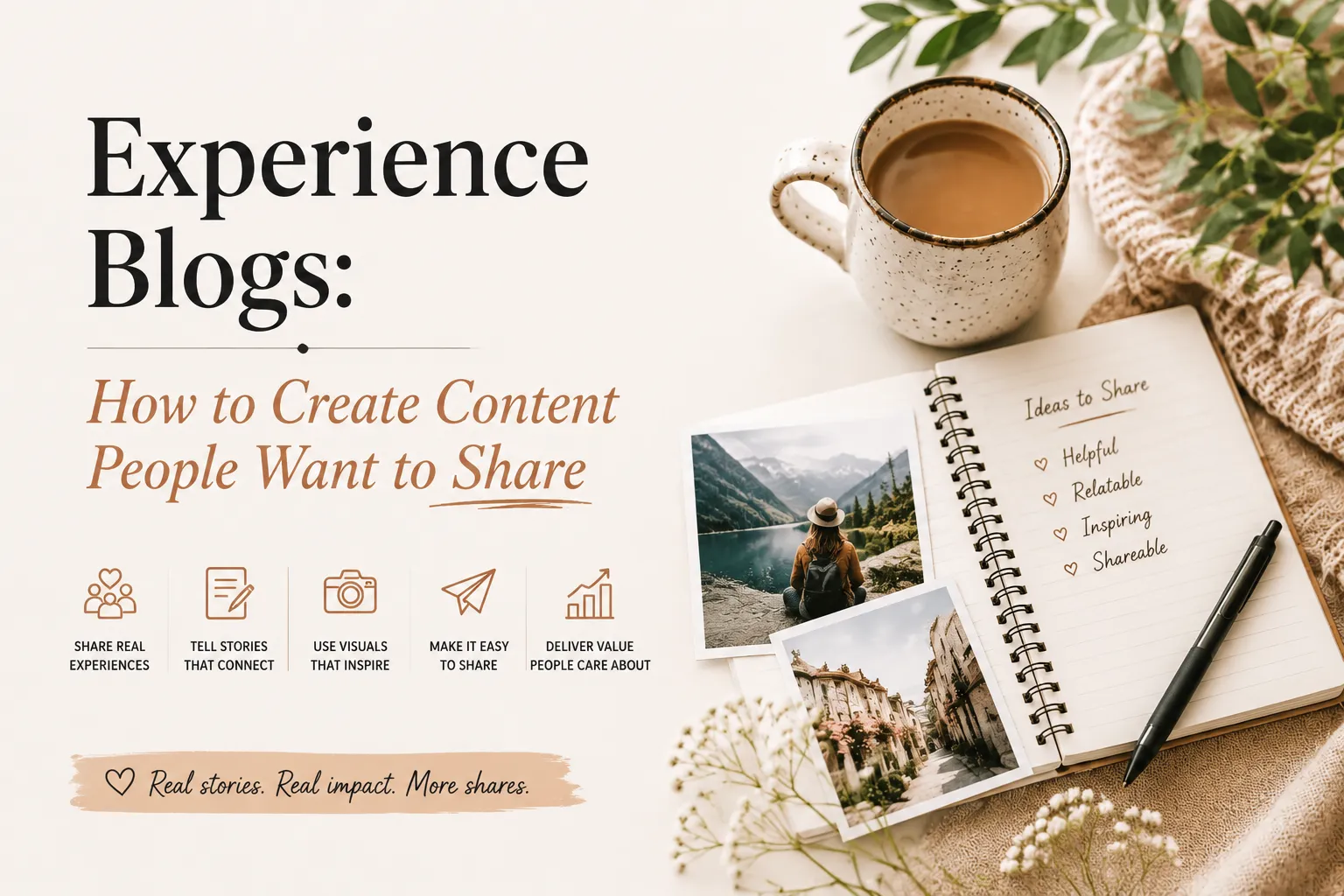

Creating a blog that attracts readers is important, but creating content that readers genuinely want to share can have an even greater impact. Experience blogs focus on real-life situations, practical advice, personal perspectives, and memorable moments that connect with audiences on a deeper level. When this type of content is useful, relatable, and engaging, readers are more likely to share it with friends, family, coworkers, and social media followers.
For travel and transportation businesses, experience-based content provides many opportunities to connect with potential customers. Group vacations, road trips, weddings, sporting events, corporate outings, school trips, and family adventures can all become engaging blog topics that provide useful information while inspiring readers.
Understand Why People Share Content
Before creating shareable blog content, it helps to understand why people share articles in the first place. Readers may share something because it solves a problem, provides helpful information, makes them feel inspired, or reminds them of an experience.
A travel article, for example, may be shared because someone is planning a similar trip. A guide about organizing transportation for a wedding may be sent to another person involved in the event. Content becomes more shareable when readers can immediately see how it could help themselves or someone they know.
Give Readers Something Valuable
Every article should provide a clear benefit. Readers should learn something useful, gain a new idea, or see a familiar experience from a different perspective.
Instead of creating general articles that simply describe a destination or activity, focus on information that helps readers make decisions. Practical travel advice, planning strategies, and real-world examples can make your content more valuable and memorable.
Choose Topics People Care About
The subject of your article has a major influence on its sharing potential. Experience-based content performs best when it focuses on topics that are relevant to the audience's interests, needs, or upcoming plans.
For travel websites, group trips, road trips, weekend getaways, destination ideas, wedding travel, sports events, and family vacations are all useful subjects. These topics naturally encourage conversations because people frequently plan and experience them together.
Focus on Real-Life Situations
Readers often connect with situations they have experienced themselves. Consider what happens before, during, and after a trip or event.
For example, a group preparing for a road trip may need to coordinate departure times, luggage, meals, activities, and transportation. Discussing these details can make an article feel realistic while giving readers practical information they can use.
Create Headlines That Encourage Clicks
A strong headline is essential for shareable experience blogs. When people encounter your article on social media or search results, the headline may determine whether they continue reading.
A good title should clearly communicate the topic and provide a reason to click. Avoid vague or overly complicated headlines. Instead, focus on the benefit, problem, or experience the article addresses.
Start With a Strong Introduction
The introduction should immediately connect with the reader. Begin by presenting a common problem, interesting idea, or relatable situation.
For example, a group may be excited about an upcoming vacation but worried about coordinating transportation for everyone. Introducing this challenge immediately gives readers a reason to continue reading.
Use Storytelling to Make Content Memorable
Storytelling is one of the most effective ways to improve engaging blog content. People often remember stories more easily than lists of facts or promotional statements.
Instead of simply explaining the benefits of group transportation, describe a realistic travel situation. Show how a group might struggle with several vehicles, different departure times, parking, and keeping everyone together. Then explain how better planning can create a smoother experience.
This approach provides useful information while making the article more interesting.
Combine Emotion With Practical Advice
Travel experiences are often connected with excitement, friendship, family, relaxation, and memorable moments. Including emotional elements can make your writing more engaging.
However, emotion should work alongside useful information. Readers should feel inspired while also receiving practical advice that can help them plan their own experiences.
Make Your Content Easy to Read
Even valuable information can lose its impact if an article is difficult to read. Use clear H2 and H3 headings, short paragraphs, simple language, and a logical flow.
A conversational writing style can also make lifestyle blog content feel more natural. Write for people rather than search engines, and avoid unnecessary jargon or repetitive phrases.
Use Relevant Images
Visuals can strengthen experience-based articles, particularly in the travel industry. Images of destinations, group activities, road trips, events, and transportation can help readers visualize the experience being described.
When an article is shared on social media, an engaging image can also make it more noticeable in a crowded feed.
Answer Questions Your Audience Has
One of the easiest ways to create valuable travel blog content is to answer questions readers are already asking. Think about what your audience needs to know before planning a trip or event.
Group travelers may want to know how to coordinate transportation, keep everyone together, manage luggage, plan schedules, or make travel more comfortable. Addressing these questions naturally can turn an ordinary blog post into a useful planning resource.
Solve Problems Instead of Just Describing Experiences
Experience blogs should do more than tell readers what happened. They should provide insights that readers can apply to their own situations.
For example, instead of simply describing a group road trip, explain what made the trip successful and what planning decisions helped avoid common problems. This gives the article practical value and increases its sharing potential.
Optimize Content for SEO and Social Media
SEO-friendly blog content can help attract visitors through search engines, while social promotion can introduce the same article to new audiences.
Use relevant keywords naturally in your title, headings, introduction, and body. Make sure the article remains easy to read and useful rather than forcing keywords into every paragraph.
Create Evergreen Experience Content
Evergreen content can continue attracting readers over time. Travel planning guides, group transportation advice, road trip preparation, and event planning articles can remain useful across different seasons.
Updating older articles with accurate information can help maintain their relevance and create additional opportunities for social promotion.
Connect Your Content With Your Brand
Businesses should use experience blogging to educate and connect with audiences rather than turning every article into an advertisement.
For example, a charter bus company can publish articles about group travel, weddings, sporting events, corporate outings, and road trips. When transportation naturally fits the subject, the article can explain how professional group transportation may help solve common travel challenges.
This approach provides value first and introduces the company's services in a natural way.
Build Trust Through Consistency
Publishing helpful content regularly can strengthen a brand's online presence. When readers repeatedly find useful information on a website, they may begin to view the business as a knowledgeable and trustworthy resource.
For travel and transportation companies, consistent group travel blog content can demonstrate expertise while helping potential customers make better decisions.
Encourage Readers to Share
Once an article provides genuine value, make it easy for readers to share. Social sharing options can allow visitors to send useful information to friends, family, coworkers, or travel groups.
A natural call to action can also encourage readers to pass the article along. Content that genuinely solves a problem or provides inspiration often earns shares without requiring aggressive promotion.
Final Thoughts
Learning how to create shareable content starts with understanding your audience and focusing on experiences that matter to them. Strong topics, engaging headlines, storytelling, practical advice, useful visuals, and easy-to-read formatting can all make an experience blog more appealing.
For travel and transportation businesses, the possibilities are extensive. Group vacations, road trips, weddings, sporting events, corporate travel, school outings, and family adventures can all provide valuable subjects for shareable experience blogs.
The most important goal is to create content that provides genuine value. When readers find an article helpful, relatable, inspiring, or memorable, they have a natural reason to share it. Over time, this can increase social engagement, attract new website visitors, strengthen brand awareness, and build lasting connections with your audience.






















Sign in to leave a comment.