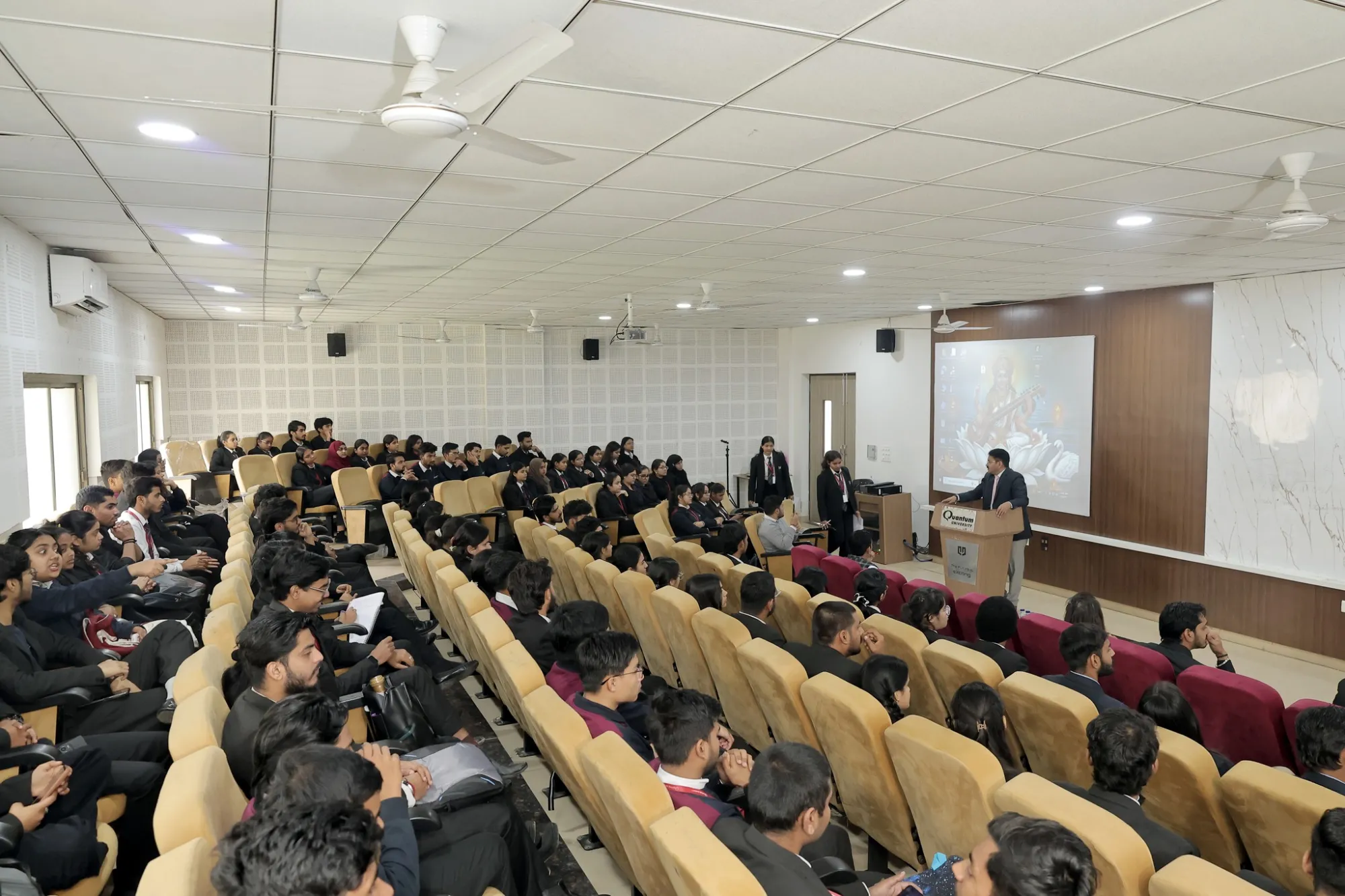

Quick answer: Experiential learning means learning through real tasks: labs, projects, case studies, internships. It builds retention, confidence and employability far better than lectures alone.
Ask any professional what they remember from college, and the answer is rarely a formula. It's a project, a failed experiment, a late-night team deadline. That is experiential learning at work, and it is one of the clearest signs of a strong university.
What Defines the Best University in India for Practical Learning?
The best university in India for hands-on learning integrates practice into the curriculum rather than adding it on the side. Look for these features.
Lab-intensive coursework
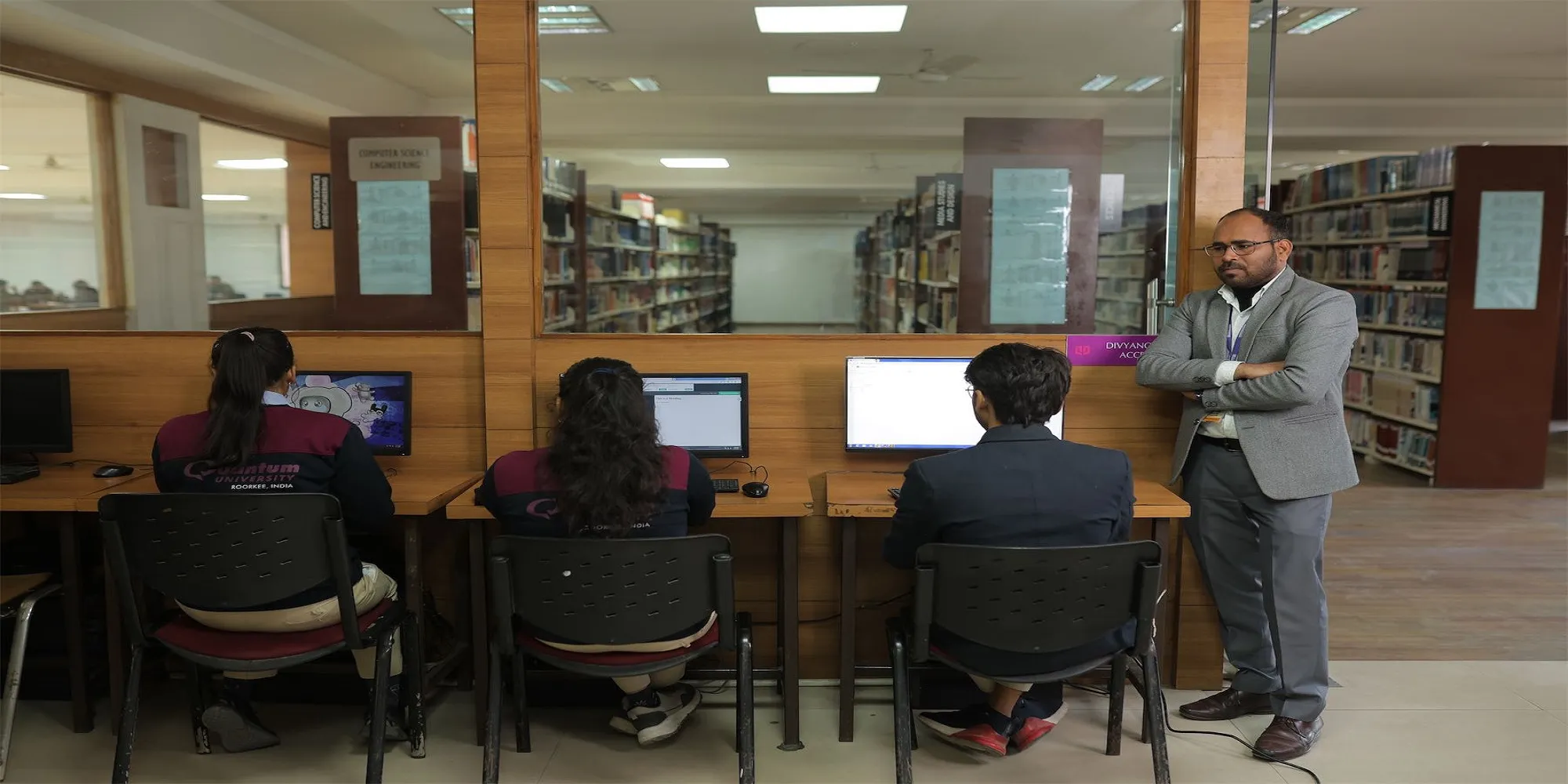
Labs should be scheduled, supervised and connected to theory. Students should leave a semester able to explain not just what happened in an experiment but why.
Project-based assessment
When grades include projects, students build skills that exams can't measure: planning, collaboration and problem-solving. Capstone projects in the final year bring everything together.
Case-based teaching
Management and engineering students both gain from real case discussions: a failed product launch, a bridge design trade-off, a supply-chain delay. Cases teach judgement, which no textbook can fully provide.
Internships and industry exposure
Short stints in industry show students how organisations work and help them choose specialisations with confidence.
How This Looks in Different Programmes
Engineering: A student of civil engineering benefits from surveying practice, material testing and design exercises. Software students benefit from coding labs, group projects and code reviews.
Management: MBA learners gain from simulations, presentations, live problems and mentoring from industry practitioners.
Diploma programmes: Workshop-based learning is central, since diploma students often move into technical roles quickly.
Why Experiential Learning Works
- Better retention: Applying a concept makes it easier to recall.
- Confidence: Students who have built something feel more prepared for interviews.
- Teamwork: Projects mirror workplace collaboration.
- Career clarity: Practical exposure helps students discover what they enjoy.
Questions to Ask a University About Practical Training
- How many hours of lab or workshop time are scheduled each week?
- Are projects individual, group or both?
- Can students work with faculty on research or industry problems?
- How is internship support organised?
- Are there hackathons, clubs or competitions beyond the classroom?
Compare answers across institutions. Specific, detailed responses usually indicate real practice; generic ones often don't.
How Students Can Maximise Experiential Learning
- Treat lab sessions as preparation, not paperwork.
- Document every project with a short write-up and results.
- Seek feedback from faculty, not just grades.
- Join one technical or professional club.
- Learn from mistakes openly. They are part of the process.
A Note on Balance
Practical learning doesn't replace theory; it deepens it. The strongest programmes combine conceptual rigour with application, so students can reason from first principles and execute in the real world.
Frequently Asked Questions
What is experiential learning in higher education?
It is learning through direct experience: labs, projects, internships, simulations and case studies.
Does practical training improve placements?
It improves readiness. Students with project experience usually perform better in technical interviews.
How can I verify a university's practical focus?
Visit labs, review the project requirements in the syllabus and speak with current students.
Is theory still important?
Yes. Theory provides the foundation; practice builds the skill to use it.



























Sign in to leave a comment.