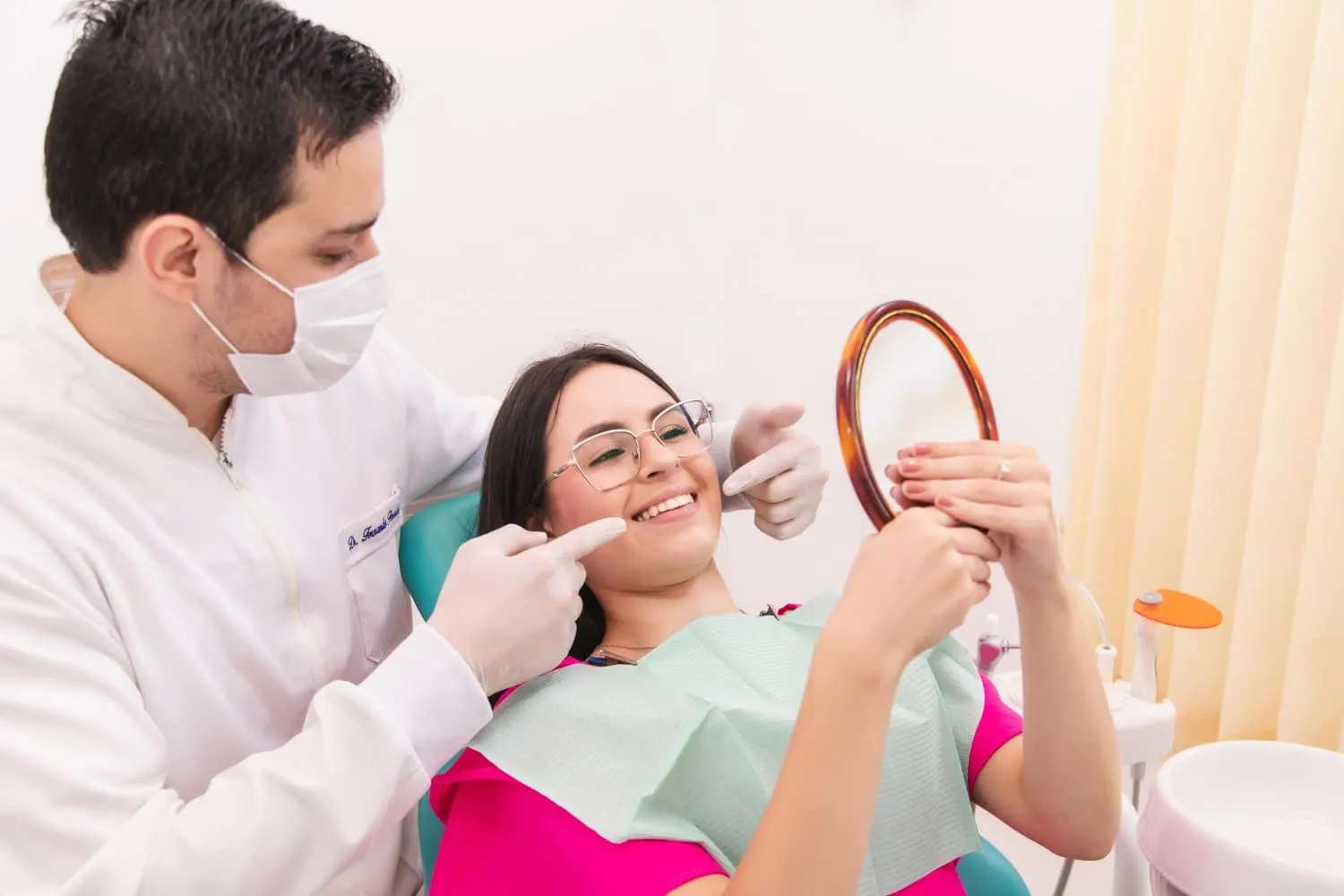

A smile can influence personal appearance and how comfortable a person feels when communicating with others. Cosmetic dental care focuses on improving visible aspects of the teeth while considering overall oral health and function. Patients exploring Cosmetic dentists Bournville may have concerns involving tooth colour, shape, spacing, alignment, or worn surfaces. A dental professional can assess these concerns and explain suitable treatment options based on individual circumstances. Understanding the available procedures and planning requirements can help patients develop realistic expectations while ensuring that cosmetic goals remain connected to healthy teeth and gums.
Importance of an Initial Consultation
An initial consultation provides an opportunity for the dental professional to understand the patient's concerns and assess their current oral health. During this appointment, the teeth, gums, bite, and existing dental work may be examined to determine suitable cosmetic options. Patients can also discuss their preferred outcome, previous treatment, and any concerns about sensitivity or comfort. A thorough consultation helps establish whether cosmetic treatment is appropriate and what preparation may be required. It also provides useful information about the expected treatment process, maintenance requirements, and factors that could influence the final appearance.
Assessing Tooth Colour
Tooth colour is one of the most common concerns addressed through cosmetic dental treatment. Natural teeth can become darker or stained because of ageing, dietary habits, tobacco exposure, and other influences. Professional whitening may help improve the appearance of certain types of staining when the teeth and gums are suitable for treatment. A dental assessment can identify the likely cause of discolouration and determine whether whitening is appropriate. Patients should understand that results can vary and that the final shade depends on individual factors. Realistic expectations are therefore important when planning cosmetic whitening.
Professional Teeth Whitening
Professional teeth whitening provides a controlled approach for patients who want to improve the brightness of their natural teeth. The dental professional can assess the teeth before treatment and provide guidance about the appropriate whitening process. Patients may also receive advice about sensitivity, food and drink choices, and maintaining the result. Whitening does not change the colour of every type of restoration, so existing dental work should be discussed beforehand. With appropriate planning and professional guidance, whitening can form part of a broader cosmetic dental approach while maintaining attention to overall oral health.
Dental Veneers and Smile Appearance
Dental veneers can improve the appearance of selected teeth by altering characteristics such as colour, shape, size, or proportion. They are individually planned and may require careful consideration of tooth preparation, existing restorations, and bite relationships. A dental professional can explain whether veneers are suitable and what the treatment process involves. Patients should understand that veneers require ongoing care and are not necessarily permanent. Discussing cosmetic goals clearly allows the dentist to consider whether veneers can provide an appropriate solution while maintaining suitable function and protecting the condition of the surrounding teeth.
Improving Tooth Shape
Irregular or uneven tooth shapes can sometimes affect the overall balance of a smile. Depending on the condition of the teeth, cosmetic treatments may be used to improve proportions or create a more harmonious appearance. The appropriate approach depends on factors such as tooth structure, position, bite, and the patient's desired outcome. A dental professional can assess these characteristics before recommending treatment. Patients should understand that cosmetic improvements should not compromise healthy tooth structure unnecessarily. Careful planning can help create a balanced appearance while keeping function and long term dental health in consideration.
Addressing Tooth Spacing
Small spaces between teeth may be a cosmetic concern for some patients. Depending on the cause and location of the spacing, orthodontic or restorative treatment may be considered. A dental assessment can determine whether the gap is simply an appearance concern or whether it relates to tooth position, gum health, or another dental factor. Patients should discuss their preferred outcome during consultation. Understanding the cause of spacing allows the dental professional to recommend an appropriate approach. Treatment planning should consider both appearance and function to help support a healthy and natural looking smile.
Considering Tooth Alignment
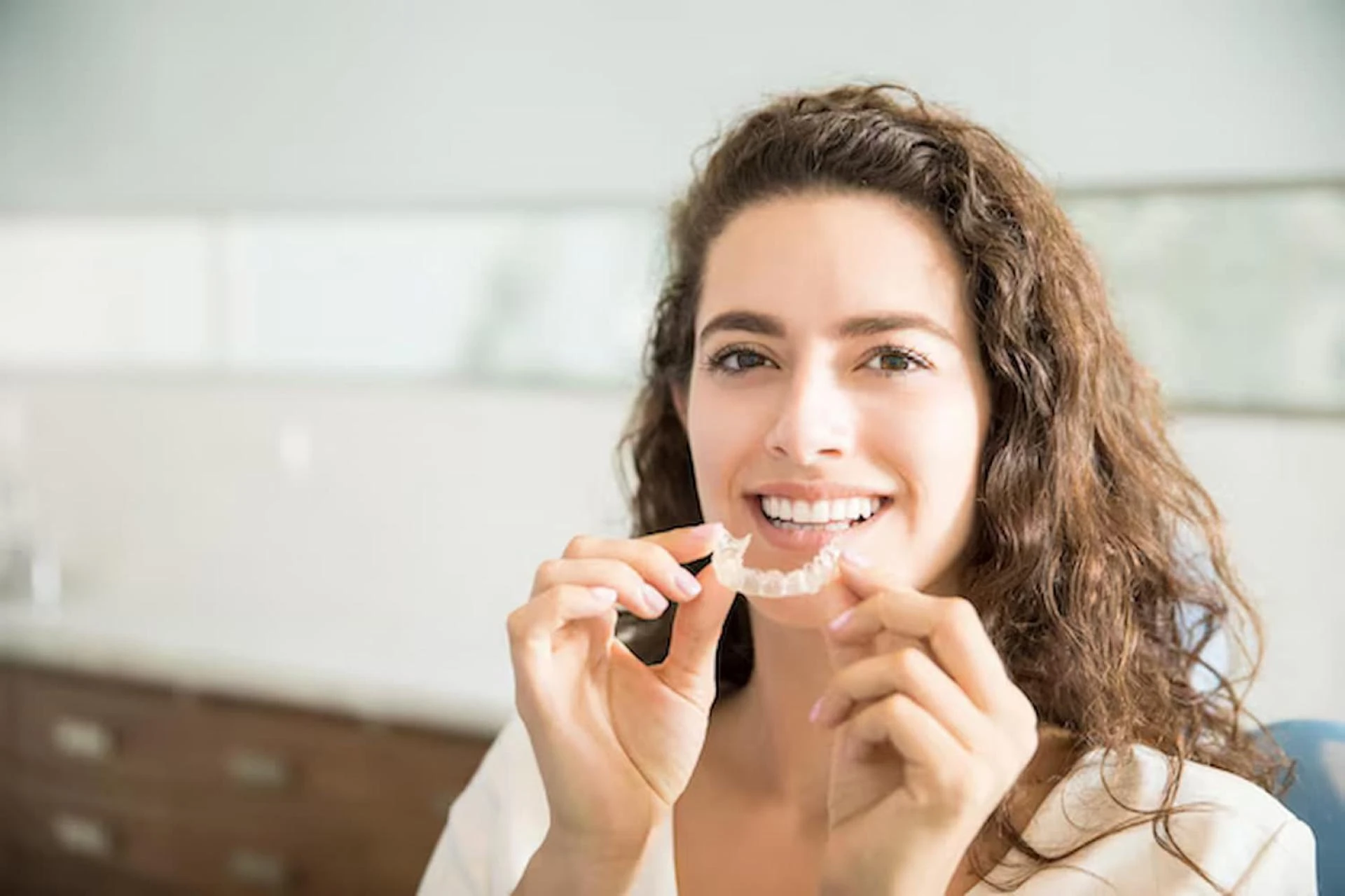
The position of the teeth can affect both smile appearance and how the upper and lower teeth meet. Cosmetic concerns involving mild crowding or spacing may sometimes be addressed through orthodontic treatment or other carefully planned procedures. A dental professional can evaluate the alignment and discuss available options based on the patient's dental condition. Orthodontic treatment may require a longer period than some cosmetic procedures, but it can provide gradual changes to tooth position. Patients should consider treatment duration, maintenance, and oral health when deciding which approach may be appropriate.
Assessing Gum Health
Healthy gums provide an important foundation for cosmetic dental treatment. Redness, swelling, bleeding, or other gum concerns may need attention before cosmetic procedures are considered. During an examination, the dental professional can assess gum condition and recommend appropriate care where necessary. Patients should continue regular brushing and interdental cleaning as part of their daily routine. Improving gum health can support the overall appearance of the smile and create more suitable conditions for cosmetic treatment. A comprehensive approach ensures that attention to visible teeth does not overlook important aspects of oral health.
Considering Existing Dental Work
Existing fillings, crowns, bridges, veneers, or other restorations can influence cosmetic treatment planning. Restorative materials may not respond to whitening in the same way as natural teeth, while their existing colour and shape can affect the overall appearance of the smile. Patients should provide information about previous dental treatment during their consultation. The dentist can assess whether existing restorations should remain, be adjusted, or be considered within a wider treatment plan. Understanding these factors before cosmetic treatment helps patients develop realistic expectations and supports a more coordinated approach to improving smile appearance.
Understanding Digital Treatment Planning
Modern dental care can involve digital tools that assist with examination, records, treatment planning, and communication. Depending on the procedure, digital images or other records may help professionals assess tooth proportions and plan cosmetic changes. These tools can provide useful information but should work alongside professional clinical judgement. Patients can ask how treatment planning is carried out and what information will be considered before a procedure is recommended. Understanding the planning process can make cosmetic treatment easier to follow and help patients feel more informed about the proposed changes.
Creating Natural Looking Results
Many patients seeking cosmetic dental treatment want improvements that look balanced rather than artificial. Creating a natural looking result involves considering tooth colour, shape, proportion, alignment, facial features, and surrounding teeth. A dental professional can discuss these factors during the planning stage and explain how different treatment options may influence the final appearance. Patients should communicate their preferences clearly while remaining open to professional recommendations. Careful planning can help ensure that cosmetic changes complement the existing smile. The aim should be a result that suits the individual's features while maintaining appropriate dental function.
Considering Treatment Suitability
Cosmetic treatment is not automatically suitable for every patient or every dental concern. The condition of the teeth, gums, bite, existing restorations, and overall oral health can influence whether a procedure should be recommended. Some patients may need restorative or preventive care before cosmetic treatment can begin. A professional assessment provides an opportunity to identify these factors and discuss appropriate options. Patients should understand why a particular treatment is recommended and ask questions about alternatives. This approach helps ensure that cosmetic goals are considered alongside the health and function of the mouth.
Understanding Treatment Preparation
Some cosmetic procedures require preparation before the final treatment can be completed. This may include addressing decay, improving gum health, replacing unsuitable restorations, or completing other necessary dental care. The extent of preparation depends on the patient's individual circumstances. Patients should ask what preparation is required and how it may affect the treatment timeline and overall cost. Understanding these stages helps individuals plan appropriately and avoid unexpected changes. Preparation is an important part of responsible cosmetic dentistry because it helps establish a healthier foundation for the planned improvement.
Considering Treatment Duration
The length of cosmetic treatment varies according to the procedure and complexity of the patient's needs. Professional whitening may follow a different schedule from veneers or orthodontic treatment, while more involved cases can require several appointments. Patients should ask about the expected timeline during the consultation. Understanding the duration can help individuals plan around work, family responsibilities, and other commitments. Treatment should be completed at an appropriate pace rather than rushed for convenience. Allowing sufficient time for assessment, preparation, treatment, and review can support a more organised and predictable cosmetic dental experience.
Understanding Aftercare Requirements
Aftercare is an important part of maintaining cosmetic dental results. Patients should continue brushing, cleaning between the teeth, and attending routine dental examinations after treatment. Depending on the procedure, specific advice may also be provided regarding diet, sensitivity, appliance use, or protection of restored teeth. Following professional recommendations can help preserve both appearance and function. Patients should also contact their dental team if they notice unexpected changes or discomfort. Understanding aftercare before treatment begins allows individuals to prepare for their ongoing responsibilities and recognise that cosmetic dentistry requires continued dental maintenance.
Considering Long Term Maintenance
Cosmetic dental treatments may require ongoing maintenance because natural teeth and dental restorations can change over time. Lifestyle habits, oral hygiene, ageing, biting forces, and dietary choices can all influence the appearance and condition of cosmetic work. Patients should discuss expected maintenance during their consultation and understand whether future reviews or replacement may eventually be required. Planning for long term care can help individuals protect their investment and maintain oral health. Cosmetic treatment should therefore be viewed as part of an ongoing dental care routine rather than a completely permanent solution.
Understanding Financial Considerations
The cost of cosmetic treatment depends on factors such as the procedure selected, number of teeth involved, preparation required, materials used, laboratory work, and appointment schedule. Patients should request clear information about the proposed treatment and understand what is included in the overall cost. General prices may not reflect individual treatment requirements, so a personalised assessment is useful. Patients should consider long term maintenance as well as the initial financial commitment. Understanding all relevant costs can help individuals plan their treatment more responsibly and avoid making decisions based solely on a single price figure.
Making an Informed Cosmetic Decision
Choosing cosmetic dental treatment requires consideration of appearance goals, oral health, treatment suitability, maintenance, duration, and financial requirements. Patients should discuss their expectations openly and ask questions about the recommended procedure before agreeing to treatment. A professional assessment can provide information about the condition of the teeth and gums and help identify suitable options. Comparing treatments based on individual requirements is more useful than relying on general assumptions. Taking time to understand the complete process can help patients approach cosmetic dental care with realistic expectations and greater confidence in their treatment planning.
Conclusion
Cosmetic dental treatment can address concerns involving tooth colour, shape, spacing, alignment, and overall smile balance when carefully planned around individual needs. Professional assessment, suitable treatment selection, realistic expectations, appropriate preparation, and consistent aftercare all contribute to responsible cosmetic care. Patients should discuss their goals and dental history before proceeding with any procedure. A personalised approach can help ensure that cosmetic improvements remain compatible with oral health and function. For patients considering cosmetic dental treatments in Bournville, Cadbury Dental can provide professional guidance and personalised care based on individual smile goals and dental requirements.



















Sign in to leave a comment.