

Modern skin care increasingly focuses on targeted approaches designed to address specific concerns while supporting overall skin health. Light based treatments have become an area of interest for people seeking professional options for persistent or recurring skin conditions. Exciplex light therapy cheshire can provide a focused approach that is designed around individual skin needs and treatment goals. Professional assessment helps determine whether this type of therapy is appropriate, while also allowing skin specialists to consider the condition, affected areas, skin type, and previous treatment history.
How Light Based Treatments Work
Light therapy uses controlled wavelengths of light directed towards selected areas of the skin. The purpose and treatment method can vary according to the condition being addressed and the technology being used. Targeted delivery allows treatment to focus on areas requiring attention rather than applying the same approach across the entire skin surface. A suitable treatment plan can therefore be developed around the individual's concerns, helping establish realistic expectations while prioritising comfort, skin condition, and appropriate professional guidance throughout the treatment process.
Conditions That May Benefit from Targeted Treatment
Light based approaches are often considered for particular skin concerns where focused treatment may be useful. Some individuals may experience conditions that affect limited areas of the body, making targeted treatment an appealing option. A professional consultation can help establish whether light therapy is suitable based on the appearance and history of the concern. Treatment suitability should always be assessed individually because different skin conditions can have different causes, characteristics, and responses. Professional evaluation remains an important part of selecting an appropriate skin care approach.
Supporting Individual Skin Needs
Every person's skin responds differently to professional treatments, which makes personalised planning particularly important. Factors such as skin sensitivity, pigmentation, existing irritation, medication history, and previous procedures may influence treatment suitability. A consultation allows a practitioner to review these considerations before recommending a suitable approach. Where targeted light therapy is appropriate, treatment can be planned around the affected areas and the desired outcome. This individualised process can help ensure that expectations remain realistic and that skin care decisions are based on professional assessment rather than assumptions.
Preparing for a Professional Skin Consultation
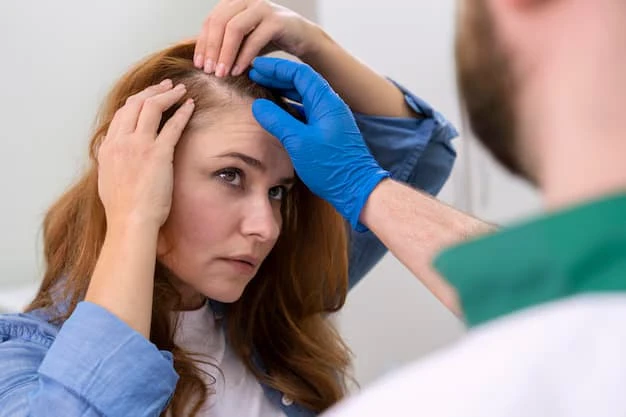
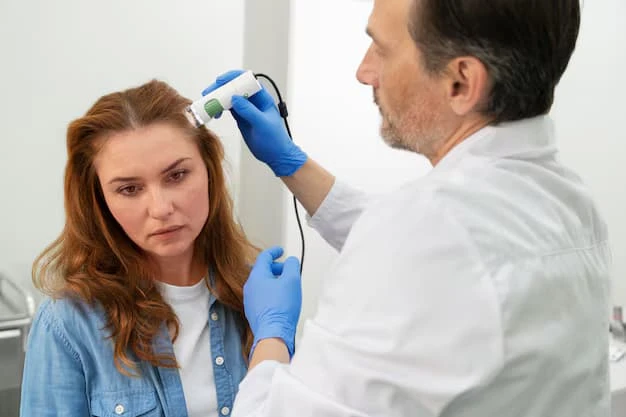
A consultation is an important stage before beginning any targeted skin treatment. During the appointment, the skin can be assessed to understand the nature, location, and severity of the concern. Relevant medical history, previous treatments, skincare routines, and current products may also be discussed. This information helps practitioners determine whether a light based approach is appropriate. It also provides an opportunity to explain the expected treatment process, possible temporary reactions, aftercare requirements, and the likely number of sessions needed to support the individual's chosen skin care objectives.
Establishing Realistic Treatment Expectations
Professional skin treatments should be approached with realistic expectations because results can differ from one individual to another. Some people may notice changes gradually, while others may require a series of sessions before meaningful improvement becomes apparent. The response can depend on the specific skin concern, its duration, individual skin characteristics, and adherence to recommended aftercare. A practitioner can explain what improvement may reasonably be expected and whether additional treatments or complementary skin care measures could be considered as part of a broader personalised plan.
What to Expect During Treatment
Treatment sessions are generally planned according to the area being treated and the individual's specific requirements. Before treatment begins, the practitioner may prepare the skin and position the equipment so that the selected area receives controlled light exposure. The experience can vary depending on the treatment setting and individual sensitivity. Practitioners monitor the skin throughout the procedure and adjust the approach when appropriate. Clear communication during treatment helps ensure that concerns about comfort or skin reactions can be addressed promptly and professionally.
Skin Response After Treatment
Following a light based treatment, the skin may experience temporary changes depending on the individual and the treatment parameters used. Some people may experience mild redness, sensitivity, warmth, or other short term effects. Practitioners can provide specific aftercare instructions designed to support the skin during recovery. Gentle skin care and appropriate protection from environmental exposure may be recommended. Following professional guidance is important because unsuitable products, excessive exposure, or unnecessary irritation could interfere with the skin's recovery and overall treatment experience.
Benefits of a Targeted Approach
One of the main advantages of targeted treatment is the ability to focus attention on specific areas of concern. Rather than using a broad approach for every part of the skin, treatment can be planned around the areas that require professional support. This can make the treatment process more individualised and efficient. Targeted light therapy may also form part of a wider skin care programme when a practitioner believes different approaches could complement one another. The overall objective remains healthier looking skin and appropriate management of the individual's concerns.
Combining Professional Advice with Skin Care
Professional treatment can work alongside a consistent daily skin care routine. Cleansing, moisturising, sun protection, and avoiding unnecessary irritation can help maintain the condition of the skin between appointments. The precise routine should depend on individual skin characteristics and professional recommendations. Introducing too many active products at once may create unnecessary irritation, particularly when the skin is undergoing professional treatment. A balanced approach can therefore help protect the skin barrier while supporting longer term skin care goals and maintaining the improvements achieved through professional treatment.
Choosing Suitable Skin Treatment in Cheshire
Finding an appropriate treatment involves more than selecting the latest technology. A suitable clinic should provide professional consultation, clear information, realistic expectations, and treatment planning based on individual needs. People considering exciplex light therapy cheshire can benefit from asking questions about suitability, treatment preparation, expected sessions, aftercare, and possible temporary skin reactions. Understanding these factors allows individuals to make informed decisions about their skin. A professional environment should also prioritise patient safety, appropriate assessment, and transparent communication throughout the treatment journey.
Importance of Professional Assessment
Professional assessment helps distinguish between different skin concerns that may appear similar but require different approaches. A practitioner can evaluate the affected area and consider relevant personal factors before recommending treatment. This reduces the risk of selecting an unsuitable procedure based solely on appearance or online information. It also creates an opportunity to discuss alternative options where light based treatment may not be appropriate. Careful assessment remains central to responsible skin treatment because effective skin support should always be tailored to the individual rather than based on a standard approach.
Maintaining Healthy Looking Skin
Maintaining skin health after professional treatment requires consistency. A suitable skincare routine can help support the skin barrier and protect it from avoidable environmental stress. Daily sun protection is particularly important because ultraviolet exposure can contribute to visible skin changes and uneven pigmentation over time. Gentle cleansing and regular moisturising can also help maintain comfort and hydration. Professional recommendations should guide the choice of products, especially when the skin is sensitive or recovering. Long term skin care is most effective when treatment and everyday habits work together in a consistent and manageable routine.
A Personalised Approach to Skin Support
Targeted light therapy represents one option within the broader field of professional skin care. Its suitability depends on the individual's concern, skin characteristics, treatment history, and professional assessment. For those exploring exciplex light therapy cheshire, understanding the process before treatment can make the experience more informed and comfortable. A consultation provides an opportunity to discuss objectives, potential benefits, limitations, and aftercare. With appropriate guidance, individuals can develop a realistic treatment plan that focuses on their particular skin needs while supporting healthier looking and more balanced skin over time.
Conclusion
Targeted light based treatment can offer a focused approach for individuals seeking professional support for selected skin concerns. Careful assessment, personalised planning, realistic expectations, and suitable aftercare are important elements of a responsible treatment journey. Individuals considering professional skin care can discuss their concerns with experienced practitioners to determine the most appropriate option for their needs. For tailored guidance and professional skin support, Este Medical Group Cheshire can provide a consultation focused on understanding individual concerns and developing a suitable approach to achieving healthier looking skin.

























Sign in to leave a comment.