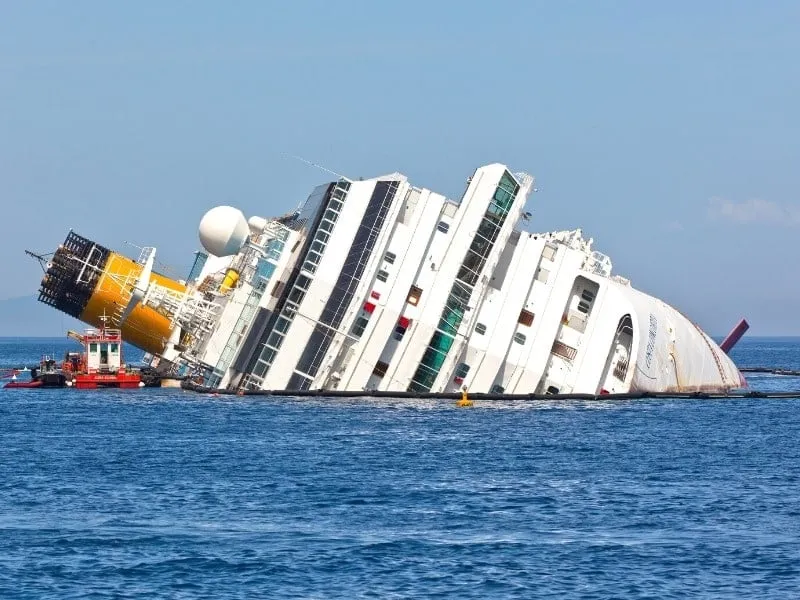

The maritime world is full of valuable equipment, retired vessels, reusable components, and surprising opportunities. Whether you own a boat, work in the marine industry, or simply enjoy restoring old equipment, salvage facilities can offer access to materials that may otherwise be difficult to find.
From engines and propellers to navigation equipment and structural components, marine salvage operations play an important role in giving valuable resources a second life. Instead of allowing damaged or retired vessels to become permanent waste, many components can be recovered, inspected, repaired, and reused.
A Valuable Resource for Boat Owners
Boat ownership often comes with maintenance responsibilities. Over time, engines wear down, electrical systems require replacement, and exterior components can become damaged by weather and saltwater exposure.
Finding replacement parts can sometimes be expensive, especially for older boats or discontinued models. This is where Marine Salvage Yards near me can become an excellent resource for boat owners searching for practical alternatives.
Salvage facilities may contain parts from different types of vessels, including fishing boats, recreational boats, yachts, and commercial marine equipment. Depending on availability and condition, visitors may discover engines, anchors, winches, railings, doors, windows, propellers, fuel tanks, and many other useful components.
For restoration enthusiasts, these locations can be particularly valuable because older vessels may contain original parts that are no longer manufactured.
Supporting Recycling and Environmental Responsibility
The marine industry uses a wide range of materials, including metals, fiberglass, aluminum, steel, copper, and electronic components. When vessels reach the end of their useful operating life, responsible dismantling and material recovery can help reduce unnecessary waste.
Salvage operations support recycling by separating reusable equipment from materials that can be processed for other purposes. This approach helps conserve resources while reducing the amount of marine-related waste entering disposal systems.
Reusable components can also reduce the need for manufacturing entirely new replacement parts. Extending the useful life of existing equipment is often a practical step toward more sustainable resource management.
Proper handling is especially important for materials such as fuel systems, batteries, oils, and electrical equipment. Professional facilities understand the importance of managing these components responsibly during dismantling and recovery.
Finding Parts for Restoration Projects
Restoring an older boat can be an exciting project, but locating authentic components is not always easy. Manufacturers may stop producing certain parts, and modern replacements may not match the original design.
Salvaged marine equipment can provide restoration specialists with access to unusual and hard-to-find components. A vintage steering wheel, cabin fixture, metal fitting, or mechanical component may help preserve the character and functionality of an older vessel.
Before purchasing any salvaged equipment, buyers should carefully inspect its condition. Some components may require repairs or refurbishment before installation. It is also important to confirm compatibility with the vessel and ensure that critical safety equipment meets applicable requirements.
Taking measurements, photographs, and model information before visiting a salvage facility can make the search process much easier.
Opportunities for Marine Professionals
Marine mechanics, repair companies, and boat restoration specialists may also benefit from access to salvaged equipment. Certain parts can be professionally refurbished and used in appropriate applications.
Commercial operators sometimes need specialized components that are difficult to source through traditional suppliers. Salvage facilities can offer another avenue for locating equipment from older vessels and discontinued product lines.
The availability of inventory can change frequently because every vessel entering a facility may contain different equipment. Regular visits or communication with local operators may help professionals discover useful components when they become available.
What to Look for During Your Search
When exploring a marine salvage location, it is helpful to have a clear list of required parts. Knowing the manufacturer, model number, dimensions, and technical specifications can prevent unnecessary purchases.
Buyers should inspect equipment carefully for corrosion, cracks, excessive wear, and other signs of damage. Mechanical and electrical components may need professional testing before installation.
It is also wise to ask about the history and condition of major components whenever that information is available. A well-informed purchase can save both time and money during a repair or restoration project.
For people searching online for Marine Salvage Yards near me, comparing available inventory, services, and facility policies can help identify the most suitable option.
The Future of Marine Salvage
As sustainability becomes increasingly important across industries, the recovery and reuse of marine materials will continue to have value. Salvage operations help preserve useful equipment while supporting recycling and responsible resource management.
For boat owners, mechanics, restoration experts, and maritime enthusiasts, these facilities can provide access to unique components and unexpected opportunities. A retired vessel may no longer travel across the water, but many of its valuable parts can still serve a useful purpose.
Exploring the world of marine salvage can reveal practical solutions, historic equipment, and reusable materials that contribute to a more resource-conscious maritime industry. With careful inspection and responsible purchasing decisions, salvaged marine equipment can become an important part of future repairs, restoration projects, and sustainable boating practices.






















Sign in to leave a comment.