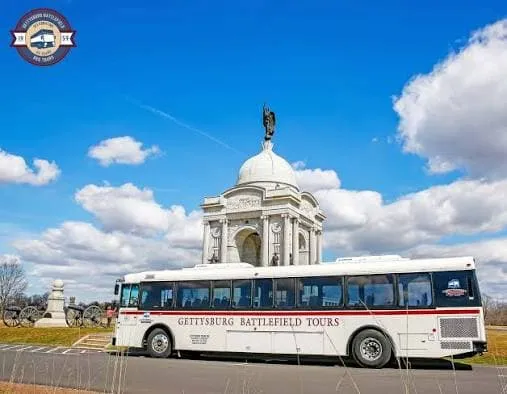

Gettysburg offers visitors an opportunity to step into a defining period of American history while exploring landscapes, landmarks, and stories connected to the Civil War. For travelers seeking a deeper understanding of the area, Gettysburg historic tours provide an organized way to discover important locations while learning about the people and events that shaped the community. Rather than simply viewing monuments, visitors can connect individual sites with the broader historical narrative. Guided explanations, carefully planned routes, and meaningful details can make the experience informative for both first time visitors and returning history enthusiasts.
Understanding the Historical Setting
Gettysburg became nationally significant because of the Battle of Gettysburg, fought from July 1 through July 3, 1863. The battle was a major turning point during the American Civil War and involved thousands of soldiers from the Union and Confederate armies. Today, visitors can explore locations associated with military movements, defensive positions, and important moments from the conflict. Historic tours help place these locations within a larger story, allowing travelers to understand how terrain, strategy, leadership, and individual decisions influenced events across the battlefield and surrounding community.
Exploring Important Battlefield Locations
Monuments and Memorials
The Gettysburg battlefield contains numerous monuments and memorials honoring soldiers, military units, and significant events associated with the battle. These structures provide more than opportunities for photographs because their designs, inscriptions, and locations often reflect specific historical connections. Visitors can learn why particular monuments were positioned in certain areas and how different states commemorated their soldiers. A knowledgeable tour can explain these details while connecting individual memorials to the larger sequence of events. This approach helps visitors recognize the battlefield as a historical landscape rather than simply a collection of monuments.
Historic Farmsteads and Buildings
Several historic homes, farms, and buildings remain important parts of the Gettysburg landscape. During the battle, civilian properties were affected by troop movements, fighting, medical activities, and the aftermath of combat. Exploring these places can reveal how military conflict affected ordinary families and local communities. Historic tours may provide context about residents, property owners, and the challenges they faced during and after the battle. These stories create a more personal understanding of history by showing that the consequences of the conflict extended beyond soldiers and military commanders.
Learning Through Detailed Historical Stories
Stories Behind the Battle
Historical events become easier to understand when they are connected through individual stories. Gettysburg has countless accounts involving soldiers, civilians, medical workers, families, and community members who experienced the battle in different ways. Tour guides can introduce these stories while explaining where particular events occurred. Personal accounts can make historical information more relatable without removing attention from the broader context. Visitors may gain a better appreciation of courage, uncertainty, sacrifice, and hardship by learning how people experienced the battle from different perspectives.
Understanding Military Strategy
The terrain surrounding Gettysburg played an important role in the battle. Hills, ridges, roads, fields, fences, and other geographic features influenced troop movements and defensive positions. A historic tour can help visitors recognize these features and understand why certain areas became strategically important. Instead of viewing the landscape without context, travelers can learn how commanders used natural and man made features during the fighting. This explanation can make military strategy easier to follow, especially for visitors who have limited knowledge of Civil War tactics or battlefield terminology.
Exploring the Town Beyond the Battlefield
Historic Streets and Buildings
Gettysburg is more than a battlefield, with a historic town that contains streets and buildings connected to the community's past. Visitors can explore areas where civilians lived, businesses operated, and soldiers passed through during the conflict. Historic buildings can reveal how the town functioned before, during, and after the battle. Walking through these areas provides a different perspective because the experience focuses on community life rather than military movements alone. Travelers can better understand how a small Pennsylvania town became an important location in American history.
The Gettysburg Address Connection
Gettysburg is also closely associated with President Abraham Lincoln's Gettysburg Address. Lincoln delivered the famous speech during the dedication of the Soldiers' National Cemetery on November 19, 1863, several months after the battle. Visitors interested in presidential history can learn about the circumstances surrounding the speech and its lasting significance. Exploring related locations can provide context about the nation's struggle during the Civil War and the meaning attached to the cemetery dedication. Historic tours can connect the speech with the larger themes of remembrance, national unity, and sacrifice.
Making History Accessible for Different Visitors
Experiences for First Time Travelers
First time visitors may find the scale of Gettysburg difficult to understand without a clear route or historical framework. A structured tour can make the area easier to navigate while introducing major events in a logical order. Visitors can focus on important landmarks without spending excessive time deciding which locations to visit independently. Explanations from knowledgeable guides can also answer common questions and provide context that may not be obvious from signs alone. This organized approach can help newcomers develop a foundation for understanding Gettysburg and its historical importance.
Family Friendly Learning
Families visiting Gettysburg can benefit from tours that present historical information through stories, locations, and visual details. Younger visitors may engage more effectively when historical events are explained through real people and recognizable places rather than lengthy technical descriptions. Parents and children can explore significant sites together while discussing the decisions and experiences of people who lived through the period. A thoughtful tour can encourage questions and conversations among family members. This makes the visit educational while still providing an engaging experience that different age groups can appreciate.
Choosing a Meaningful Historic Tour Experience
Guided Information and Local Knowledge
A knowledgeable guide can add valuable context to a historic tour by explaining details that visitors might overlook. Guides can describe historical timelines, identify important landmarks, and connect individual locations with major events. Local knowledge can also help travelers understand how the battlefield and town have been preserved over time. Clear explanations are especially useful when several events occurred in nearby locations or when the significance of a monument is not immediately apparent. With informed guidance, visitors can spend more time understanding the history rather than simply moving between destinations.
Comfortable Ways to Explore
Gettysburg covers a substantial area, so comfort and transportation can influence the overall touring experience. Some visitors may prefer walking through selected areas, while others may benefit from vehicle based sightseeing that allows them to cover more ground. Different tour formats can accommodate various schedules, mobility needs, group sizes, and interests. A comfortable touring experience allows travelers to concentrate on historical information without becoming overly focused on navigation or physical fatigue. Choosing a suitable format can therefore make it easier to explore more locations and maintain attention throughout the visit.
Appreciating Gettysburg's Lasting Historical Importance
Connecting Past and Present
Historic tours can help visitors recognize why Gettysburg continues to hold an important place in American history. The battlefield represents a critical moment in the Civil War, while the surrounding town preserves connections to civilian life, national remembrance, and changing interpretations of the past. Learning about these subjects can encourage visitors to consider how historical events continue to influence national memory. By connecting preserved locations with documented stories, tours create opportunities for reflection and education. The experience can leave travelers with a broader understanding of the people and events associated with Gettysburg.
Preserving History for Future Visitors
Preservation plays an important role in maintaining Gettysburg's historical landscape for future generations. Monuments, buildings, roads, fields, and other sites require ongoing care so visitors can continue to experience places connected to the past. Responsible tourism supports awareness of why these resources matter and encourages respectful behavior during visits. Historic tours can reinforce the importance of protecting significant locations while explaining their cultural and historical value. When travelers understand what they are seeing, they may develop a stronger appreciation for preservation and the responsibility involved in caring for historically meaningful places.
Planning a Memorable Visit to Gettysburg
Preparing Before the Tour
Visitors can improve their experience by learning basic information about Gettysburg before arriving. Understanding the general timeline of the Battle of Gettysburg can make detailed explanations easier to follow during a tour. Travelers may also consider the length of the experience, preferred transportation method, weather conditions, and the interests of everyone in their group. Preparing in advance allows visitors to approach the historic landscape with realistic expectations. Even a small amount of preparation can help travelers recognize important locations and appreciate the historical explanations provided throughout the tour.
Making Time for Reflection
A meaningful visit does not always depend on seeing the largest number of locations. Taking time to consider the stories associated with each site can make the experience more memorable. Visitors may pause at monuments, historic buildings, cemeteries, and battlefield viewpoints to reflect on what occurred there. This slower approach allows historical information to become more personal and understandable. Travelers can leave with a stronger connection to the destination when they balance sightseeing with thoughtful observation. Such moments can transform a tour from a simple outing into a lasting educational experience.
Conclusion
Gettysburg provides an exceptional setting for discovering American history through preserved landscapes, monuments, historic buildings, and personal stories. Visitors can explore battlefield locations, understand military strategy, learn about civilian experiences, and discover connections to nationally significant events. Carefully planned tours make these subjects easier to understand by combining historical context with direct exploration of important places. For travelers seeking an informative and engaging experience, Gettysburg Tour Center can provide opportunities to explore the area's historic character while creating meaningful memories connected to one of the most significant chapters in American history.


























Sign in to leave a comment.