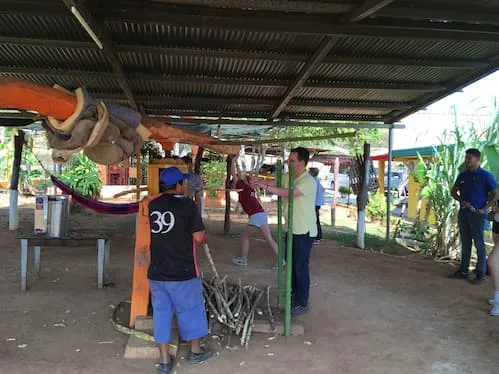

Panama offers students an exceptional opportunity to explore tropical ecosystems, diverse communities, and fascinating cultural traditions within one destination. From coastal environments to rainforests, the country presents a remarkable setting where geography and culture become meaningful parts of the travel experience. Panama student travel can introduce young travelers to biodiversity through carefully planned visits, guided exploration, and engaging cultural activities. These experiences encourage students to observe their surroundings closely while developing a deeper appreciation for natural environments and the communities that protect them.
Exploring a Country of Remarkable Diversity
Panama connects North and South America and contains an impressive variety of landscapes within a relatively compact area. Students can encounter tropical forests, mountain regions, islands, wetlands, and coastal environments during a well organized journey. Each setting supports different plants and animals, creating opportunities to understand how ecosystems function and interact. Observing these environments in person can make geography and environmental science more understandable than classroom discussions alone. Students can also recognize how climate, terrain, and human activity influence the natural world around them.
Learning From Panama's Rainforests
Understanding Tropical Ecosystems
Panama's rainforests provide an engaging environment for students interested in biology, ecology, and environmental science. Guided nature walks can introduce groups to different plant species, insects, birds, and other wildlife while explaining their roles within the ecosystem. Students can learn about food chains, adaptation, conservation, and habitat protection through direct observation. Such activities encourage curiosity because young travelers are able to connect scientific concepts with visible examples. A rainforest experience can therefore transform abstract environmental topics into memorable discoveries that remain meaningful long after the journey ends.
Discovering Wildlife in Natural Habitats
Wildlife observation can become one of the most exciting elements of a student journey through Panama. Students may have opportunities to see colorful birds, monkeys, reptiles, amphibians, and numerous insects in their natural environments. Experienced guides can explain animal behavior, habitat requirements, and the challenges facing different species. Instead of simply viewing wildlife as entertainment, students can understand the importance of maintaining healthy ecosystems. These encounters can encourage responsible attitudes toward nature and demonstrate why biodiversity protection requires cooperation between local communities, researchers, visitors, and conservation organizations.
Exploring Panama's Marine Biodiversity
Learning Along Coastal Environments
Panama's extensive coastlines create additional opportunities to explore marine ecosystems and their importance. Students can discover how coral reefs, mangroves, beaches, and coastal waters support numerous forms of life. Educational activities may introduce the relationships between marine species and the surrounding environment while highlighting issues such as pollution and habitat loss. Seeing these ecosystems directly can help students understand why oceans require careful stewardship. Coastal experiences also provide a different perspective on biodiversity, showing that environmental protection extends beyond forests and includes interconnected aquatic habitats.
Understanding the Importance of Conservation
Conservation can become a central theme during a student journey because Panama demonstrates how natural resources and communities are closely connected. Students can learn about protected areas, habitat restoration, wildlife monitoring, and sustainable tourism practices. Discussions with knowledgeable guides can help explain the challenges involved in balancing economic activity with environmental responsibility. These lessons encourage students to consider how everyday decisions can affect ecosystems. By examining conservation efforts within an actual destination, students can better understand the practical work required to protect biodiversity for future generations.
Connecting Nature With Panama's Culture
Discovering Local Communities
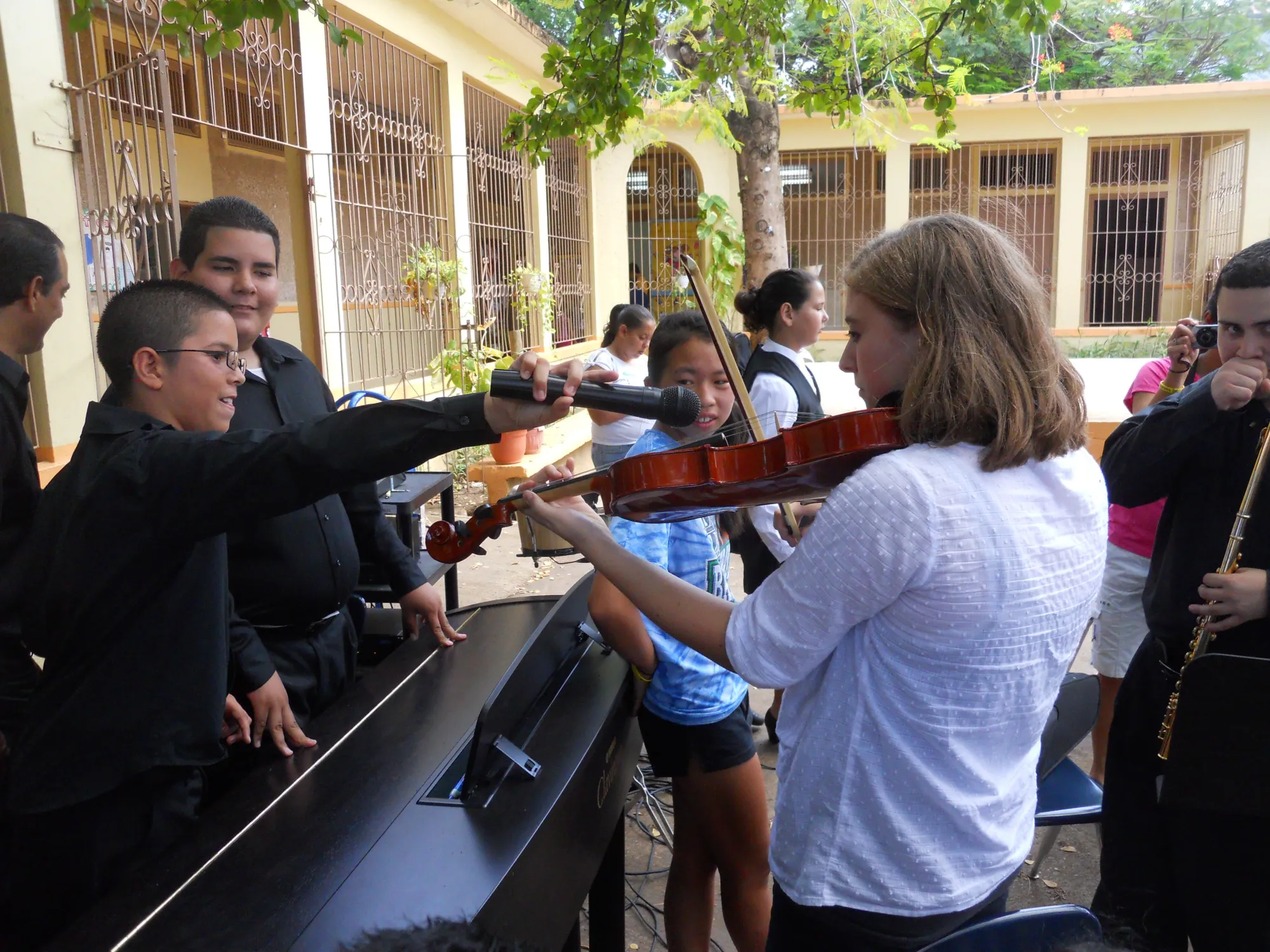
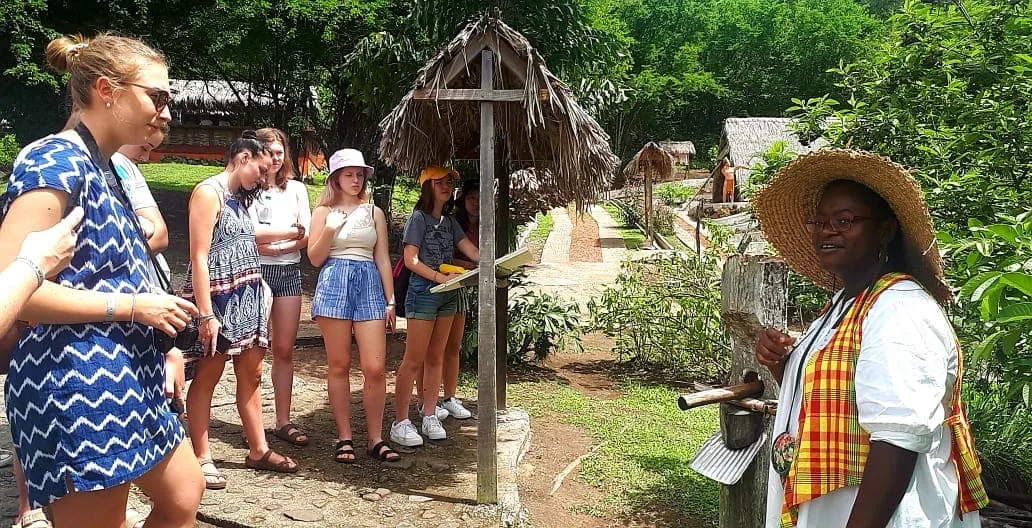
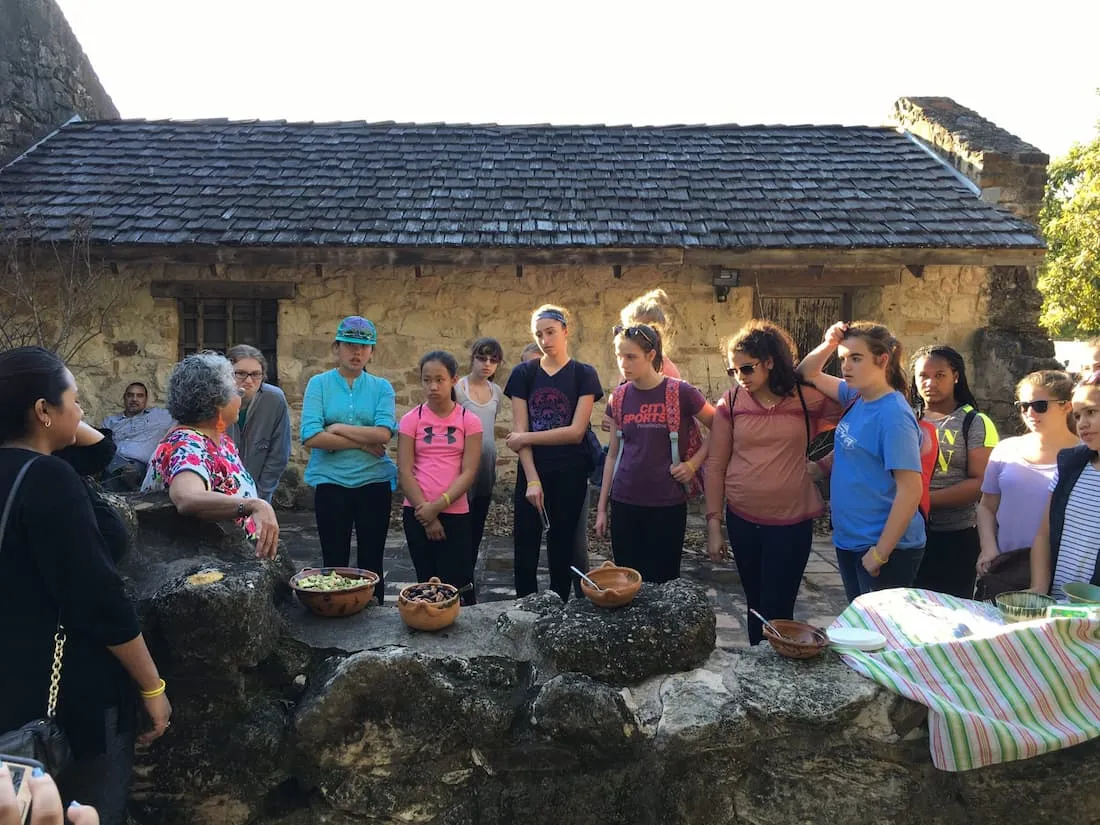
Biodiversity is closely connected with the people who live among Panama's natural environments. Student groups can gain valuable cultural insight by visiting communities, learning about local traditions, and hearing stories connected to the land. These interactions can demonstrate how communities depend on natural resources while also contributing to conservation efforts. Students may discover traditional knowledge involving plants, food, crafts, and local environments. Such experiences create a broader understanding of sustainability by showing that environmental protection is not simply a scientific concern but can also be deeply connected to cultural identity and community life.
Experiencing Panama City
Panama City offers a contrasting experience where students can explore urban development alongside historical and natural attractions. The city's modern skyline, historic neighborhoods, museums, and waterfront areas provide opportunities to discuss trade, architecture, geography, and cultural change. Students can examine how a growing city interacts with surrounding ecosystems and resources. Visits to historical areas can also introduce the country's complex cultural influences. Combining urban exploration with environmental activities gives students a more balanced perspective of Panama, demonstrating how history, modern society, economics, and nature continue to influence one another.
Making Biodiversity Lessons Engaging
Turning Observation Into Learning
The most effective student travel experiences encourage participants to actively observe, question, and discuss what they encounter. Teachers and guides can encourage students to record wildlife sightings, identify different habitats, compare ecosystems, and reflect on conservation challenges. Journaling, photography, group discussions, and educational activities can help transform observations into deeper understanding. These approaches allow students to participate rather than simply watch. Active involvement can also improve memory and encourage students to connect travel experiences with subjects such as biology, geography, environmental science, history, and social studies.
Encouraging Responsible Travel
Responsible travel practices can help students understand how visitors influence the places they explore. Simple actions such as avoiding litter, respecting wildlife, following designated trails, reducing unnecessary waste, and listening to local guidance can demonstrate responsible behavior. Students can learn that preserving biodiversity depends on countless small decisions made by individuals and communities. These habits may also encourage environmentally conscious behavior after returning home. A meaningful travel experience should therefore inspire students not only to appreciate nature but also to consider how their choices can contribute to protecting valuable environments.
Building Lasting Student Experiences
Developing Curiosity and Confidence
Traveling through diverse environments can help students become more curious and confident observers. New surroundings encourage them to ask questions, communicate with peers, and adapt to unfamiliar situations. Exploring natural habitats can also provide opportunities for teamwork when students complete activities or discuss discoveries together. These experiences support personal development while complementing academic goals. Students often remember moments when they encountered something unexpected, discovered a new species, or understood a concept through direct experience. Such memories can make travel a valuable part of their broader educational development.
Creating Meaningful Connections
A successful student journey combines exploration with opportunities for reflection and connection. Students can discuss what they learned about biodiversity, culture, conservation, and community life throughout their trip. Teachers can encourage participants to compare Panama's environmental challenges with those in their own communities. This process can help students recognize that ecological concerns are shared across countries and regions. Meaningful connections can also strengthen appreciation for cultural differences and encourage respectful international interaction. Travel becomes more valuable when students return home with new knowledge, broader perspectives, and questions that continue to inspire further study.
Conclusion
Panama provides an engaging setting where students can explore biodiversity, discover diverse ecosystems, and connect environmental topics with cultural experiences. Rainforests, coastlines, wildlife habitats, communities, and urban environments each contribute something different to the journey. Carefully planned Panama student travel experiences can encourage curiosity, responsibility, teamwork, and appreciation for conservation while supporting classroom subjects in practical ways. By combining these opportunities into a meaningful itinerary, Vamonos Tours can help student groups experience Panama as more than a destination, creating lasting memories and valuable insights into the natural and cultural world.





















Sign in to leave a comment.