

Hair loss can develop for several reasons, including hereditary factors, hormonal changes, ageing, stress, and certain medical conditions. As research into regenerative approaches continues, hair stem cell treatment has attracted attention for its potential role in supporting scalp health and hair restoration. This approach focuses on biological processes associated with tissue repair and follicular function. Its suitability depends on the individual’s hair loss pattern, scalp condition, medical history, and treatment goals. A professional assessment helps determine whether regenerative treatment may be appropriate or whether another hair restoration option would be more suitable.
How Regenerative Hair Treatments Work
Regenerative hair treatments aim to support the scalp’s natural environment by using biological material or cell-related approaches, depending on the specific procedure offered. Some treatments use processed tissue or cellular components to encourage repair processes, while others focus on improving conditions around existing follicles. The exact method varies, and not every treatment marketed as stem cell therapy contains stem cells or has the same scientific evidence. Understanding the procedure is therefore essential before making a decision. Patients should ask about the treatment method, available research, expected outcomes, and limitations during a consultation.
Potential Benefits for Hair and Scalp Health
Interest in regenerative approaches comes from their potential to support existing hair follicles and improve aspects of scalp health. Depending on the technique and the person’s condition, treatment may be considered as part of a broader plan for managing certain types of hair thinning. However, results cannot be guaranteed, and the evidence supporting different regenerative methods varies. Treatment may not restore hair in areas where follicles are no longer capable of producing hair. A detailed evaluation helps establish realistic expectations and clarify whether regenerative care, medication, or a surgical procedure may offer a more appropriate solution.
Identifying Suitable Candidates for Treatment
Suitability for regenerative hair care depends on several factors, including the cause of hair loss, the extent of thinning, overall health, and the condition of the scalp. Individuals experiencing early thinning may have different treatment options from those with advanced baldness or scarring-related hair loss. A qualified practitioner should review medical history, examine the scalp, and discuss previous treatments before recommending a plan. This assessment can also help identify underlying conditions that may require medical attention. Patients should avoid choosing a procedure solely because of promotional claims and should prioritise personalised advice supported by appropriate evidence.
Hair Stem Cell Treatment and Other Restoration Options
Regenerative care is one of several approaches available for people concerned about hair thinning. Depending on the diagnosis, options may include prescribed medication, platelet-based procedures, low-level laser approaches, or hair transplantation. Each option has a different purpose, evidence base, and suitability profile. For example, a surgical procedure relocates follicles from a donor area, whereas non-surgical treatments generally aim to support existing hair or manage ongoing thinning. Exploring the available hair restoration treatments can help patients understand these differences and prepare informed questions before deciding on a treatment pathway.
The Importance of Professional Assessment
A professional consultation is an important step before beginning any regenerative procedure. During the appointment, the practitioner can review the pattern of hair loss, assess donor and recipient areas where relevant, and discuss medical factors that may influence treatment. The consultation should also explain what the procedure involves, how outcomes will be monitored, and what risks or uncertainties may apply. Patients should receive clear information about practitioner qualifications, the source and processing of any biological material, and the evidence supporting the proposed method. Transparent communication supports informed consent and helps prevent unrealistic expectations about potential results.
Understanding the Treatment Process
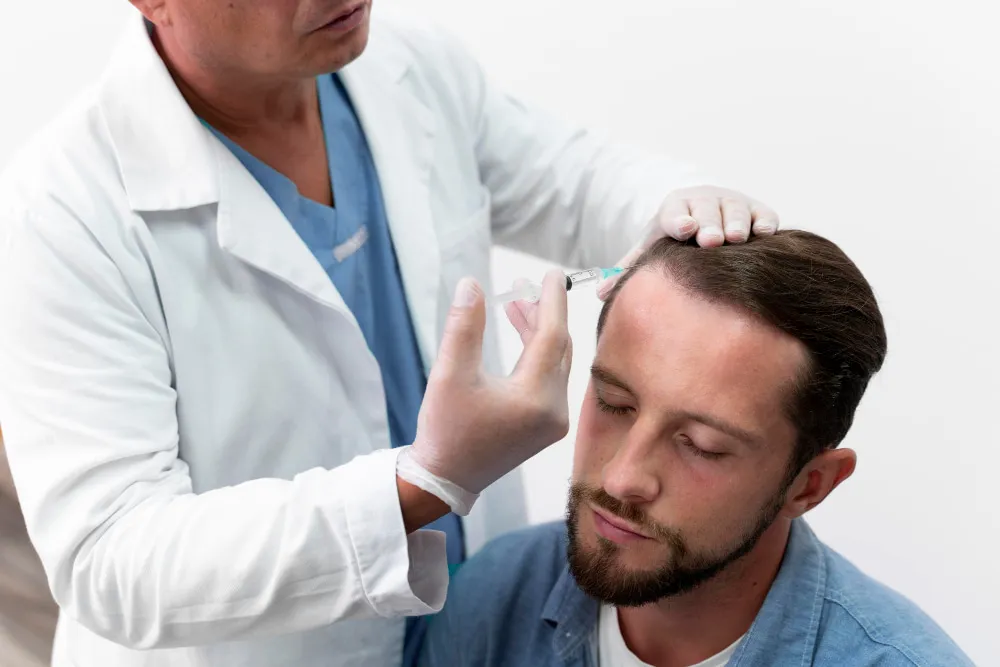
The process varies according to the specific regenerative technique being offered. Some procedures may involve collecting a small tissue sample or blood sample, processing the material, and applying or introducing it to selected areas of the scalp. Other approaches may use different methods and preparation protocols. Before treatment, patients should receive instructions about preparation, discomfort, aftercare, and any activities that may need to be limited temporarily. They should also be told how many sessions may be proposed and why. Since protocols differ, the exact steps should always be confirmed directly with the treating practitioner rather than assumed from the treatment name.
Recovery, Aftercare, and Follow-Up
Aftercare depends on the procedure performed and the individual’s response. Temporary tenderness, redness, swelling, or irritation may occur with some treatments, although the possible effects differ between techniques. Patients should follow the practitioner’s instructions regarding scalp washing, hair products, exercise, and sun exposure. Follow-up appointments can help assess scalp condition, document changes, and review whether further care is appropriate. Hair growth occurs gradually, so early changes should not be mistaken for a final result. Any unexpected pain, worsening redness, discharge, fever, or other concerning symptoms should be reported promptly to a qualified healthcare professional.
Setting Realistic Expectations About Results
Regenerative hair care should not be presented as a guaranteed cure for hair loss. Outcomes can vary according to the underlying cause, the condition of the follicles, the technique used, and individual biological differences. Scientific evidence for treatments described as stem cell-based remains variable, and some approaches are still under investigation. Patients should ask for published evidence relevant to the exact procedure being offered rather than relying on general claims about stem cells. Photographs, testimonials, and marketing materials may not predict an individual outcome. A responsible treatment plan includes realistic goals, transparent discussion of uncertainty, and appropriate follow-up.
Combining Regenerative Care With a Wider Hair Plan
Hair loss management sometimes involves more than one approach, particularly when thinning has several contributing factors. A practitioner may discuss whether a regenerative procedure could be considered alongside established medical care or whether a different option is more suitable. Combining treatments should only occur when clinically appropriate, with attention to potential interactions, timing, and individual needs. Patients should not stop prescribed medication or begin additional therapies without professional advice. A coordinated plan can also include monitoring hair density, reviewing scalp health, and reassessing progress over time. This approach supports informed decisions instead of relying on a single procedure to address every concern.
Choosing an Informed Path Towards Hair Restoration
Selecting a hair restoration approach requires careful consideration of safety, evidence, cost, suitability, and personal expectations. Patients should compare the proposed benefits with known limitations and ask whether the treatment is established, experimental, or supported by limited clinical research. It is also sensible to understand the total cost, possible need for repeat sessions, follow-up arrangements, and alternatives before committing. Information about a provider’s background and treatment philosophy can be reviewed through its about page, while a consultation offers an opportunity to discuss individual concerns. Careful research helps patients make decisions based on credible information rather than promises of rapid results.
Conclusion
Hair stem cell treatment represents an area of continuing interest in regenerative hair care, but its benefits depend on the exact procedure, the individual’s condition, and the strength of the available evidence. A thorough assessment, realistic expectations, and clear information about safety are essential before treatment begins. Patients should compare regenerative approaches with established medical and surgical options and seek advice from appropriately qualified professionals. For those exploring possible hair restoration pathways, Este Medical Group Cosmetic Surgery can be a starting point for discussing available options, understanding their suitability, and considering an individualised approach to hair loss management.
















Sign in to leave a comment.