

Muscle cramps can interrupt sleep, exercise, work, and ordinary daily activities without much warning. These sudden contractions may affect the calves, feet, thighs, or other muscle groups and can range from mild tightness to significant discomfort. Because magnesium plays an important role in normal muscle and nerve function, many people explore topical products as part of their personal care routines. Magnesium cream for muscle cramps is one option that has attracted attention, although current research does not establish topical magnesium as a proven solution for every type of muscle cramp.
Understanding Muscle Cramps
A muscle cramp occurs when a muscle contracts involuntarily and temporarily remains tight. The experience can happen during physical activity, while resting, or during sleep, and the duration may vary from several seconds to several minutes. Cramps can affect healthy individuals and may sometimes occur without an obvious explanation. Physical exertion, muscle fatigue, changes in activity, certain medications, and some medical conditions can all be associated with cramping. Understanding the circumstances surrounding cramps can help people recognize patterns and determine when additional evaluation may be appropriate.
Why Cramps Can Be Difficult to Prevent
Muscle cramps do not have one universal cause, which makes prevention challenging. A person who develops cramps after strenuous exercise may have different contributing factors from someone who experiences repeated nighttime leg cramps. Age, physical conditioning, activity levels, medications, fluid balance, and underlying health conditions can influence symptoms. This variation is one reason a single supplement or topical product cannot be expected to work for everyone. A broader approach that considers daily habits and individual circumstances can provide a more practical foundation for managing recurring muscle discomfort.
The Connection Between Magnesium and Muscles
Magnesium is an essential mineral involved in many biological processes, including normal nerve signaling and muscle function. It works alongside other electrolytes that contribute to the body's ability to regulate muscle contraction and relaxation. Because of this physiological role, magnesium has long been investigated as a possible option for people experiencing muscle cramps. However, having an important role in normal muscle function does not automatically mean that additional magnesium will prevent cramps in people who already consume adequate amounts through their diet.
Magnesium Intake and Overall Nutrition
Adequate magnesium intake is generally obtained through a varied diet containing foods such as nuts, seeds, legumes, whole grains, and leafy green vegetables. Individual nutritional needs can vary according to age, sex, life stage, and health circumstances. Some people may have a greater risk of inadequate magnesium intake because of dietary limitations, gastrointestinal conditions, certain medications, or other factors. When a deficiency is suspected, professional evaluation can be more informative than assuming cramps are caused by insufficient magnesium. Nutrition should therefore be considered as part of the larger picture of muscle health.
What Is Magnesium Cream?
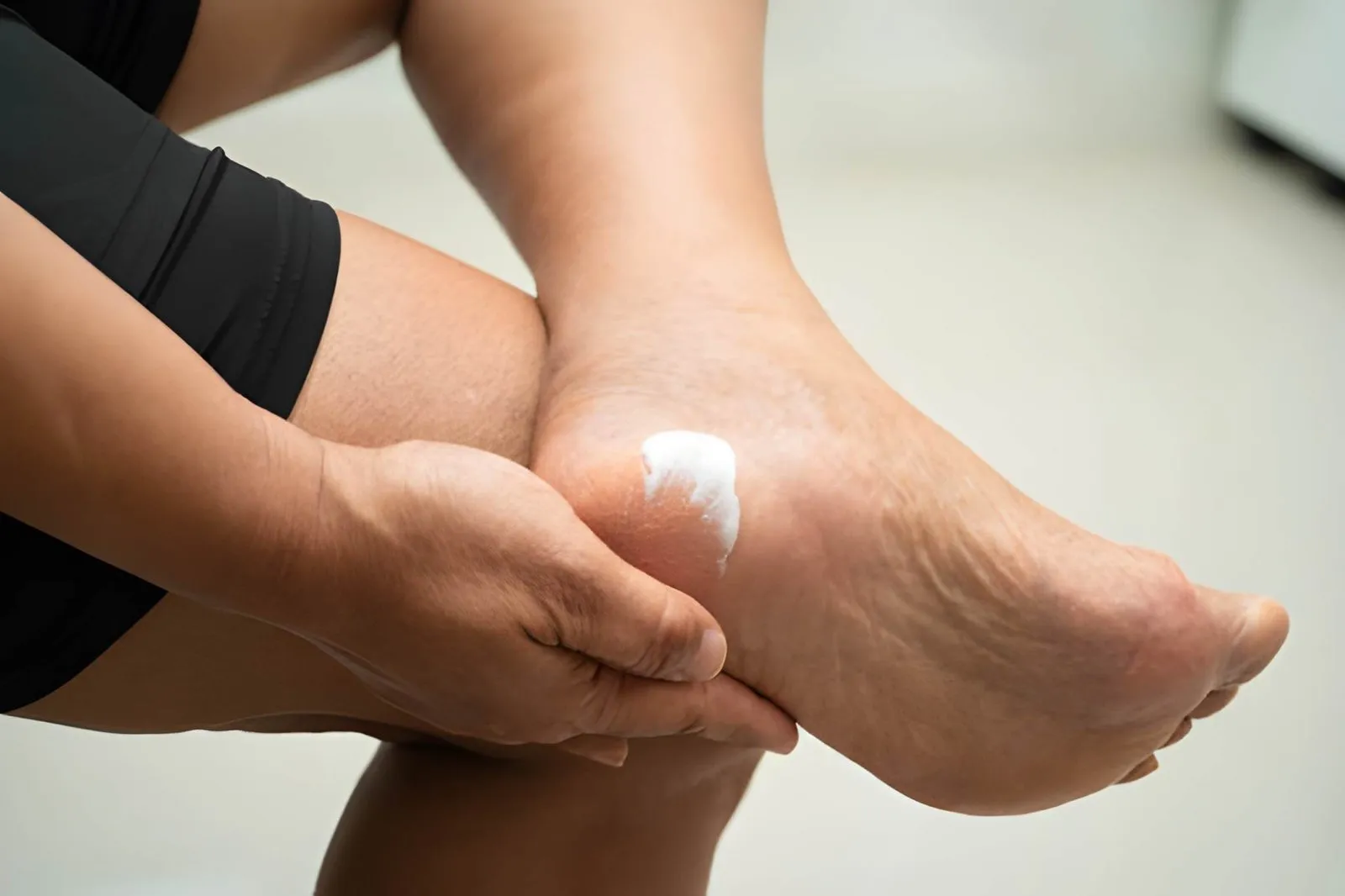
Magnesium cream is a topical preparation that contains a magnesium compound incorporated into a cream or lotion base. Instead of being consumed as a tablet, capsule, powder, or liquid, the product is applied externally to the skin. Formulations can vary considerably, so the concentration of magnesium and the supporting ingredients may differ between products. People may choose topical preparations because they are easy to incorporate into a personal care routine. However, the presence of magnesium in a topical formulation does not by itself establish how much magnesium enters the body or what effect it may have.
How Topical Magnesium Is Used
Topical magnesium products are generally intended to be applied to the skin according to their specific directions. Some people incorporate them into evening routines, post activity care, or general body care. Application may involve gently spreading the product over an area where temporary muscle discomfort is experienced. The physical act of massage can itself be relaxing, which means the overall experience may involve more than the topical ingredient. Users should follow product instructions carefully and avoid applying preparations to areas where the skin is damaged, irritated, or unusually sensitive.
What Does Research Say About Magnesium and Cramps?
Research on magnesium supplementation and muscle cramps has produced mixed findings. A Cochrane review found that magnesium was unlikely to provide a clinically meaningful preventive benefit for skeletal muscle cramps in older adults. The review also noted that evidence involving pregnancy related cramps was conflicting and that research on exercise associated cramps was lacking. These findings primarily concerned magnesium supplementation rather than topical creams. Consequently, results from oral magnesium studies cannot automatically be interpreted as evidence that a magnesium cream will prevent or relieve ordinary muscle cramps.
Evidence Specific to Topical Magnesium
Evidence examining topical magnesium remains limited compared with research involving oral supplementation. A small pilot study involving six people with an ileostomy and documented low magnesium levels investigated a topical magnesium chloride preparation. Five participants reported improvement or complete resolution of muscle cramps during the study. Although these observations are notable, the study was very small and involved a specific medical population with low magnesium levels. Its results cannot establish that topical magnesium will produce the same experience for people with ordinary muscle cramps and no diagnosed deficiency.
Why Individual Experiences Can Differ
People may report different experiences when using topical products for muscle comfort, and several factors can influence those experiences. The underlying cause of the cramping, activity level, expectations, massage technique, hydration, sleep, and general health can all play a role. A soothing application routine may also feel beneficial even when the specific effect of magnesium itself is uncertain. Personal experiences can be meaningful to the individual, but they do not replace controlled clinical evidence. This distinction helps people approach topical magnesium with realistic expectations while still allowing room for personal preferences.
The Importance of Realistic Expectations
A topical magnesium product can be viewed as one part of an everyday self care routine rather than a guaranteed treatment. Research does not currently support the assumption that every muscle cramp results from magnesium deficiency or that adding magnesium will automatically stop cramps. Keeping expectations realistic can prevent unnecessary reliance on a single approach. People who experience occasional cramps may find that general muscle care practices are useful alongside their preferred topical routine. Persistent, severe, or unusual symptoms should receive appropriate medical attention rather than being managed solely with an over the counter product.
Using Magnesium Cream as Part of Daily Care
For people interested in topical magnesium, consistency and proper application are more important than using excessive amounts. The directions supplied with the specific preparation should determine how much product is applied and how frequently it is used. Applying the cream to clean, intact skin may help maintain a straightforward routine, depending on the product instructions. Some people may prefer using a topical product after bathing or before bedtime. Establishing a consistent routine can make it easier to observe whether the overall experience provides useful comfort without assuming that every improvement is caused by magnesium.
Combining Application With Gentle Massage
Gentle massage can be incorporated into topical application when appropriate. Light pressure may help create a relaxing self care experience, particularly after ordinary physical activity or a long day. However, aggressive massage is not appropriate for every type of pain or injury. Areas that are swollen, bruised, significantly inflamed, or acutely injured may require professional evaluation instead. The goal of routine application should be comfort rather than forceful manipulation. If a particular movement consistently increases pain, the activity should be stopped and the underlying problem should be assessed.
Supporting Muscle Comfort Through Everyday Habits
A topical routine is only one possible part of maintaining general muscle comfort. Regular movement, appropriate conditioning, adequate recovery, and gentle stretching when suitable can contribute to healthy physical habits. People who suddenly increase their exercise intensity may benefit from progressing gradually rather than placing an immediate heavy demand on unconditioned muscles. Rest can also matter, especially after strenuous activity. These measures cannot guarantee that cramps will disappear, but they can help support a balanced approach to physical activity and reduce the tendency to depend entirely on one supplement or topical product.
Staying Adequately Hydrated
Fluid intake is another factor that may deserve attention, particularly during exercise or periods of substantial sweating. The relationship between hydration and muscle cramps is complex, and not every cramp can be explained by dehydration. Still, maintaining appropriate fluid intake supports normal body function. People exercising in hot environments may have different fluid requirements from those spending most of the day indoors. Individual medical circumstances can also affect recommended fluid intake. Anyone with a condition requiring fluid restriction should follow guidance from a qualified healthcare professional instead of adopting a generalized hydration strategy.
Considering Diet and Mineral Balance
Magnesium is only one of several minerals involved in normal physiological processes. Calcium, potassium, and sodium also have important roles in nerve and muscle function. This means that focusing exclusively on magnesium may overlook other nutritional or physiological factors. A balanced eating pattern can provide a range of essential nutrients while supporting overall health. People who have restrictive diets or concerns about nutrient deficiencies may benefit from discussing their food intake with a qualified professional. Laboratory testing may sometimes be considered when symptoms or medical history suggest that an underlying deficiency deserves investigation.
Why Supplements Should Not Replace Evaluation
Repeated muscle cramps may sometimes have causes that require more than dietary changes or topical products. Certain medications, nerve problems, circulation issues, metabolic conditions, and other health concerns can be associated with muscle symptoms. A person experiencing frequent or progressively worsening cramps should therefore consider discussing the symptoms with a healthcare professional. This is especially important when cramping occurs alongside weakness, numbness, swelling, persistent pain, or other unusual symptoms. Identifying the reason for recurring symptoms can provide more useful information than repeatedly trying different products without understanding the underlying issue.
Skin Considerations When Using Topical Products
Topical magnesium products are applied directly to the skin, so skin tolerance should be considered separately from the potential effects of magnesium itself. Some people may experience temporary stinging, redness, itching, dryness, or irritation from topical formulations. Other ingredients in a cream can also contribute to sensitivity. People with particularly sensitive skin may want to review the complete ingredient list before use. Following the recommended application amount can help avoid unnecessary exposure. If substantial irritation develops, discontinuing the product and seeking appropriate advice can help prevent the problem from becoming more severe.
Areas to Avoid
Unless a product specifically states otherwise, topical preparations should generally not be applied to broken, infected, or severely irritated skin. Contact with the eyes and other sensitive areas should also be avoided. People with known allergies should check the ingredient list carefully before applying a new formulation. A small test area may be considered when product directions permit it, particularly for people concerned about sensitivity. Any persistent or severe skin reaction deserves appropriate attention. Safe topical use involves paying attention to both the intended application area and the individual's skin response.
When Muscle Cramps May Need Medical Attention
Occasional cramps are common, but certain patterns warrant greater attention. Frequent episodes, unusually severe pain, persistent symptoms, or cramps accompanied by weakness or numbness may indicate that further assessment is appropriate. Sudden swelling, changes in skin color, significant injury, or symptoms that interfere repeatedly with normal activities can also justify professional evaluation. People taking medications that may influence electrolyte levels should discuss recurring cramps with their healthcare provider. Instead of assuming that magnesium is the solution, a professional can consider the broader medical and lifestyle context.
Keeping Track of Symptoms
A simple symptom record can help identify patterns in recurring cramps. Useful information may include the time of day, affected muscle, duration, recent physical activity, fluid intake, sleep quality, medication changes, and any other symptoms. Recording whether cramps occur during exercise or while resting can also provide helpful context. If a topical product is being used, noting when it is applied and whether symptoms appear to change can make personal observations more organized. Such information does not establish cause and effect, but it can give a healthcare professional more useful background during an evaluation.
Building a Practical Self Care Routine
A practical muscle care routine does not need to rely on one product or one nutrient. Gentle movement, appropriate exercise progression, recovery time, balanced nutrition, adequate fluid intake, and attention to recurring symptoms can all contribute to a broader approach. A topical cream may be included if it fits comfortably into the individual's routine and is used according to its directions. The most useful approach is often one that remains simple and sustainable. When symptoms persist despite reasonable self care, professional guidance can help determine whether a different strategy is needed.
Final Thoughts
Exploring magnesium cream for muscle cramps can be reasonable for people interested in adding a topical product to an everyday comfort routine, but current evidence does not establish topical magnesium as a reliable treatment for ordinary muscle cramps. Research on magnesium supplementation has produced mixed results, while direct research on topical preparations remains limited. A thoughtful approach combines realistic expectations with healthy daily habits and attention to persistent symptoms. For individuals considering topical magnesium as part of personal care, HiRelief can be included in a routine that emphasizes informed product use and responsible attention to ongoing muscle concerns.



























Sign in to leave a comment.