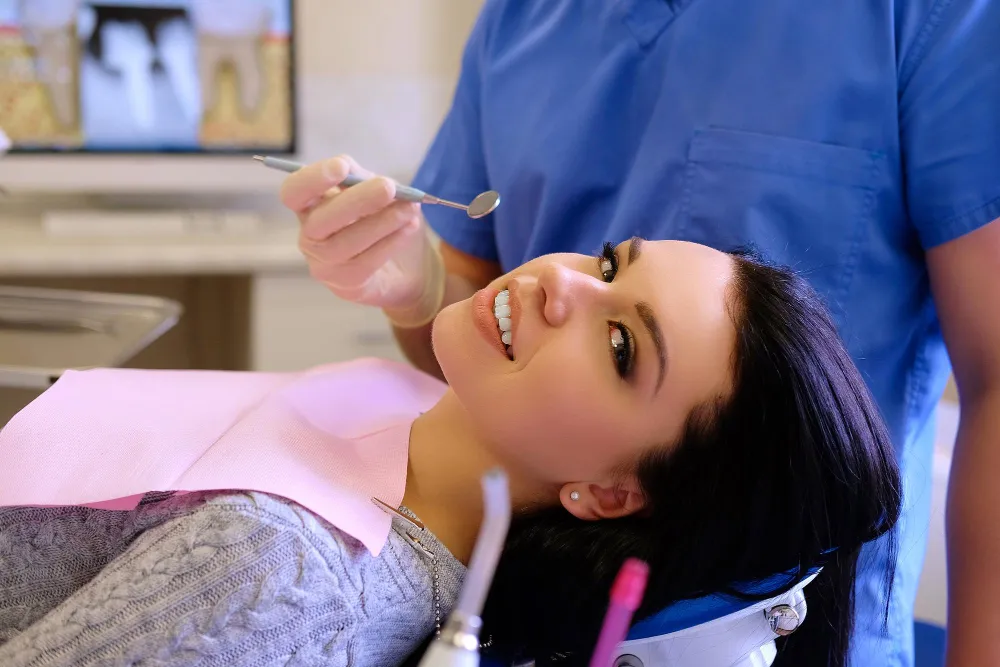

A balanced smile can influence confidence, comfort and the way a person feels about their appearance. When teeth have small chips, uneven edges, minor gaps or differences in shape, cosmetic dental options may provide a way to improve their appearance. Many people begin their search by considering accessible local treatment options that fit naturally into their routine. Composite bonding near me can be a useful search for individuals exploring a convenient way to discuss smile enhancement with a dental professional. A consultation allows the condition of the teeth to be assessed and suitable options to be considered.
Understanding Composite Bonding
Composite bonding involves applying tooth coloured composite material to selected areas of a tooth to alter its shape or appearance. The material can be carefully shaped to create a more balanced result and then finished to complement the surrounding teeth. The technique can be relatively conservative because little or no natural tooth structure may need to be removed in suitable cases. UCLH describes composite as a tooth coloured material that can be bonded directly to the tooth and shaped to improve appearance.
How Bonding Can Alter Tooth Shape
Composite material can be carefully added to areas where teeth appear uneven, worn or slightly irregular. The dentist can shape the material to create a smoother outline and more harmonious appearance. The extent of reshaping depends on the existing tooth structure and the individual's desired outcome. Because every smile is different, an assessment is important before treatment is considered. A dental professional can determine whether bonding is appropriate and explain what level of improvement may realistically be achieved.
Reasons People Consider Smile Enhancement
People may consider cosmetic dental treatment for different reasons. Some may feel self conscious about chipped edges, while others may want to address small gaps or uneven tooth shapes. Minor changes can sometimes make a noticeable difference to the overall appearance of a smile. Composite bonding may be considered where suitable because it can allow material to be added directly to the tooth. The appropriate approach depends on factors such as oral health, tooth condition, bite and the specific cosmetic concern being addressed.
Addressing Minor Imperfections
Small imperfections can affect how a person perceives their smile, even when the teeth are otherwise healthy. Bonding may be considered for suitable concerns involving shape, length or minor surface irregularities. A dental professional can examine the teeth and determine whether composite material can provide an appropriate solution. It is important that cosmetic goals remain realistic and compatible with oral health. Treatment should focus on creating a natural looking result rather than simply making individual teeth appear noticeably different.
The Importance of a Dental Assessment
A dental assessment should generally come before cosmetic bonding. The condition of the teeth and gums needs to be considered to determine whether treatment is suitable. Existing decay, gum problems or other concerns may need attention before cosmetic work begins. Dental treatment decisions should be based on an appropriate professional assessment and clear discussion of the available options. NHS guidance states that patients should be informed about the risks, benefits and likely outcomes of proposed treatment before proceeding.
Checking Existing Oral Health
Healthy foundations can be important when considering cosmetic treatment. A dentist can examine the teeth for signs of decay, damage or other concerns and assess the surrounding gums. If an underlying issue is identified, addressing it first may be more appropriate than immediately proceeding with cosmetic enhancement. This approach helps ensure that treatment decisions consider both appearance and oral health. Patients should be encouraged to discuss any discomfort, sensitivity or changes they have noticed before considering bonding.
Creating a Natural Looking Smile
One of the aims of cosmetic bonding can be to create an improvement that complements the existing smile. Composite material can be selected and shaped to blend with surrounding teeth. The dentist may consider tooth proportions, facial features, existing tooth colour and the overall arrangement of the smile. A natural result generally requires careful attention to detail rather than simply adding material. UCLH notes that dental composite is available in different colours and can be used to provide a natural appearance.
Considering Tooth Proportions
The size and shape of individual teeth can influence how balanced a smile appears. When composite is added, the dentist can consider the relationship between neighbouring teeth rather than treating one tooth in isolation. Small changes in length, width or contour may influence the overall appearance. Careful planning can therefore be important when several teeth are being considered. A consultation allows the individual to discuss their concerns and understand how proposed changes may affect the appearance of their smile.
Considering Composite Bonding for Chipped Teeth
Chipped teeth can sometimes alter the appearance of an otherwise healthy smile. Depending on the extent and location of the damage, composite material may be considered to rebuild a small area and restore a smoother outline. The appropriate treatment depends on the condition of the tooth and whether there is any underlying damage. A professional examination can help determine whether bonding is suitable. More significant damage may require a different restorative approach, so treatment should always be based on individual assessment.
Restoring a Smoother Edge
A small chip can make the edge of a front tooth appear uneven or irregular. Composite bonding may allow a dentist to rebuild the affected area and carefully shape the material to match the surrounding tooth. The final appearance can depend on factors such as the size of the chip, tooth colour and the condition of the remaining enamel. Patients should understand that bonding is not suitable for every type of damage. A dental professional can explain the available alternatives where necessary.
Considering Minor Gaps
Small spaces between teeth can be a cosmetic concern for some individuals. In selected cases, composite material may be used to alter the appearance of a gap by adding carefully shaped material to the neighbouring teeth. The suitability of this approach depends on the size of the gap, tooth position, bite and overall oral health. A dental assessment is therefore important before treatment. Where tooth movement or alignment is the main concern, orthodontic treatment may be more appropriate.
Understanding Individual Suitability
Not every gap should be treated through cosmetic bonding. The reason for the space and the way the teeth meet can influence the most suitable option. A dentist can assess the bite and surrounding structures before recommending treatment. In some cases, closing a gap cosmetically may be possible, while in others, orthodontic treatment could provide a more appropriate long term approach. Discussing expectations openly can help patients understand the advantages and limitations of each option.
Exploring a Conservative Cosmetic Option
Composite bonding can be considered a conservative approach in suitable situations because it may require minimal alteration to natural tooth structure. UCLH describes direct composite treatment as a conservative method and notes that very little, if any, tooth surface may need to be removed with a drill. This can make bonding appealing to individuals who want to improve the appearance of selected teeth without extensive preparation. However, suitability depends on the individual tooth and the proposed treatment.
Preserving Natural Tooth Structure
Preserving natural tooth structure can be an important consideration when discussing cosmetic dental treatment. The amount of preparation required varies between procedures and individual cases. Composite bonding may involve adding material directly to the tooth rather than creating a separate covering. A dentist can explain how much preparation is expected and whether any alternatives would be more suitable. Patients should consider both the immediate cosmetic result and the longer term maintenance requirements before making a decision.
Understanding the Treatment Process
The treatment process can vary depending on the number of teeth involved and the desired result. After assessment and planning, the dentist can select a suitable composite shade and apply the material to the relevant tooth surfaces. The material can then be shaped and refined before being set and polished. The final result should be assessed in relation to the surrounding teeth. Patients can discuss the planned changes during their consultation so they understand what the treatment is intended to achieve.
Planning the Desired Result
Good communication can help establish realistic expectations before treatment. Individuals may have particular concerns about tooth length, shape or symmetry, and these should be discussed during the consultation. A dentist can explain which changes are achievable and whether bonding is appropriate for the desired outcome. Photographs or other planning methods may sometimes be used as part of cosmetic assessment. Careful planning can help ensure that treatment is guided by the individual's facial features and existing smile rather than by an unrealistic standard.
Maintaining Composite Bonding
After treatment, maintaining good oral hygiene can help support the condition of the teeth and surrounding gums. Brushing with fluoride toothpaste and cleaning between the teeth remain important. Composite material can also benefit from sensible habits that reduce unnecessary stress on the restored areas. Patients should follow the specific aftercare advice provided by their dental professional. Regular examinations can help monitor both the bonded teeth and the wider condition of the mouth.
Protecting the Bonded Areas
Individuals should be mindful of habits that may place excessive pressure on bonded teeth. Biting hard objects, opening packaging with the teeth or repeatedly chewing particularly hard foods can increase the risk of damage. Good oral hygiene should remain a priority because bonding does not replace the need for normal dental care. If a bonded area becomes chipped, loose or damaged, the individual should contact a dental professional for assessment and advice about repair or replacement.
Understanding the Longevity of Bonding
Composite bonding can provide a useful cosmetic improvement, but it is not necessarily permanent. The lifespan of the material can vary according to factors such as the location of the bonding, biting forces, oral hygiene and individual habits. Some bonded areas may eventually require polishing, repair or replacement. Understanding this before treatment can help individuals develop realistic expectations. A dentist can explain the likely maintenance requirements and discuss how the proposed treatment fits with the individual's long term dental goals.
Planning for Future Maintenance
Cosmetic treatment should be considered as part of an ongoing approach to oral health. Individuals can help maintain bonded teeth through regular cleaning, routine dental examinations and sensible habits. Professional assessments can identify changes to the material or surrounding teeth and determine whether maintenance is needed. Patients should also understand that composite may gradually show wear or changes in appearance. Discussing future maintenance during the initial consultation can help individuals make a more informed decision.
Comparing Bonding with Other Cosmetic Options
Composite bonding is only one possible approach to improving the appearance of teeth. Depending on the concern, alternatives may include whitening, orthodontic treatment, veneers or restorative procedures. The most suitable option depends on the individual's dental condition and desired outcome. NHS guidance explains that veneers are thin coverings placed over the front of teeth and that cosmetic treatments are generally provided privately when they are not clinically necessary. Comparing options with a dental professional can help individuals understand their differences.
Choosing Based on Individual Needs
There is no single cosmetic treatment that suits every smile. A person with mild tooth discolouration may consider whitening, while someone with a small chip may benefit from bonding. Individuals with more significant alignment concerns may need orthodontic assessment. Veneers may be considered in other circumstances where appropriate. A dental professional can assess the teeth and explain the potential benefits and limitations of different approaches. Making a decision based on individual circumstances can lead to more realistic expectations.
The Importance of Choosing Local Dental Support
Searching for a local provider can make it easier to arrange consultations and attend follow up appointments when necessary. Convenience may be particularly useful for cosmetic treatments that require assessment, treatment and later review. However, location should be considered alongside professional qualifications, communication, treatment planning and the services available. Individuals can ask questions about the procedure, expected outcome and maintenance requirements before committing to treatment. A convenient location can support continuity, but suitability and professional care remain important factors.
Looking Beyond Convenience
A search for composite bonding near me can be a useful starting point, but individuals should not base their decision solely on distance. It can be valuable to understand the provider's approach to assessment, treatment planning and aftercare. Patients should also receive clear information about costs and the available options. NHS guidance states that dentists should make treatment options and relevant costs clear before treatment begins where applicable. Considering these factors can help individuals choose appropriate cosmetic dental support.
Setting Realistic Expectations
Cosmetic bonding can improve the appearance of selected teeth, but it cannot necessarily address every concern. The final result depends on the original tooth shape, colour, position and surrounding structures. Individuals should discuss their expectations honestly during the consultation. A dental professional can explain what can reasonably be achieved and whether another treatment may provide a more suitable result. Clear expectations can help patients appreciate the improvement while understanding that cosmetic treatment has practical limitations.
Discussing Desired Changes
Before treatment, patients can identify the aspects of their smile that concern them most. This might include uneven edges, small chips, minor gaps or differences in tooth shape. Discussing these concerns allows the dentist to consider the overall smile rather than focusing only on individual teeth. The professional can then explain possible approaches and whether bonding is appropriate. Taking time to understand the proposed result can make the decision process more comfortable and informed.
Supporting Long Term Oral Health
Cosmetic improvements should always be considered alongside general oral health. Composite bonding does not remove the need for regular examinations, brushing, interdental cleaning and appropriate dietary habits. The surrounding natural teeth still need ongoing protection from decay and gum disease. Regular professional care can help monitor the condition of both bonded and untreated teeth. Maintaining good oral health can also help preserve the appearance and function of the smile over time.
Combining Cosmetic and Preventive Care
A balanced approach combines cosmetic goals with preventive dental care. Individuals can enjoy the appearance of improved tooth shape while continuing to focus on healthy gums and natural teeth. Regular dental examinations can help identify issues early and provide opportunities to review existing cosmetic work. Daily brushing and interdental cleaning remain essential. When cosmetic treatment forms part of a wider oral health routine, individuals can take a more responsible approach to maintaining their smile.
Final Thoughts
Composite bonding can provide a subtle way to improve the appearance of suitable teeth by addressing concerns such as small chips, minor gaps and uneven shapes. A careful assessment is important because treatment suitability depends on individual oral health, tooth condition and cosmetic goals. Searching for composite bonding near me can help individuals explore accessible local options and arrange a professional consultation. Comparing treatment choices, understanding maintenance requirements and setting realistic expectations can support informed decision making. The DenCare Clinic can provide professional guidance for individuals considering composite bonding as part of their smile enhancement journey.























Sign in to leave a comment.