

Introduction
The frozen food market has undergone a remarkable transformation in recent years, evolving from its humble beginnings as a convenient solution for preserving perishable goods to a thriving industry offering a diverse array of options to consumers worldwide. We embark on a journey to uncover the nuances, trends, and innovations shaping the frozen food market, delving into its history, current landscape, challenges, and future prospects.
A Brief History of Frozen Food
The concept of freezing food for preservation dates back centuries, with ancient civilizations using ice and snow to preserve perishable items. However, it wasn't until the 19th century that significant advancements in refrigeration technology paved the way for the mass production and distribution of frozen food.
The first commercially successful venture into frozen food occurred in the early 20th century, with Clarence Birdseye revolutionizing the industry by developing a method of flash-freezing foods to preserve their quality. This breakthrough laid the foundation for the modern frozen food market, enabling the widespread availability of frozen fruits, vegetables, meats, and prepared meals.
Market Dynamics and Trends
Today, the frozen food market is a dynamic and rapidly evolving sector of the food industry, driven by shifting consumer preferences, technological advancements, and changing lifestyles. Several key trends are shaping the landscape of the frozen food market:
Health and Wellness: With increasing awareness of nutrition and wellness, consumers are seeking healthier frozen food options that are low in preservatives, sodium, and artificial additives. This trend has led to the emergence of a wide range of organic, gluten-free, and plant-based frozen food products catering to health-conscious consumers.
Convenience: Busy lifestyles and hectic schedules have fueled the demand for convenient meal solutions, driving the growth of frozen ready-to-eat meals, snacks, and appetizers. From microwaveable dinners to single-serve portions, frozen foods offer quick and easy meal solutions for consumers on the go.
Premiumization: As consumers become more discerning in their food choices, there is a growing demand for premium frozen food products that offer high-quality ingredients, gourmet flavors, and restaurant-style experiences. This trend has led to the development of upscale frozen meals, artisanal desserts, and gourmet frozen pizzas targeting affluent consumers willing to pay a premium for superior quality.
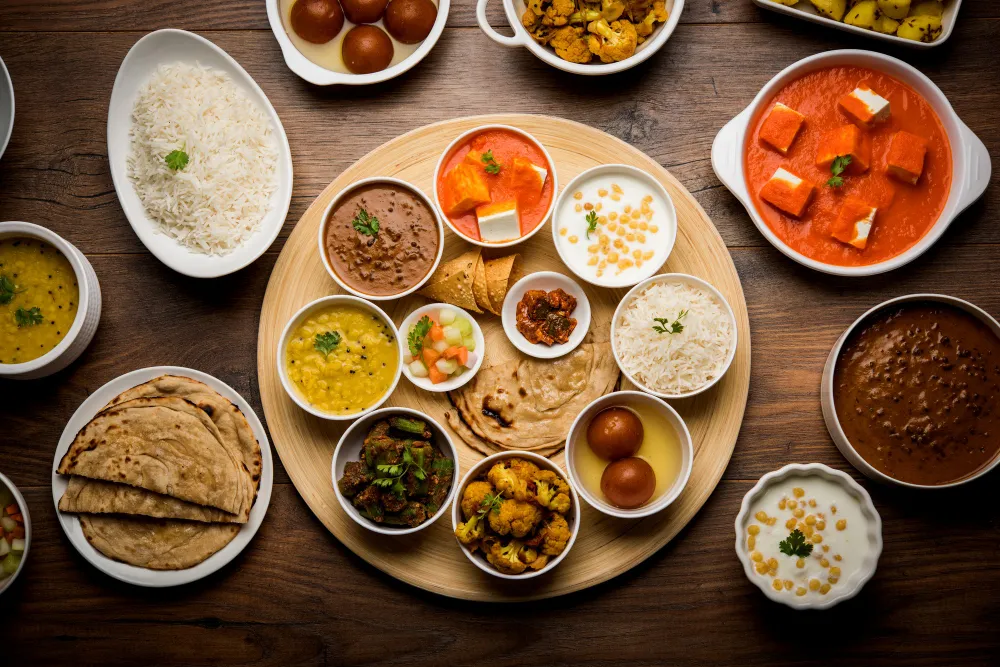
Ethnic and Global Flavors: The popularity of ethnic cuisines and global flavors is driving innovation in the frozen food market, with manufacturers introducing a diverse range of international-inspired dishes and fusion cuisine. From Thai curry to Mexican street tacos, frozen food aisles are now filled with a variety of multicultural offerings catering to diverse palates.
Sustainability: Environmental concerns and eco-conscious consumerism are influencing the sustainability practices of frozen food manufacturers, leading to the development of eco-friendly packaging, responsibly sourced ingredients, and reduced carbon footprint throughout the supply chain. Sustainability has become a key differentiator for brands looking to appeal to environmentally conscious consumers.
Challenges and Opportunities
Despite its continued growth and popularity, the frozen food market faces several challenges that necessitate adaptation and innovation:
Perception: One of the persistent challenges facing the frozen food industry is the perception that frozen meals are inferior in quality and nutrition compared to fresh alternatives. Overcoming this perception requires proactive marketing efforts to educate consumers about the nutritional value, convenience, and freshness of frozen food products.
Competition: The frozen food market is highly competitive, with a multitude of brands vying for consumer attention and market share. To stand out in a crowded marketplace, companies must differentiate their products through innovation, branding, and strategic partnerships.
Health Concerns: While frozen foods offer convenience and long shelf life, some consumers are wary of potential health risks associated with preservatives, additives, and sodium content. Addressing these concerns requires a commitment to transparency, clean labeling, and the use of natural ingredients.
Supply Chain Disruptions: Like many industries, the frozen food market is vulnerable to supply chain disruptions caused by factors such as natural disasters, geopolitical tensions, and pandemics. To mitigate these risks, companies must invest in robust supply chain management strategies, diversify sourcing options, and implement contingency plans to ensure continuity of operations.
Despite these challenges, the frozen food market also presents numerous opportunities for growth and innovation:
Technological Advancements: Advances in freezing technology, packaging solutions, and food preservation techniques are enabling manufacturers to enhance the quality, flavor, and nutritional value of frozen food products. From cryogenic freezing to vacuum sealing, innovation is driving the evolution of the frozen food industry.
E-Commerce: The rise of e-commerce platforms and online grocery delivery services has expanded the reach and accessibility of frozen food products, allowing consumers to shop for their favorite frozen meals from the comfort of their homes. This digital transformation presents opportunities for brands to leverage online channels for marketing, sales, and customer engagement.
Customization: Personalization and customization are becoming increasingly important in the frozen food market, with consumers seeking tailored solutions to meet their dietary preferences, allergies, and lifestyle choices. Companies that offer customizable frozen meal kits, build-your-own-pizza options, and personalized nutrition plans can capitalize on this trend.
Health and Wellness Innovation: With growing consumer demand for healthier food options, there is a ripe opportunity for manufacturers to innovate in the areas of plant-based proteins, functional ingredients, and clean label formulations. Brands that prioritize health and wellness stand to gain a competitive edge in the evolving frozen food market.
Future Outlook
As we look to the future, the frozen food market is poised for continued growth and innovation, driven by evolving consumer preferences, technological advancements, and global trends. From plant-based alternatives to gourmet delicacies, the frozen food aisle will continue to evolve to meet the diverse needs and tastes of consumers around the world.
In conclusion, the frozen food market represents a dynamic and multifaceted sector of the food industry, offering a wide range of convenient, flavorful, and nutritious options to consumers. By embracing innovation, sustainability, and consumer-centric strategies, companies can navigate the challenges and seize the opportunities presented by this thriving market.

























Sign in to leave a comment.