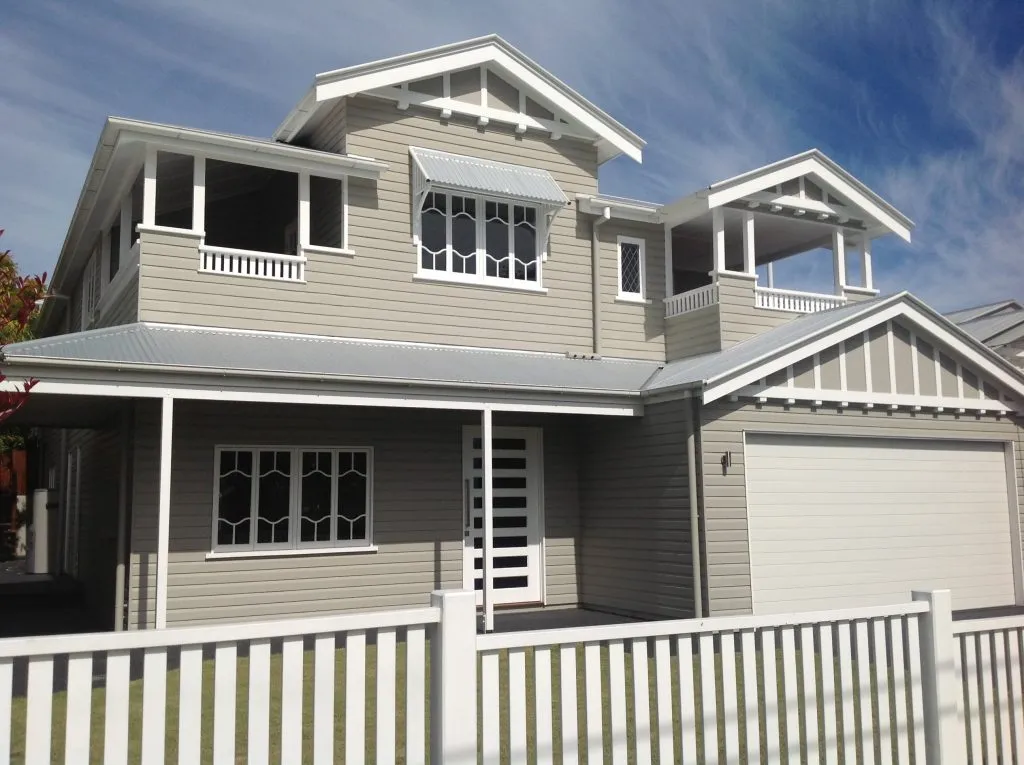

The exterior of a home is constantly exposed to changing weather conditions, sunlight, moisture, dust, and everyday environmental wear. Over time, these factors can cause paint to fade, peel, crack, or lose its original appearance. A well-planned exterior repaint can refresh the property while helping protect exterior surfaces. This is why many homeowners consider exterior house painting services when their property's paintwork begins to show signs of ageing.
Understanding the exterior painting process can help homeowners prepare their property, choose suitable materials, and set realistic expectations for the finished result.
When Does a Home Need Exterior Painting?
There is no single schedule that applies to every property. The need for repainting depends on factors such as the existing paint system, surface material, exposure to weather, and quality of previous preparation and application.
Visible fading is one common sign that a home may need attention. Peeling, cracking, bubbling, chalking, and areas where the underlying surface has become exposed can also indicate that repainting or repairs may be required.
Regularly inspecting exterior walls, trims, doors, windows, and other painted surfaces can help homeowners identify problems before they become more extensive.
Why Surface Preparation Is Important
Preparation is one of the most important stages of an exterior painting project. Applying new paint over dirt, loose coatings, or damaged surfaces can affect adhesion and the final appearance.
Depending on the property's condition, preparation may involve cleaning surfaces, removing loose paint, sanding rough areas, filling cracks, repairing minor damage, and applying primer where appropriate.
The exact preparation required will depend on the existing surface and the type of coating being applied. Taking time to prepare properly can contribute to a more consistent and durable finish.
Choosing Paint for Exterior Surfaces
Exterior paint needs to withstand environmental exposure. Sunlight, rain, humidity, temperature changes, and airborne pollutants can all affect painted surfaces over time.
When selecting an exterior coating, homeowners should consider the material being painted and the environmental conditions around the property. Different products may be designed for surfaces such as timber, masonry, metal, or previously painted areas.
The colour and finish should also be considered. A suitable coating needs to provide the desired appearance while being appropriate for the surface and intended use.
Colour Selection for the Exterior
Changing the exterior colour can significantly alter the appearance of a property. However, choosing a colour for an entire house can be different from selecting one for a single interior room.
Factors such as roofing, brickwork, landscaping, windows, doors, and neighbouring properties can influence the overall appearance. Natural light can also make exterior colours look different at various times of the day.
Using sample colours before committing to a complete repaint can help homeowners understand how the chosen shade will look on the actual building.
Preparing Different Exterior Materials
Homes can contain several different exterior materials, and each may require a different preparation and painting approach. Render, timber, masonry, metal, fibre cement, and previously coated surfaces can all behave differently.
For example, timber may require attention to weathering and surface condition, while masonry may need suitable cleaning and preparation before coating. Metal surfaces may require appropriate priming to help protect against corrosion.
Assessing each surface individually can help ensure that the chosen preparation and coating system is suitable.
Weather and Exterior Painting
Weather conditions can influence the timing and quality of exterior painting. Rain and excessive moisture can interfere with certain coatings, while very hot conditions may affect how quickly paint dries.
Planning the project around suitable weather conditions can make the application process more manageable. A professional painting team can assess the conditions and determine an appropriate schedule based on the products and surfaces involved.
Weather considerations are particularly important for larger projects where several exterior areas need to be completed.
Protecting Windows, Doors and Landscaping
Exterior painting involves more than the walls themselves. Windows, doors, paving, garden areas, outdoor fixtures, and other nearby surfaces should be protected during preparation and painting.
Covering suitable areas and maintaining a clean work zone can help reduce unwanted paint marks. Careful preparation around edges and fixtures can also contribute to a cleaner overall finish.
Homeowners should discuss access and protection requirements before work begins.
Hiring Exterior House Painting Services
When comparing exterior house painting services, homeowners should consider more than the initial price. Experience with similar properties, preparation methods, product selection, communication, and the scope of work can all be important.
A detailed quotation should clearly explain which surfaces are included, what preparation is required, how many coats are expected, and which materials will be used. Clarifying these details beforehand makes it easier to compare different services fairly.
It is also useful to discuss repairs or surface problems that may need to be addressed before painting begins.
Maintaining Exterior Paintwork
Regular maintenance can help preserve the appearance of a freshly painted home. Exterior surfaces should be inspected periodically for peeling, cracking, fading, mould, moisture problems, or other signs of deterioration.
Cleaning suitable surfaces can also help remove accumulated dirt and environmental residue. However, cleaning methods should be appropriate for the particular surface and coating.
Addressing small issues early can help prevent them from developing into larger maintenance problems.
Final Thoughts
Exterior house painting services can help homeowners refresh the appearance of their property while addressing ageing or deteriorating exterior coatings. A successful project depends on several factors, including surface preparation, suitable paint selection, colour planning, weather conditions, and careful application.
Before starting a repaint, assess the condition of the existing surfaces and determine which areas require preparation or repair. Comparing detailed service proposals can also help ensure that the project scope, materials, and expectations are clearly understood. With proper planning and preparation, exterior painting can provide a refreshed appearance and suitable protection for a home's outdoor surfaces.





















Sign in to leave a comment.