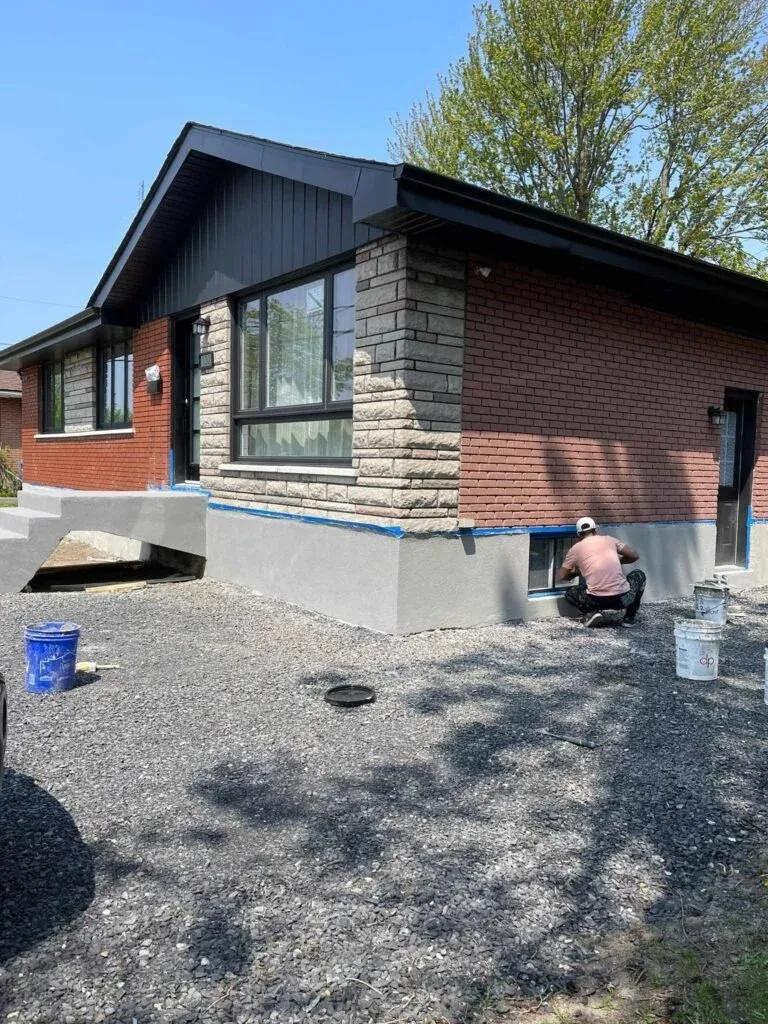

Welcome to your go-to guide on exterior wall cladding in Canada. If you're a homeowner, you're likely wondering how to improve the look and function of your house. That's where cladding comes in. It not only boosts curb appeal but also protects the home from harsh weather. This guide will walk you through the types, benefits, and installation tips for cladding. Whether you're new to home improvement or a seasoned DIYer, you'll find practical info here to enhance your home's exterior. So, let's dive into the world of wall cladding!
What is Exterior Wall Cladding?
Exterior wall cladding refers to the material applied to the outside of a building. It serves as a protective layer against weather and wear. Cladding comes in various materials like wood, metal, and vinyl. Each has its own strengths and weaknesses. For example, wood offers a natural look but requires regular maintenance. On the other hand, vinyl is low-maintenance and cost-effective. But why does this matter? Because the right cladding can increase your home's value and lifespan.
Take my friend Sarah, for instance. She opted for metal cladding on her cottage. It's given her home a modern look and saved her on energy costs. Here's a pro tip: Always choose cladding that fits your climate and personal taste.
Pro Tip: Before choosing cladding, consider your local climate and desired aesthetics.
Types of Cladding Materials
Cladding materials vary widely. Each type has its unique features. Let's look at some popular options. Wood cladding gives a classic, warm look but needs regular sealing. Metal cladding, like aluminum or steel, is durable and modern. Vinyl cladding is budget-friendly and comes in many colors. Then there's fiber cement which mimics wood but lasts longer.
Consider your home’s location. In snowy areas, like parts of Canada, metal or fiber cement is ideal. My neighbor, Dave, installed fiber cement on his home. He says it’s the best decision he ever made. He loves the wood-like feel without the upkeep.
Pro Tip: Mix different materials for a unique look and added durability.
Benefits of Wall Cladding
Wall cladding offers several advantages. It protects your home from harsh weather. In Canada, this is crucial due to extreme temperatures. Cladding also improves insulation. This can lower your heating and cooling bills. Beyond practical benefits, it boosts aesthetic appeal. A well-clad home can stand out in the neighborhood.
Let's take a real-world example. My cousin upgraded her home with vinyl cladding. She noticed a drop in her energy bills almost immediately. Plus, she gets compliments from her neighbors all the time. But, here's the kicker: not all materials offer the same benefits. So, choose wisely for the best outcome.
Pro Tip: Opt for cladding with good insulation properties to save on energy costs.
How to Choose the Right Cladding
Choosing the right cladding is key. Start by considering your budget. Then, think about the climate. If you live in a rainy area, like the Pacific Northwest, opt for waterproof materials. Also, don't forget about maintenance. If you lack time, choose low-maintenance options. Finally, consider how it complements your home’s design.
For instance, my aunt picked stone veneer for her rustic cabin. It fits perfectly with her surroundings and requires minimal upkeep. Want a tip? Always get samples before making a final decision. This helps visualize the end result better.
Pro Tip: Request samples to see how materials look in different lighting conditions.
Installation Process
Installing cladding might seem daunting, but it’s manageable with the right approach. First, prepare the surface. Remove old cladding and repair any damage. Then, measure your space carefully. Incorrect measurements can lead to material waste. Next, choose quality fasteners for secure attachment. Finally, follow manufacturer guidelines for installation.
My buddy Tom took on a DIY cladding project last summer. He found that using the right tools made all the difference. It took longer than hiring pros, but he saved money and learned new skills. And here's a simple tip: Always wear safety gear during installation.
Pro Tip: Double-check measurements to avoid costly errors.
Maintenance Tips
Regular maintenance can extend the life of your cladding. Start by cleaning it annually. Use a mild detergent and a soft brush. Avoid high-pressure washers as they can damage the surface. Check for any signs of wear, like cracks or peeling. Address these issues promptly. This prevents bigger problems down the line.
Take my neighbor, Paul, who maintains his wood cladding religiously. He sands and stains it every two years. It looks as good as new! But remember, each material requires different care. Always read the manufacturer's maintenance guide for best results.
Pro Tip: Schedule regular inspections to catch issues early.
Cladding and Waterproofing
Waterproofing is crucial in cladding installation. Without it, moisture can penetrate, causing damage. In Canada, where rain and snow are common, this is especially important. Waterproof membranes are often applied before cladding. These act as a barrier to keep water out.
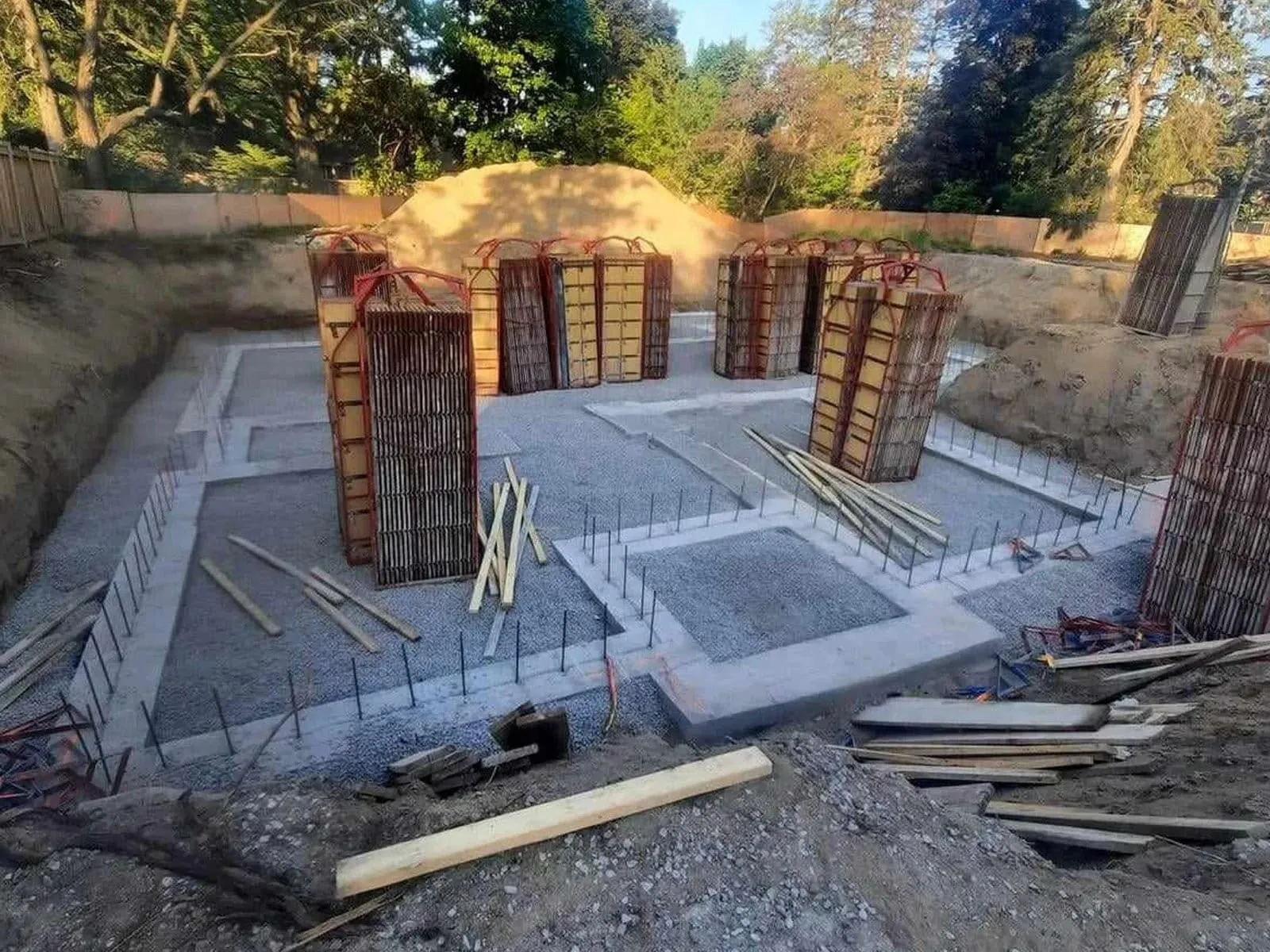
Consider Jane’s experience. She didn't waterproof her basement properly, leading to leaks. She later had to redo her cladding and add waterproofing basement . So, learn from her mistake. Investing in waterproofing saves money and stress in the long run.
Pro Tip: Consult a professional for the best waterproofing solutions.
Eco-Friendly Cladding Options
Eco-conscious homeowners, listen up! Sustainable cladding options are available. Materials like reclaimed wood or recycled metal are popular. They reduce environmental impact. Bamboo cladding is another green choice. It's renewable and grows quickly. Plus, it looks fantastic.
Let me tell you about Lisa. She chose recycled metal for her home. She says it’s durable and aligns with her eco-values. Here's a tip: Look for materials with certifications like FSC or LEED for assured sustainability.
Pro Tip: Choose materials with recognized eco-certifications for guaranteed sustainability.
Costs of Wall Cladding
Costs vary based on material and installation. Wood and metal are often pricier but durable. Vinyl and fiber cement are more budget-friendly. Don't forget to factor in labor costs. DIY projects can save money but require time and skill.
For instance, I helped my brother install vinyl cladding. We spent more time but saved money. He was thrilled with the result. But remember, cheap materials can lead to frequent replacements. Quality matters!
Pro Tip: Budget for maintenance and future repairs when calculating costs.
Frequently Asked Questions
What is the best material for exterior wall cladding in Canada?
The best material depends on your climate and preference. Metal and fiber cement are great for harsh weather, while wood offers a classic look.
How often should I maintain my cladding?
Annual cleaning is recommended. For wood, additional sealing every few years is crucial to maintain its look.
Is waterproofing necessary for all cladding types?
Yes, waterproofing is essential to prevent moisture damage, especially in wet climates.
Can I install cladding myself?
Yes, but it requires time and precision. Hiring professionals can ensure a quality finish.
What are the environmental benefits of cladding?
Eco-friendly cladding reduces your carbon footprint and often uses sustainable materials like bamboo or recycled metals.
Thanks for exploring the world of exterior wall cladding with me. Have you tried any of these techniques? I'd love to hear your thoughts or experiences. Feel free to share them in the comments below.


















Sign in to leave a comment.