

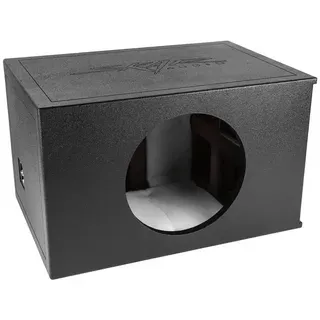
An f150 single cab sub box can turn a compact truck interior into a surprisingly capable listening environment by adding the low-frequency depth that factory speakers often struggle to deliver. Because a single-cab F-150 provides less interior room than larger cab configurations, the enclosure needs to be designed with space efficiency in mind. The right box can provide a strong foundation for deep bass while keeping the cabin practical for everyday driving.
A successful bass upgrade starts with more than selecting a powerful subwoofer. The enclosure has to provide suitable airspace, accommodate the driver's physical dimensions, and fit the truck without interfering with seats or useful storage areas. When these factors are planned together, a compact installation can deliver substantial bass without requiring an oversized cabinet.
There is also an important difference between simply adding more bass and building a well-integrated audio system. Subwoofer selection, enclosure construction, amplifier matching, crossover settings, and vibration control all influence the final experience. A carefully planned setup allows the low end to complement the rest of the music, creating a fuller sound rather than an installation that is dominated by uncontrolled bass.
Why Enclosure Space Matters in a Single Cab
Interior space is one of the biggest considerations when installing a subwoofer in a single-cab truck. Behind-seat areas and other compact locations may offer only limited depth and width, making traditional large enclosures impractical.
Accurate measurements should come before equipment selection. Check available width, height, depth, seat travel, and access to surrounding areas. Remember to account for the enclosure's actual external dimensions rather than relying only on the subwoofer's size.
A box that fits on paper but interferes with the driver's seating position is not a practical solution. Efficient packaging is therefore one of the most valuable characteristics of a single-cab subwoofer installation.
Select Bass Characteristics Before Choosing the Box
Think about the type of bass you want from the system. Some listeners prefer a tight and controlled response that blends naturally with vocals and instruments, while others want stronger low-frequency impact.
Your listening preferences can influence the type of enclosure and subwoofer that make sense. There is no universal enclosure that is ideal for every setup. The correct design depends on the driver, available space, amplifier, and desired acoustic response.
Defining the goal first helps prevent unnecessary compromises later.
Sealed Enclosures for Compact Installations
Sealed boxes are often considered for space-conscious truck builds because their construction can be relatively compact and straightforward. The enclosed airspace provides the subwoofer with a controlled operating environment and can produce a clean, responsive bass character.
The enclosure still needs to meet the manufacturer's recommended internal volume. Making a sealed box smaller than the driver's requirements simply to save space can compromise performance.
When space is at a premium and controlled bass is the priority, a properly designed sealed enclosure can be an effective solution.
When a Ported Box Makes Sense
Ported enclosures use a tuned opening to enhance output around a selected frequency range. When engineered correctly, they can provide impressive efficiency and strong bass output.
The challenge in a single-cab F-150 is packaging. The port itself requires space and has to be correctly designed, so the complete enclosure may become larger than a comparable sealed design.
For that reason, a ported configuration should be selected because it suits the overall system goals—not simply because it promises more output.
Construction Quality Supports Performance
An enclosure should remain rigid while the subwoofer is operating. Flexible panels, poorly secured joints, or air leaks can introduce unwanted noise and prevent the cabinet from behaving as intended.
Quality construction begins with appropriately rigid materials and properly joined panels. Internal reinforcement may also be useful for larger or higher-output designs. Sealed boxes require particular attention to airtight construction.
The objective is a cabinet that stays structurally stable while the subwoofer handles demanding musical passages.
Pair the Subwoofer With the Available Airspace
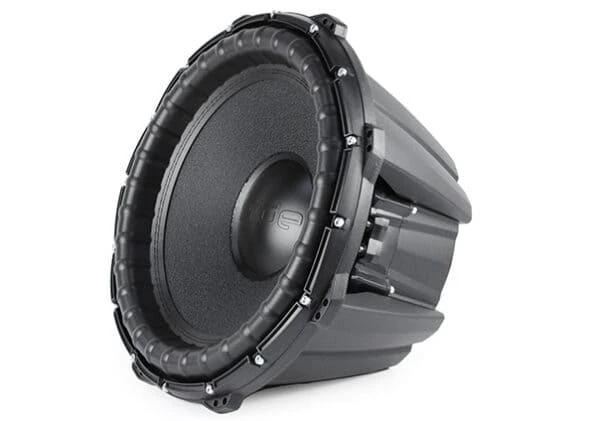
The subwoofer and enclosure should be selected together. Every driver has design requirements that influence the amount of internal airspace it needs.
Check the manufacturer's specifications for recommended sealed or ported volume, mounting depth, cutout dimensions, and power requirements. These details are particularly important in a single cab because there may be little room to correct a poor fit after installation.
A physically smaller subwoofer is not automatically the best option. What matters is how effectively the complete driver-and-enclosure combination works within the truck.
Give the Amplifier the Right Job
Amplifier selection should complement the subwoofer rather than simply chase the highest advertised wattage. Impedance, power handling, and system configuration should all be considered.
Once the hardware is installed, gain and crossover settings deserve careful attention. A subwoofer should fill out the lower end of the music without overwhelming the main speakers.
Good system tuning can make a compact setup sound considerably more polished and balanced.
Control the Vibrations That Bass Can Reveal
Stronger bass can expose rattles that were not obvious with the factory system. Interior trim, panels, wiring, and loose components may vibrate when subjected to increased low-frequency energy.
Strategic sound-deadening treatment can help reduce unwanted panel resonance and vibration. Treating problem areas can make the cabin feel more controlled and prevent distracting noises from competing with the music.
This is especially useful when installing a more capable subwoofer in a compact cabin where vibrations can be particularly noticeable.
Installation Should Protect Your Cabin Space
Once the equipment has been selected, installation quality becomes just as important as component choice. The enclosure should be securely mounted so it does not shift during normal driving.
Wiring should have a clean, protected route, and amplifier placement should provide adequate ventilation. The installation should also leave sufficient room for normal seat adjustment and other everyday functions.
A good audio upgrade should feel integrated into the truck rather than forcing the driver to work around the equipment.
Make the System Feel Bigger Than Its Footprint
A space-saving enclosure does not have to produce small-sounding bass. When the box dimensions, driver specifications, amplifier output, and tuning are properly coordinated, a compact installation can produce a full and engaging low-frequency response.
The biggest advantage comes from efficiency. Instead of consuming unnecessary cabin space with an oversized cabinet, a well-planned enclosure uses the available area intelligently.
That balance is particularly valuable in a single-cab truck, where practicality and performance have to coexist.
A Complete Audio Upgrade Is About Balance
The best results come from treating the subwoofer as one component of a larger system. Factory or aftermarket speakers still need to reproduce their intended frequency range, while the subwoofer handles the lower end.
Crossover settings can help establish a smooth transition between these components. Proper amplifier gain and overall tuning can further improve integration.
When the bass supports the rest of the system instead of overpowering it, music can sound more detailed, spacious, and enjoyable.
Final Thoughts
An f150 single cab sub box is more than a way to add a subwoofer to a truck. It is an opportunity to make intelligent use of limited cabin space while building a stronger and more complete audio experience.
Start with accurate measurements, select the enclosure style according to your listening goals, match the box to the subwoofer's specifications, and provide suitable amplification. From there, secure the installation and address unwanted vibrations where necessary.
With thoughtful planning, a single-cab F-150 can deliver deep, powerful bass without sacrificing the practical interior space that makes the truck useful every day.























Sign in to leave a comment.