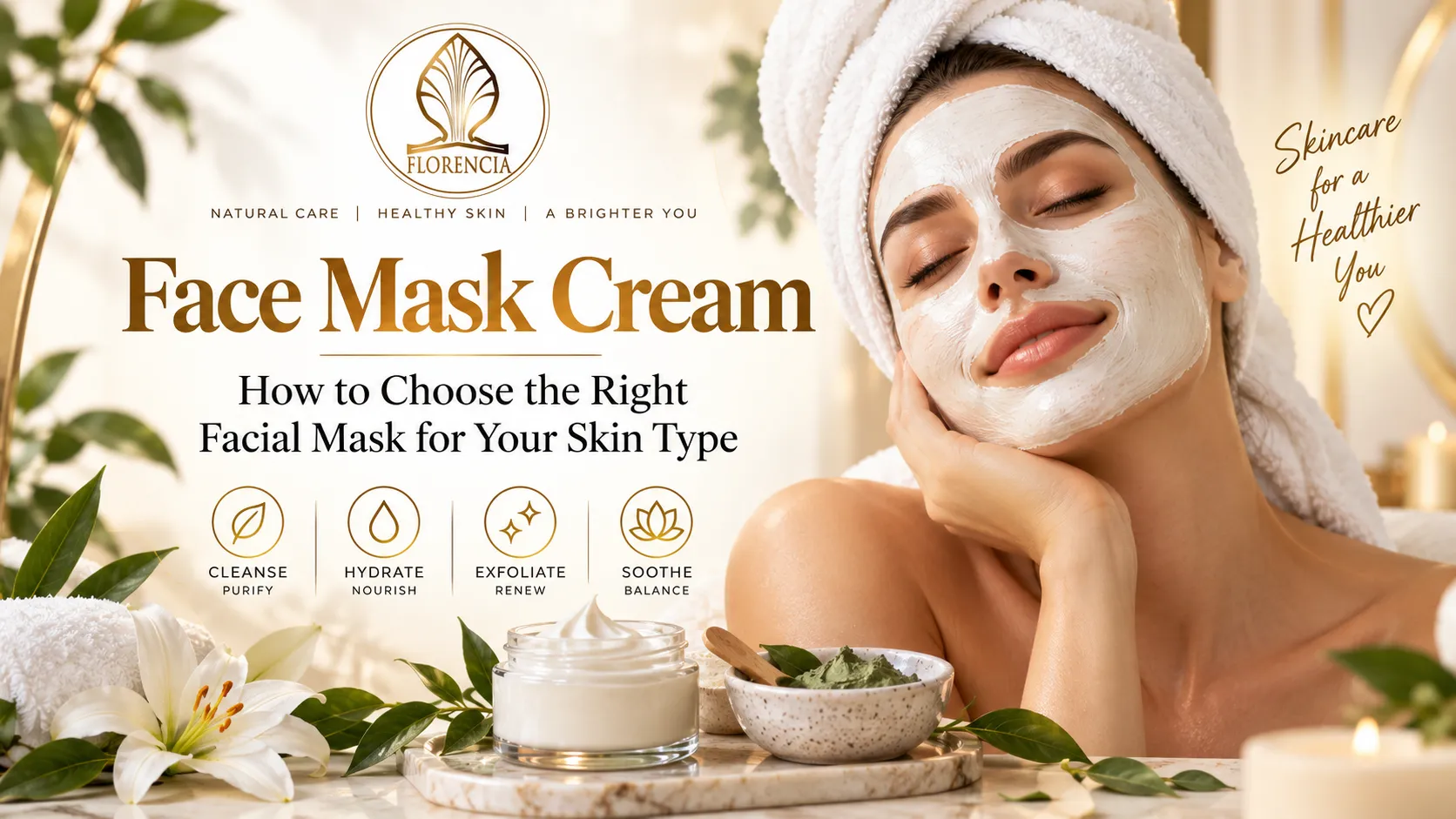

Choosing a facial mask is not about picking the most popular formula. Skin can be dry, oily, combination, sensitive, or stressed by environmental exposure, so treatment should match current needs. For people looking for targeted hydration, cleansing, or exfoliation, a face mask cream can be considered as one step within a balanced skincare routine. The question is whether its ingredients, texture, and instructions suit the user.
What Does a Facial Mask Actually Do?
Facial masks keep selected ingredients in contact with the skin for a specific period. Depending on the formulation, a mask may provide moisture, remove surface buildup, absorb excess oil, or support a smoother-looking complexion.
Before choosing one, consider the main concern. Dryness may call for hydration, while excess oil may make a clay-based treatment more relevant. Dullness or rough texture may suit gentle exfoliation. Sensitive skin requires additional care because active ingredients may not suit everyone.
How Can You Match a Mask to Your Skin Type?
Dry or dehydrated skin often benefits from formulas designed around moisture and soothing ingredients. Florencia Beauty's Aloe & Azulene Soothing Gel Mask, for example, is described by the company as a lightweight, oil-free mask containing aloe, sodium hyaluronate, hydrolyzed glycosaminoglycans, green tea, and azulene. The product is positioned for hydration, recovery, and soothing, with directions that include cleansing first and rinsing after a defined application period. These details show why ingredient lists matter.
Oily and combination skin may require a different strategy. Clay-based ingredients can absorb surface oil, while clarifying formulas may target congestion. Florencia Beauty describes its Camphor Mask Clarifying Redemption as a treatment for normal-to-oily, problematic, and acne-prone skin. Its listed ingredients include bentonite clay, camphor, and colloidal sulfur. Such ingredients may have a drying effect, so using the formula according to directions is important.
Sensitive skin should be approached cautiously. A product described as natural, botanical, or clean is not automatically suitable for every person. Individual sensitivities can occur with plant-derived and synthetic ingredients. Introducing one new product at a time can make irritation easier to identify.
Face Mask Cream: Which Ingredients Should You Look For?
Ingredient selection should follow the skin concern instead of a trend. Humectants such as sodium hyaluronate can support hydration by attracting water. Aloe is commonly used in soothing skincare formulations. Clay ingredients such as kaolin are absorbent and are used in some cleansing and exfoliating products. Florencia Beauty describes kaolin as a naturally occurring clay that helps cleanse and exfoliate surface debris and skin cells.
Exfoliating masks can use enzymes or other agents to loosen surface buildup. Florencia Beauty's Papaya & Pumpkin Brightening Exfoliating Mask contains papain, pumpkin extract, kaolin, green tea, and other ingredients. The company recommends limited weekly use and provides an application time based partly on sensitivity. This shows why stronger treatment does not necessarily mean better treatment; frequency and tolerance matter.
It is also important to distinguish ingredient presence from proven results. A label does not reveal concentration, formulation quality, stability, or how your skin will respond. Responsible skincare decisions combine ingredient knowledge with product directions and personal tolerance.
How Often Should You Apply a Facial Mask?
There is no single schedule for every mask. Frequency depends on the formulation, purpose, skin condition, and manufacturer directions. A hydrating product may be used differently from an exfoliating or clarifying treatment.
Florencia Beauty provides different usage directions for its masks. Its Aloe & Azulene mask says it can be used two to five times weekly, while its Papaya & Pumpkin mask recommends one to two applications weekly. Users should therefore read the directions for the specific product rather than apply a general rule to every mask.
Overuse can create problems. Frequent exfoliation or repeated exposure to drying ingredients may contribute to tightness, dryness, redness, or irritation. People already using retinoids, exfoliating acids, acne treatments, or other active products should consider the combined effect of their routine.
Can a Facial Mask Replace Moisturizer?
A face mask cream should not replace a daily moisturizer. Masks are periodic treatments, whereas moisturizers support everyday hydration and skin-barrier care. Sunscreen has a separate role during daytime exposure.
This distinction helps prevent unrealistic expectations. A mask may temporarily make skin feel softer, smoother, or more refreshed, but that does not mean it has permanently changed the skin. Consistent basic care remains important.
What Should You Check Before Using a New Mask?
Start by reading the complete ingredient list and directions. If your skin is sensitive or reactive, introducing a new product gradually may be sensible. Avoid applying unfamiliar treatments to damaged or severely irritated skin unless a qualified healthcare professional advises you.
A patch test may help identify some irritation, although it cannot guarantee that a product will never cause a reaction. Stop using a product if you develop significant burning, swelling, itching, or persistent redness.
Application technique also matters. Cleanse first when instructions recommend it, avoid the eye area, respect the stated application time, and rinse thoroughly when directed. Leaving a treatment on longer does not automatically improve performance.
How Does Florencia Beauty Approach Facial Masks?
Florencia Beauty describes its skincare philosophy as combining nature and science, including botanical ingredients and scientific research. Its current facial mask collection includes Aloe & Azulene Soothing Gel Mask, Papaya & Pumpkin Brightening Exfoliating Mask, and Camphor Mask Clarifying Redemption.
These products represent different purposes. Aloe & Azulene focuses on hydration and soothing. Papaya & Pumpkin is positioned around exfoliation and brightening. Camphor is designed for clarifying and oil-control concerns. This makes comparison more useful than assuming one mask should meet every need.
What Are Common Facial Mask Mistakes?
One common mistake is selecting a product solely because it is trending. Another is assuming that a strong tingling sensation proves effectiveness. Sensation is not a reliable measurement of skincare performance, and irritation should not be interpreted as a sign that a treatment is working.
Using several active masks together can also be unnecessary. Combining exfoliating, clarifying, and other potentially irritating treatments may increase discomfort. A simpler routine can make it easier to understand which products help and which may cause problems.
What Is a Practical Mask Routine?
A practical approach starts by identifying one main skincare concern. Choose a formula designed for that concern, read its instructions, and introduce it at a frequency your skin can tolerate. After treatment, continue with moisturizer and daytime sun protection.
The goal should be a comfortable routine. When a mask fits the skin's needs and is used according to instructions, it can support a broader skincare plan.
Final Takeaway
Choosing the right facial mask requires more than looking at packaging or popular ingredients. Skin type, current concerns, formulation, application time, frequency, and personal tolerance all deserve attention. A face mask cream can be useful when its purpose matches the skin's needs, but it should complement rather than replace basic cleansing, moisturizing, and sun protection.
Florencia Beauty offers several mask formats that illustrate different treatment goals, from hydration and soothing to exfoliation and clarification. Reviewing its ingredient information and directions can help consumers make informed comparisons. For persistent or serious skin concerns, professional dermatological advice remains more appropriate than relying on cosmetic treatments alone.
Frequently Asked Questions
What is a face mask cream used for?
A face mask cream is generally used as a targeted skincare treatment for concerns such as dryness, excess oil, surface buildup, or uneven-looking texture. Its purpose depends on the ingredients and formulation, so users should choose one according to their skin needs rather than simply following trends.
How often should I use a facial mask?
The appropriate frequency depends on the type of mask and your skin's tolerance. Hydrating masks may be suitable for more frequent use, while exfoliating or clarifying formulas may need less frequent application. Always follow the directions provided for the specific product.
Can facial masks be used on sensitive skin?
Some facial masks are formulated with sensitive skin in mind, but no product is guaranteed to suit everyone. Florencia Beauty's Aloe & Azulene Soothing Gel Mask, for example, is described by the brand as suitable for all skin types, including sensitive skin. However, checking the ingredient list and introducing new products carefully is still advisable.
Should I moisturize after using a facial mask?
In many routines, applying a moisturizer after removing a mask can help maintain hydration and support the skin barrier. Florencia Beauty's instructions for its Aloe & Azulene mask specifically recommend following the treatment with toner and moisturizer.
Can I use an exfoliating mask and other active skincare products together?
Combining several active treatments can increase the possibility of dryness or irritation. If your routine already contains exfoliating acids, retinoids, or acne treatments, consider introducing an exfoliating mask cautiously and avoid unnecessarily combining multiple strong treatments during the same routine.
How do I choose the right facial mask for my skin?
Start by identifying your primary concern. Hydrating formulas may be appropriate for dry or dehydrated skin, while clay-based or clarifying formulas may be considered for oily skin. Exfoliating masks can be useful when surface buildup or dull-looking skin is the concern. Florencia Beauty currently lists hydrating, exfoliating, and clarifying masks in its facial-mask collection.
Is a facial mask a replacement for daily skincare?
No. A facial mask is generally an additional treatment rather than a replacement for basic skincare. A consistent routine can include cleansing, moisturizing, and appropriate daytime sun protection, with masks used according to individual skin needs and product instructions.














Sign in to leave a comment.