

Abu Road serves as the historic gateway to the ancient Arbuda region in Rajasthan's Sirohi district. While many travelers view it merely as a transit hub, the plains and surrounding hills shelter remarkable heritage spanning over a millennium. From remnants of medieval capitals to sacred hill shrines, the area offers deep historical exploration.
Chandravati: The Lost Paramara Capital
Located just a few kilometers south of Abu Road along the West Banas River lies Chandravati, an expansive archaeological site dating back to the 10th and 11th centuries. Once the prosperous capital of the Arbuda branch of the Paramara rulers, Chandravati was renowned across western India for its monumental architecture, intricate stone carvings, and strategic military position.
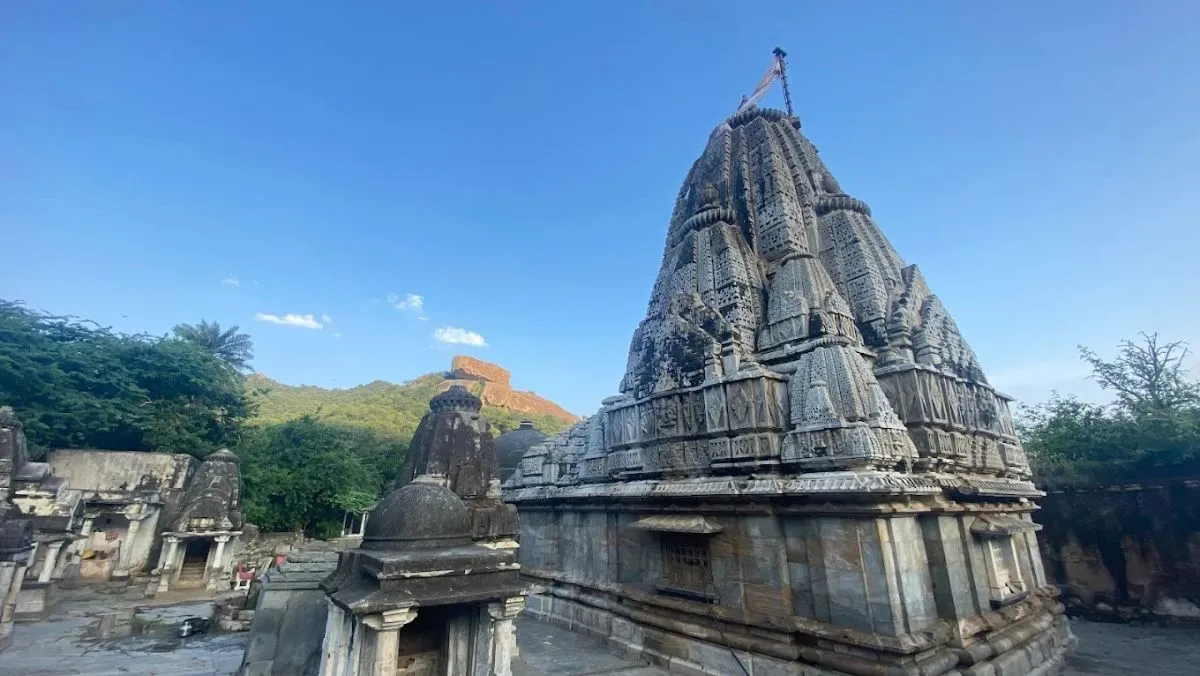
Archaeological excavations here have unearthed fortified city walls, residential structures, smelters, and exquisite fragments of Hindu and Jain temples. While military campaigns centuries ago reduced much of the city to ruins, standing among the remnants of its carved pillars and foundations offers an unmatched glimpse into the urban planning and artistic brilliance of early medieval Rajasthan. Visiting Chandravati provides direct historical insight into the political hub that once governed these hills long before modern cities took shape.
Rishikesh Temple: Solitude in the Foothills
Nestled in a verdant valley near the base of the hills, the ancient Rishikesh Temple is dedicated to Lord Vishnu. Believed to date back over seven centuries, the shrine is traditionally associated with royal visits and spiritual seekers seeking secluded penance. The temple complex features traditional stone construction, enclosed courtyards, and a serene water kund that reflects the surrounding foliage.
Unlike more crowded pilgrimage sites, Rishikesh Temple retains a quiet, contemplative atmosphere. The natural spring flowing nearby and the mountain walls rising sharply behind the sanctum create a vivid setting where nature and sacred heritage converge.
Achalgarh Fort and Achaleshwar Mahadev
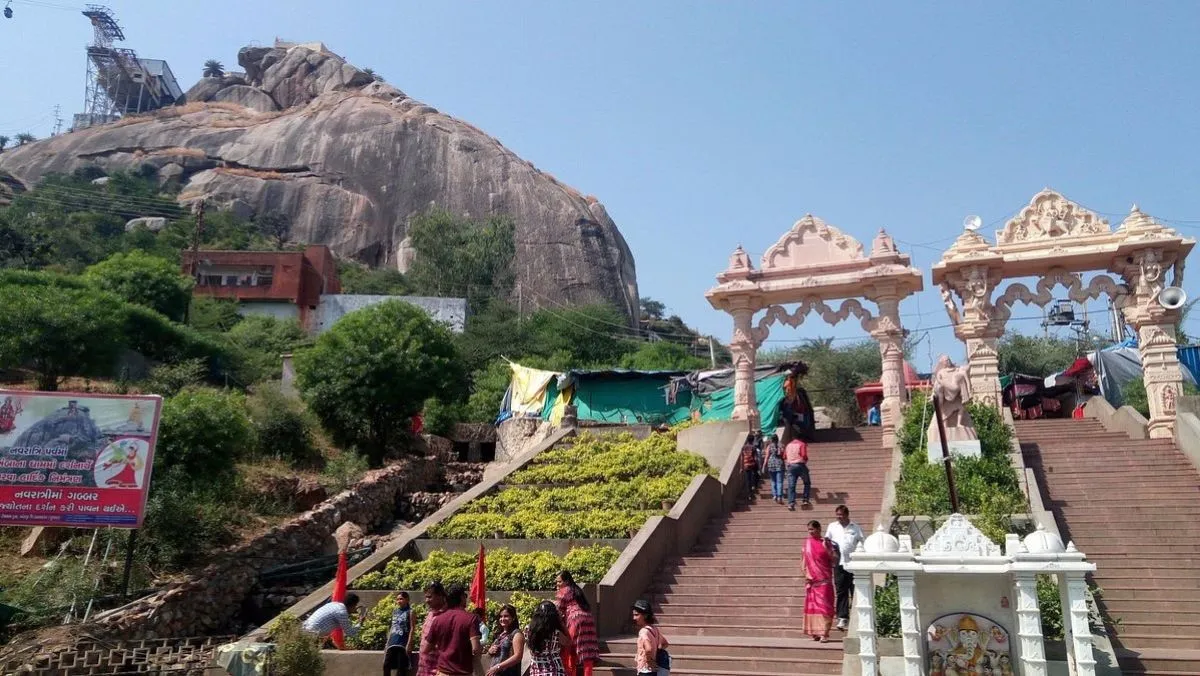
A short scenic ascent from Abu Road brings you to Achalgarh, home to one of the most formidable fortifications in the Aravalli range. Originally built by the Paramara rulers, the fortress was extensively reconstructed and reinforced in the 15th century by Maharana Kumbha of Mewar to protect the southern frontiers of his kingdom.
Within this historic complex stands the Achaleshwar Mahadev Temple, famous for enshrining what tradition holds to be the toe of Lord Shiva rather than a conventional lingam. Beside the temple lies Mandakini Kund, adorned with three massive stone-carved buffaloes linked to Rajput folklore. Higher up the fortress slopes, ancient carved Jain shrines stand amidst the weathered stone walls, offering panoramic vistas across the rugged mountain valleys.
Dilwara Temples: The Pinnacle of Marble Craft
No historical journey through the Abu region is complete without visiting the world-renowned Dilwara Temples. Built between the 11th and 13th centuries under the patronage of ministers Vimal Shah and the brothers Vastupala and Tejapala, these marble wonders represent the absolute height of Solanki-style architecture.
Each temple within the complex, including the Vimal Vasahi and Luna Vasahi, features marble carving of astonishing delicacy. Ceilings unfold in concentric lotus petals, pillared corridors display carved figurines of celestial dancers, and intricately carved archways appear light as lace despite being sculpted from solid stone. The sheer level of preserved craftsmanship makes Dilwara an essential study in medieval Indian temple architecture.
Trevor's Tank and Historical Colonial Trails
Beyond ancient dynasties, the region retains relics from the British colonial era. Established as a retreat for British officers and local royalty, spots like Trevor's Tank were designed to collect rainwater while creating a secluded forest reserve. Constructed in the late 19th century under the direction of engineer Colonel G.H. Trevor, the reserve preserves native wildlife including leopards, sloth bears, and crocodiles amidst stone pavilions and quiet jungle tracks.
Crafting Your Heritage Itinerary
To fully experience these historical landmarks, allocate at least two days in the region. Spend the first day exploring the lower valley sites, beginning with the open excavations of Chandravati and the morning stillness of Rishikesh Temple. Dedicate your second day to ascending the hill roads for the architectural grandeur of Achalgarh and Dilwara.
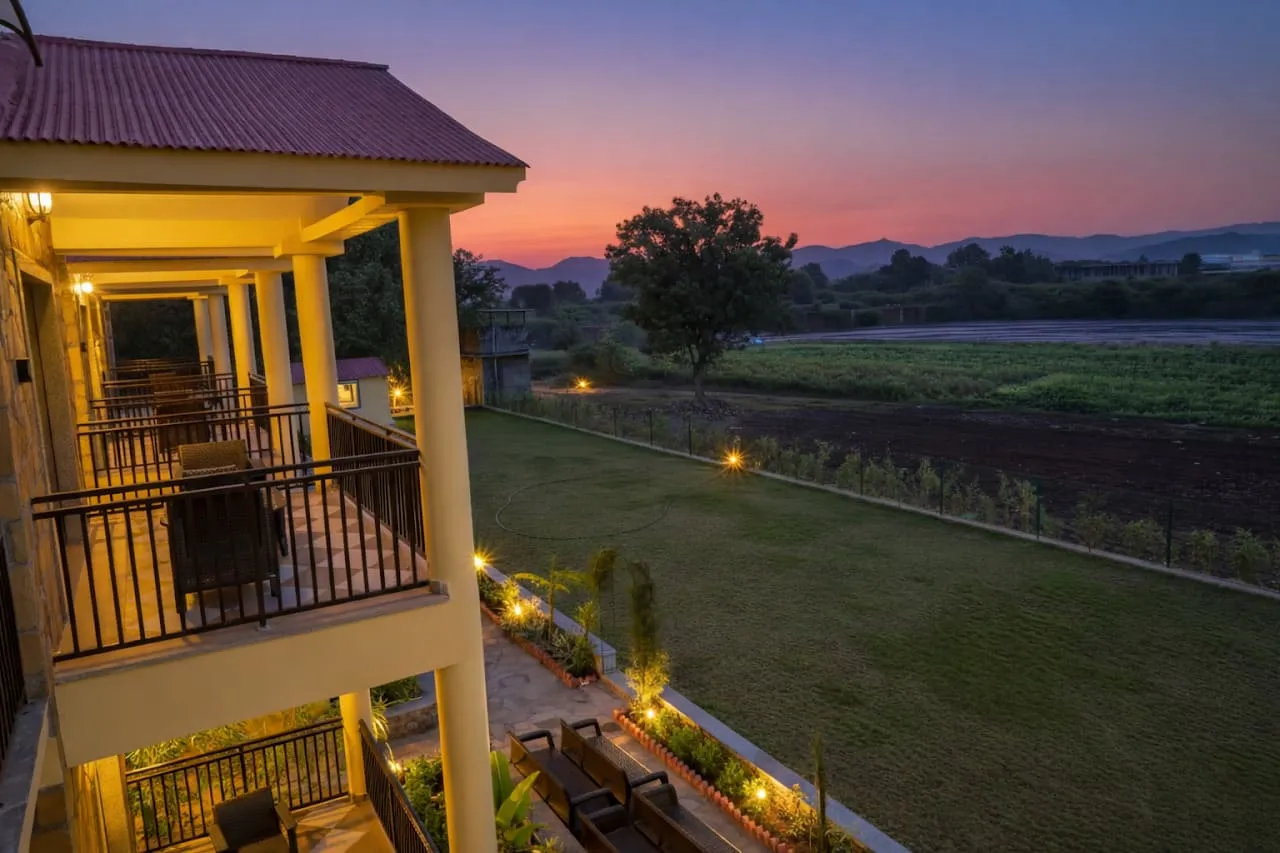
For travelers who value peaceful evenings surrounded by nature after a day of sightseeing, choosing a serene boutique stay in Abu Road allows you to unwind in comfort while remaining close to all key routes. Travelers looking for the best resort in Abu road can enjoy expansive green lawns, authentic hospitality, and convenient access to both the valley's ancient ruins and the hill summits.






















Sign in to leave a comment.