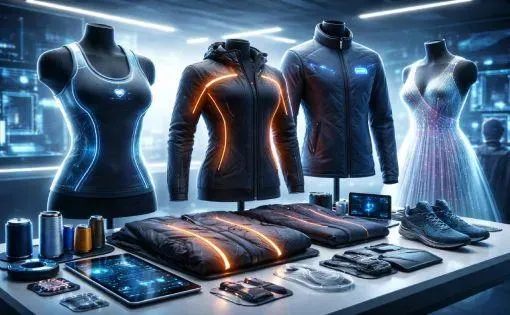

The fashion and textile industry is experiencing rapid transformation as technology becomes an essential part of modern apparel development. Among the most important Fashion Textile Trends, smart textiles and wearable technology are creating new opportunities for designers, manufacturers, and consumers. These innovations are helping the industry move beyond traditional clothing toward connected, functional, and personalized apparel.
The Rise of Smart Textiles
Smart textiles are fabrics designed to respond to environmental conditions, user activity, or electronic signals. Depending on their application, these textiles can monitor temperature, detect movement, manage moisture, or provide other interactive functions. Their growing adoption represents an important development in Fashion Textile Trends, particularly as consumers seek clothing that combines style with advanced functionality.
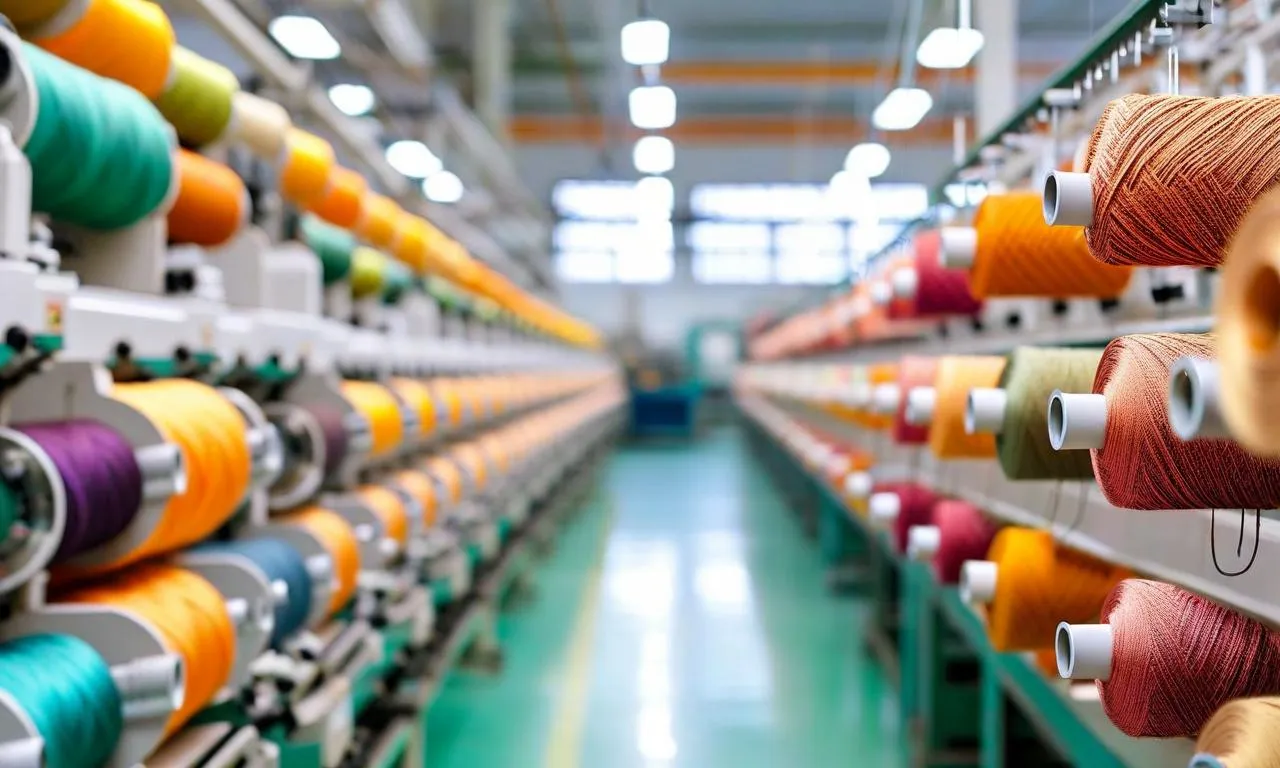
For the knitting and apparel sector, smart textile development can also encourage innovation in fabric structures, yarn selection, and production techniques. Manufacturers are exploring ways to integrate conductive yarns, sensors, and other advanced materials into knitted fabrics without compromising comfort or flexibility.
Wearable Technology in Modern Apparel
Wearable technology is another major factor influencing current Fashion Textile Trends. Smart watches and fitness devices have already become mainstream, but the next generation of wearable technology is increasingly being integrated directly into clothing.
Smart garments can potentially track physical activity, monitor body movement, regulate temperature, and collect useful data. Sportswear, healthcare apparel, workwear, and performance clothing are among the areas where these technologies can offer significant value.
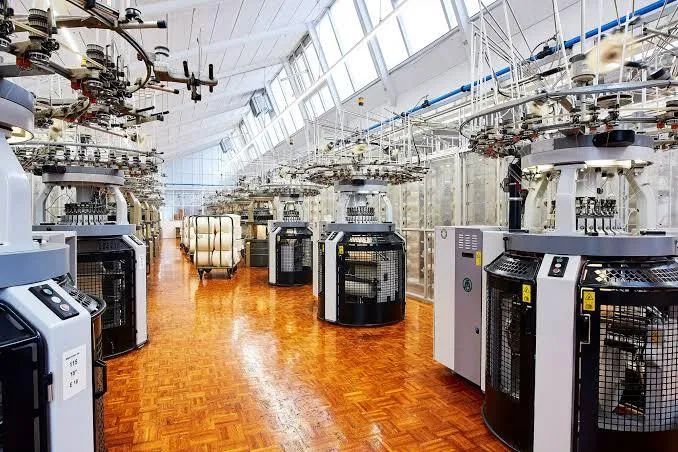
Knitted fabrics are particularly suitable for wearable applications because they can provide stretch, flexibility, and comfort. Advanced knitting machinery can help manufacturers develop fabrics with complex structures that support the integration of electronic components and functional yarns.
Sustainable Innovation and Smart Fabrics
Sustainability remains a major priority across the textile industry. As a result, many Fashion Textile Trends are increasingly focused on combining technological innovation with responsible manufacturing.
Smart textiles can contribute to more efficient product development by enabling garments with multiple functions. At the same time, manufacturers are researching recyclable materials, energy-efficient production methods, and improved fabric durability.
The challenge is to ensure that electronic components and specialized materials do not make garments unnecessarily difficult to recycle. Future innovation will therefore need to balance performance, sustainability, cost, and end-of-life management.
Personalization and Consumer Demand
Consumers are increasingly interested in clothing that reflects their individual lifestyles. Smart textiles can support this demand by enabling garments with adjustable functionality and personalized features.
For example, future apparel could respond to changes in temperature, physical activity, or environmental conditions. This shift toward personalized clothing is expected to influence fashion design, textile manufacturing, and product development.
The Future of Fashion Textile Trends
The future of Fashion Textile Trends will be strongly connected with digitalization, smart manufacturing, and advanced textile engineering. For the knitting industry, this creates opportunities to develop innovative fabrics that combine comfort, aesthetics, performance, and technology.
As smart textiles and wearable technology continue to evolve, collaboration between textile manufacturers, technology companies, fashion designers, and researchers will become increasingly important. Companies that invest in modern knitting technologies and innovative material development can position themselves for emerging opportunities in the global apparel market.
Ultimately, smart textiles are not simply a technological experiment—they represent a new direction for the fashion industry. By combining advanced materials with innovative knitting and manufacturing techniques, the industry can create the next generation of intelligent, functional, and consumer-focused apparel.

















Sign in to leave a comment.