

Fashion is closely connected to everyday life. Clothing, footwear, accessories, colors, and personal grooming all contribute to how people present themselves. Trends change quickly, but many current fashion movements are focused on practicality, personal identity, and making better use of existing wardrobes.
Social media has also changed the way people discover fashion. A trend can move from a small online community to a global audience within weeks. At the same time, shoppers are becoming more interested in quality, versatility, responsible consumption, and clothing that works across different settings.
Modern fashion is therefore not only about following a new trend. It is also about understanding personal preferences and choosing pieces that fit real routines.
Everyday Fashion Is Moving Toward Practical Style
Comfort has become an important part of modern dressing. People often want clothing that looks appropriate while remaining suitable for commuting, working, studying, traveling, or spending time with friends.
This has encouraged interest in versatile pieces that can be worn in several combinations. A simple shirt, well-fitted trousers, clean sneakers, or a neutral jacket can work across multiple outfits without requiring a large wardrobe.
Layering is another practical approach. Instead of purchasing separate outfits for every situation, people can combine lightweight pieces to adapt to changing temperatures and occasions.
Useful wardrobe staples include:
- Well-fitting jeans or trousers
- Plain T-shirts and shirts
- Lightweight jackets
- Comfortable sneakers
- Simple sweaters
- Neutral accessories
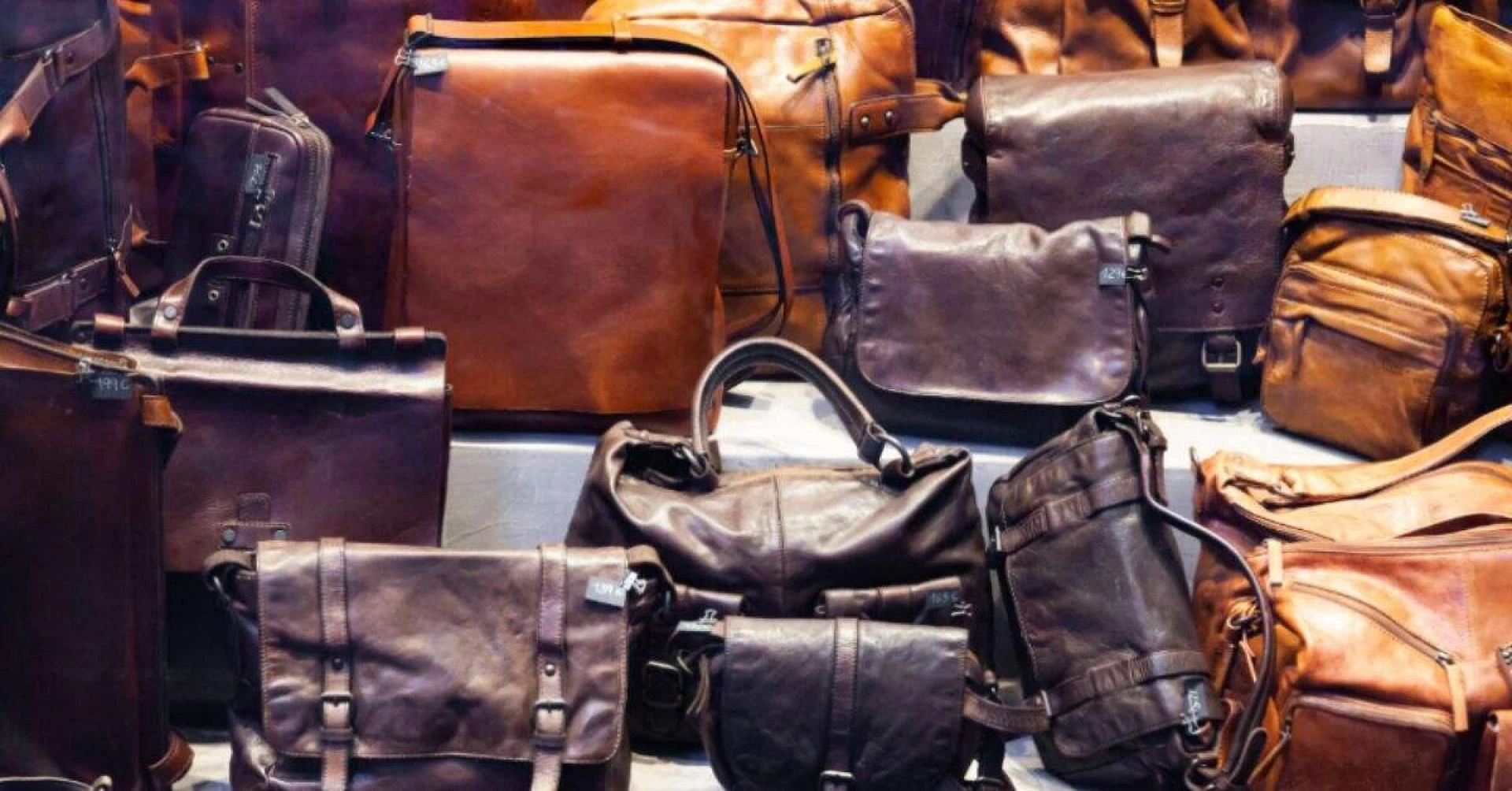
- Versatile bags
Fit remains more important than simply choosing a popular brand. Clothing that fits properly can look more polished even when the design is simple.
Color selection also affects versatility. Neutral colors such as black, white, navy, grey, beige, and brown can be combined with brighter pieces when someone wants more contrast. This does not mean every wardrobe needs to be neutral. The goal is to create combinations that suit the individual's taste.
Accessories can also change an outfit without requiring a complete wardrobe update. Watches, belts, bags, sunglasses, scarves, and jewelry can add a personal element while keeping the basic clothing simple.
Fashion and Technology Are Coming Together
Technology is becoming increasingly connected to fashion. Smartphones have changed shopping, while wearable devices have introduced technology into accessories that people use every day.
Smartwatches are one of the clearest examples. They can display notifications, track activity, provide navigation, and perform other functions while also serving as part of an outfit. Their design has therefore become important alongside their technical features.
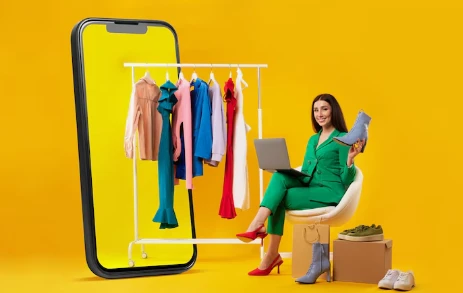
Online shopping has also changed the way people discover clothing. Consumers can compare products, read reviews, check measurements, and explore different styles without visiting multiple physical stores.
Digital tools can help shoppers make more informed decisions, although online purchases still have limitations. Sizing can vary between brands, colors can appear different on screens, and product photographs do not always show how a garment fits in real life.
Technology is also influencing accessories and lifestyle products. Compact electronic products are sometimes designed with attention to shape, finish, portability, and visual presentation. For example, people searching for Kado Bar 0% Nicotine KB10000 may encounter discussions that focus on its product design and compact form, illustrating how consumer electronics can overlap with conversations about everyday style and portability.
Fashion technology is also developing in less visible ways. Digital design software helps brands create and modify garments before physical samples are produced. Some companies are using digital tools to improve inventory planning and reduce unnecessary production.
The combination of technology and fashion is likely to continue growing as consumers become more comfortable with connected products and digital shopping experiences.
Sustainable Fashion Is Becoming More Practical
Sustainability has become a major topic in the fashion industry. Clothing production requires materials, energy, water, transportation, and labor. The environmental impact varies significantly depending on the material, manufacturing process, product lifespan, and disposal method.
One of the simplest ways consumers can reduce waste is to use clothing for longer. Buying fewer pieces and taking care of them properly can reduce the need for frequent replacement.
Second-hand shopping is another option. Resale platforms and physical thrift stores allow consumers to purchase previously owned clothing. This can extend the useful life of garments while giving shoppers access to different styles.
Repair is equally useful. A missing button, small tear, loose seam, or damaged zipper does not always mean that an item needs to be discarded.
Practical habits include:
- Buy pieces that can work with existing clothing.
- Follow care instructions on garment labels.
- Repair damaged clothing when possible.
- Donate or resell unwanted items.
- Consider second-hand options.
- Avoid buying something simply because it is temporarily popular.
- Choose durable materials when appropriate.
Consumers should also be cautious about broad sustainability claims. Words such as “eco-friendly” do not automatically explain the environmental impact of a product. Looking for specific information about materials, manufacturing, certifications, and product lifespan can provide a clearer picture.
The same principle applies when researching products described online as Kado bar. Country-of-origin information is separate from questions about design, materials, manufacturing standards, and applicable regulations, so consumers should examine specific claims rather than relying on a label alone.
Personal Style Is Becoming More Individual
Fashion trends can provide inspiration, but personal style develops through experimentation. People do not need to copy an entire trend to participate in it. A single color, fabric, silhouette, or accessory can be enough to update an existing wardrobe.
Social media has made style discovery easier but can also create pressure to buy constantly. New trends appear every day, and it can be difficult to distinguish a useful addition from an item that will quickly lose its appeal.
Building a personal style can be more sustainable and practical. Start with clothing that already works and identify patterns in what gets worn most often.
Questions to consider include:
- Which colors appear most frequently in the wardrobe?
- Which clothing pieces are worn repeatedly?
- Which fits feel comfortable?
- Which items work across different occasions?
- Which purchases have been useful in the past?
- Which trends genuinely match personal preferences?
This approach can make shopping more focused. Instead of buying an item because it is popular, consumers can consider whether it works with clothing they already own.
Fashion also does not need to follow strict rules. Someone can combine casual and formal pieces, experiment with vintage clothing, or mix different styles. Personal style is often more interesting when it reflects the person's actual lifestyle.
Accessories can be especially useful for experimentation. A new bag, pair of shoes, watch, or piece of jewelry can change the overall appearance of familiar clothing without requiring a complete wardrobe replacement.
The role of fashion is ultimately personal. Clothing can communicate preferences, cultural influences, professional identity, creativity, or simply a desire to feel comfortable.
Conclusion
Modern fashion is becoming less focused on following every trend and more connected to practicality, technology, sustainability, and personal expression. Consumers have more ways to discover clothing than ever, but having more choices also makes thoughtful decision-making important.
A useful wardrobe does not need to contain hundreds of pieces. A smaller collection of comfortable, versatile, well-maintained clothing can provide plenty of options for everyday life.
Technology will continue influencing fashion through online shopping, wearable devices, digital design, and new approaches to manufacturing. Sustainability will also remain an important consideration as consumers and brands examine the resources involved in producing and disposing of clothing.
The best approach is simple: understand your personal style, choose items that fit your lifestyle, take care of what you own, and think carefully before making new purchases. Fashion can remain current without becoming wasteful or difficult to manage.




















Sign in to leave a comment.