
For centuries, Indian culture has taught the importance of living in harmony with all living beings. Among these values, caring for cows has always held a sacred place in Sanatan Dharma. Revered as Gau Mata, cows symbolize nourishment, selfless giving, and compassion. Ancient scriptures consistently describe serving cows as an act of dharma that brings both spiritual merit and social responsibility.
However, in modern times, thousands of abandoned and neglected cows struggle daily for survival. Lack of food, shelter, and proper care has become a serious challenge, especially for cows that are old, injured, or no longer used for commercial purposes. This growing issue has made fodder seva one of the most meaningful ways people can directly support animal welfare and preserve an important part of India’s cultural heritage.
Why Food Is the First Step in Animal Welfare
Just like humans, animals need proper nutrition to survive, heal, and live with dignity. For rescued cows living in gaushalas, regular access to nutritious fodder is one of the most critical daily needs.
Many shelters across India care for thousands of cows rescued from abandonment, injury, road accidents, and neglect. Providing daily fodder for such a large number of animals requires constant resources and community participation.
Without proper nutrition, even rescued animals continue to suffer from weakness, disease, and long-term health complications. This is why supporting cow feeding initiatives creates an immediate and measurable impact.
Feeding a hungry animal is one of the simplest but most meaningful acts of compassion a person can offer.
The Cultural Significance of Gau Seva
Indian traditions have always emphasized Gau Seva as an important spiritual practice.
The cow has historically supported human life through agriculture, dairy, organic farming, and sustainable village ecosystems. Beyond practical importance, cows have long been seen as symbols of abundance and nurturing energy.
Because of this deep connection, caring for cows is considered an expression of gratitude toward nature itself.
Ancient spiritual teachings suggest that acts of kindness toward vulnerable living beings strengthen values such as humility, empathy, patience, and responsibility.
This philosophy explains why cow protection has remained deeply rooted in Indian culture for generations.
The Growing Crisis of Abandoned Cattle
Rapid urbanization and changing agricultural practices have created a difficult reality for thousands of animals.
Many cows are abandoned once they stop producing milk or become physically weak. Stray cattle often wander roads searching for food, consuming plastic waste and harmful materials simply to survive.
Animal rescue organizations continue working tirelessly to save these vulnerable animals, but long-term care requires continuous support.
One of the biggest recurring needs inside gaushalas is fodder.
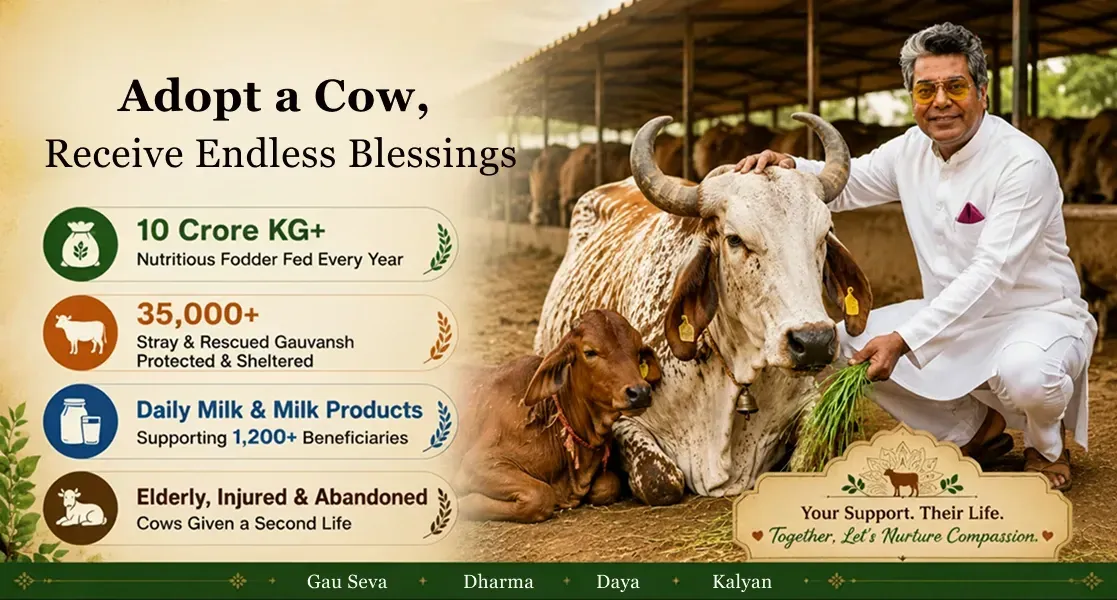
According to information shared by Krishnayan Official Website, their organization shelters and protects tens of thousands of rescued cows while managing large-scale daily feeding operations for abandoned and injured Gauvansh.
How Fodder Donation Creates Real Impact
Many people want to support animal welfare but often do not realize how essential daily feeding support is.
A rescued cow requires consistent nutrition every single day. Green fodder, dry grass, grains, and nutritional supplements help maintain health, improve recovery, and prevent disease.
Supporting fodder seva helps organizations provide:
- Daily nutritious meals for rescued cows
- Emergency feeding support during fodder shortages
- Improved health for weak and injured cattle
- Sustainable long-term care for abandoned animals
- Protection for cows that can no longer survive independently
Even a small contribution toward fodder directly supports the wellbeing of animals that depend entirely on shelter care.
A Meaningful Way to Practice Compassion
In today’s fast-paced world, people often search for ways to contribute meaningfully toward society.
Supporting fodder donation programs allows individuals to participate in compassion-driven service without requiring large commitments.
Initiatives like Krishnayan Fodder Seva Campaign help connect individuals with structured cow feeding programs focused on long-term welfare, rescue, shelter, and nutrition support for vulnerable cattle.
Such programs make it possible for anyone to directly contribute toward daily animal care while supporting a cause deeply connected with Indian tradition.
Preserving Tradition Through Action
Cultural traditions survive when values are practiced, not simply remembered.
The principle of seva teaches that genuine devotion must be reflected through compassionate action. Feeding animals that cannot care for themselves represents one of the purest expressions of kindness.
Organizations like Krishnayan continue building large-scale initiatives focused on cow protection, rescue operations, shelter management, medical care, and sustainable feeding systems for thousands of animals across India.
By supporting fodder seva, individuals help preserve both compassion and cultural responsibility.
Final Thoughts
Providing food to a hungry animal is more than charity — it is an act of humanity.
In a world where many abandoned animals silently suffer, supporting fodder seva creates immediate positive change. It ensures rescued cows receive the nutrition, care, and dignity they deserve.
Through initiatives such as Krishnayan Cow Feeding Initiative, people can transform compassion into action while supporting a cause rooted in centuries of Indian spiritual values.
Sometimes the most meaningful service begins with something simple — making sure no living being goes hungry.



























Sign in to leave a comment.