
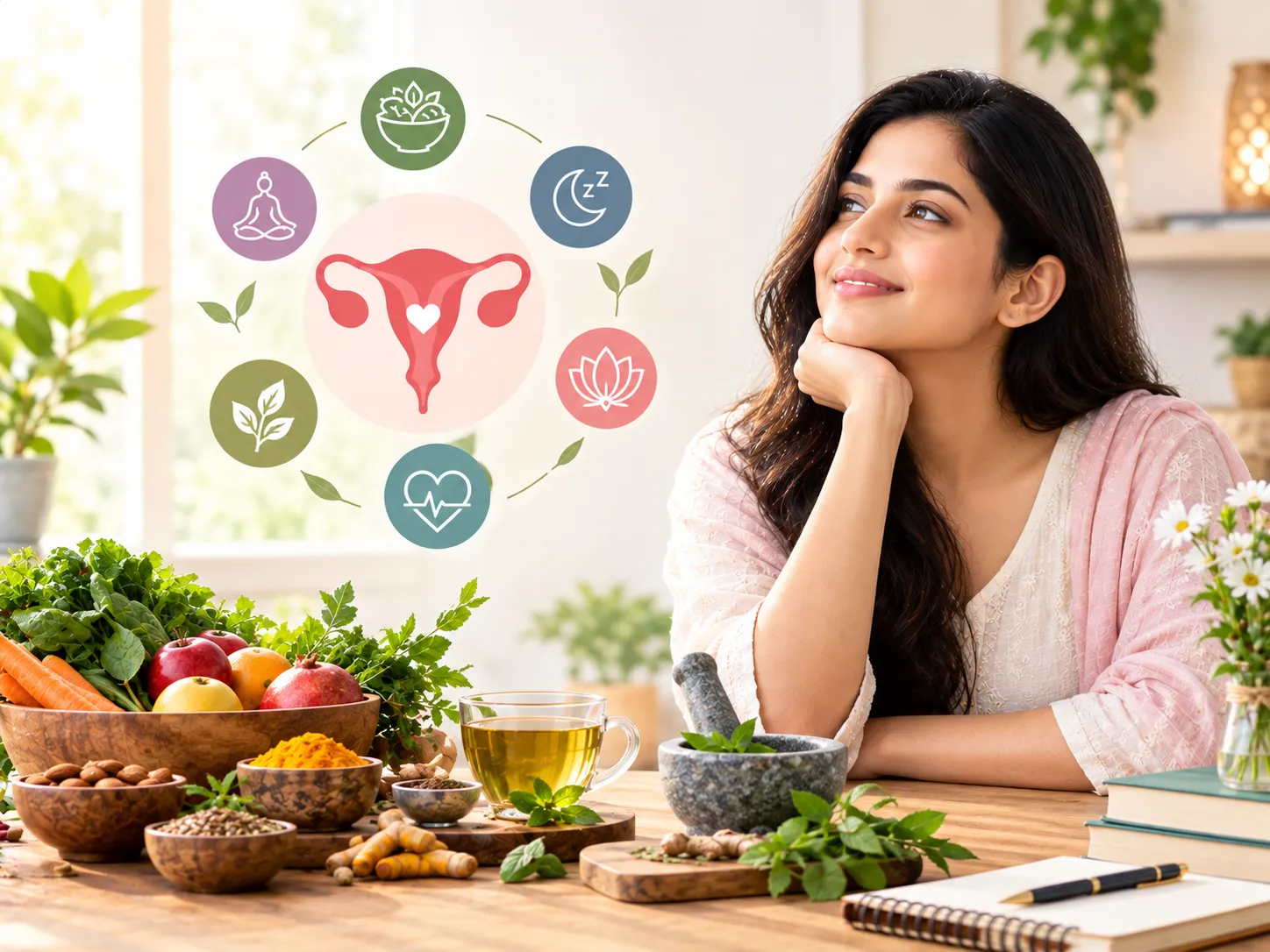
Trying to improve egg quality can feel overwhelming. There are endless food lists, supplements, and fertility tips online. But not every claim is backed by good science. A well-planned Fertility Diet for Better Egg Quality should focus on overall nutrition, healthy habits, and the nutrients your body needs before conception. If you are seeking guidance, an ayurvedic female infertility specialist in Delhi may also help you build a more personalized preconception plan alongside appropriate medical care.
The key is not one “fertility food.” It is the pattern of what you eat every day.
Can Food Really Improve Egg Quality?
Egg quality is closely linked to age and the natural biology of the ovaries. Diet cannot reverse ovarian aging or guarantee pregnancy.
Still, good nutrition matters. It supports normal hormone function, healthy metabolism, and overall reproductive health. Research on specific fertility diets is promising in some areas, but the evidence is not strong enough to say that one diet directly improves natural fertility for everyone. The American Society for Reproductive Medicine notes that healthy lifestyle changes can support overall health, while evidence for a specific diet improving natural fertility remains limited.
So think long term. Build habits that nourish your body rather than chasing quick fixes.
Best Foods to Include in a Fertility-Friendly Diet
1. Colorful fruits and vegetables
Load your plate with variety.
Berries, oranges, tomatoes, spinach, broccoli, carrots, peppers, and other colorful produce provide vitamins, minerals, fiber, and antioxidant compounds.
Antioxidants help protect cells from oxidative stress. However, more is not always better. Getting antioxidants from whole foods is generally preferable to taking large doses of antioxidant supplements without professional advice.
2. Healthy fats
Choose foods rich in unsaturated fats.
Good options include:
- Extra-virgin olive oil
- Avocados
- Walnuts and almonds
- Chia and flax seeds
- Fatty fish such as salmon and sardines
Omega-3 fatty acids are especially interesting because some observational studies have linked them with reproductive outcomes. But researchers still need stronger trials before making firm claims about egg quality.
3. Whole grains and high-fiber carbohydrates
Swap refined carbohydrates for oats, brown rice, quinoa, barley, whole-wheat roti, and other minimally processed grains.
Pair carbohydrates with protein or healthy fat. For example, try oats with nuts and seeds or a whole-grain roti with dal and vegetables.
This creates a more balanced meal and can help support steady blood sugar levels.
4. Protein from varied sources
Make protein a regular part of your meals.
Lentils, chickpeas, beans, tofu, eggs, fish, poultry, yogurt, and nuts can all fit into a fertility-friendly eating pattern.
ASRM research has found some associations between fertility outcomes and dietary patterns that include more plant protein, vegetables, whole grains, fish, and unsaturated fats. However, these findings do not prove that changing one food group will improve fertility.
Nutrients Worth Paying Attention To
Folate and folic acid: Folate is essential for cell growth and development. Folic acid supplementation before pregnancy is particularly important because it reduces the risk of neural tube defects.
ACOG recommends that women planning pregnancy take a prenatal vitamin containing at least 400 micrograms of folic acid daily, starting at least one month before pregnancy.
Food sources include leafy greens, beans, citrus fruits, and fortified grains.
Vitamin D: Vitamin D plays several important roles in the body. Deficiency is common in some populations, but taking high-dose vitamin D simply to improve egg quality is not supported by strong evidence.
If you suspect a deficiency, testing and personalized advice are better than guessing the dose.
Iron and vitamin B12: Iron supports healthy red blood cell production. B12 is important for the nervous system and blood-cell formation.
Women following vegetarian or vegan diets may need extra attention to B12 and iron intake. A healthcare professional can recommend testing or supplementation when needed.
Choline and omega-3s: Choline supports important cellular functions and becomes especially important during pregnancy. Eggs, dairy, soy, peanuts, and some meats are useful sources.
Omega-3 fats can come from fatty fish, walnuts, chia seeds, and flax seeds. Choose lower-mercury fish when trying to conceive and during pregnancy.
What About Fertility Supplements?
Supplements can fill nutritional gaps. They should not replace a balanced diet.
A prenatal vitamin is often the most practical starting point. Look for appropriate amounts of folic acid and other essential nutrients.
Some fertility supplements contain CoQ10, antioxidants, or other compounds marketed for egg quality. Research on these products is still developing, and benefits can vary by age, ovarian reserve, diagnosis, and treatment plan.
Do not assume that “natural” means safe. Herbal products and supplements can interact with medicines or may not be appropriate during pregnancy. ACOG specifically recommends reviewing supplements and herbal products during preconception care.
If male-factor fertility is also a concern, an ayurvedic doctor for male infertility can be consulted as part of a broader fertility assessment rather than treating the couple's nutrition separately.
Foods and Habits to Limit
You do not need a perfect diet. Focus on reducing patterns that may work against good health.
Limit:
- Trans fats and heavily fried foods
- Highly processed foods
- Excess added sugar
- Frequent sugary drinks
- Heavy alcohol use
- Smoking and tobacco
- Excessive caffeine
Moderate caffeine intake below 200 mg per day is not considered a major contributor to miscarriage or preterm birth according to ACOG's preconception guidance.
Also avoid extreme dieting. Being significantly underweight or overweight can affect reproductive health and pregnancy outcomes.
A Simple Daily Fertility Plate
Keep meals simple.
Breakfast: Oats with berries, walnuts, chia seeds, and yogurt.
Lunch: Whole-grain roti or brown rice with dal, mixed vegetables, salad, and curd.
Snack: Fruit with a handful of nuts.
Dinner: Grilled fish, tofu, or beans with vegetables and quinoa or another whole grain.
Drinks: Water, milk, or unsweetened beverages.
The goal is consistency, not perfection.
When Professional Guidance Makes Sense
Nutrition is only one piece of fertility care. Age, ovulation, ovarian reserve, thyroid health, endometriosis, PCOS, sperm health, medications, and other factors can influence conception.
That is why personalized guidance can be valuable. Ayu Fertility can be considered when you want a structured fertility-focused approach rather than trying random diets and supplements on your own.
Give Your Eggs the Best Nutritional Environment
There is no magic food that can guarantee better egg quality. But a nutrient-dense diet can give your body a stronger foundation for reproductive health.
Start with whole foods. Add plenty of vegetables and fruit. Choose healthy fats, quality protein, and whole grains. Take a suitable prenatal vitamin when recommended. Correct nutrient deficiencies instead of guessing. And seek professional fertility advice when conception is taking longer than expected.
Small changes, repeated consistently, are more useful than chasing the latest fertility trend. If you want a personalized plan, connect with Ayu Fertility to discuss your nutrition, lifestyle, and fertility goals with an appropriate healthcare professional.

























Sign in to leave a comment.