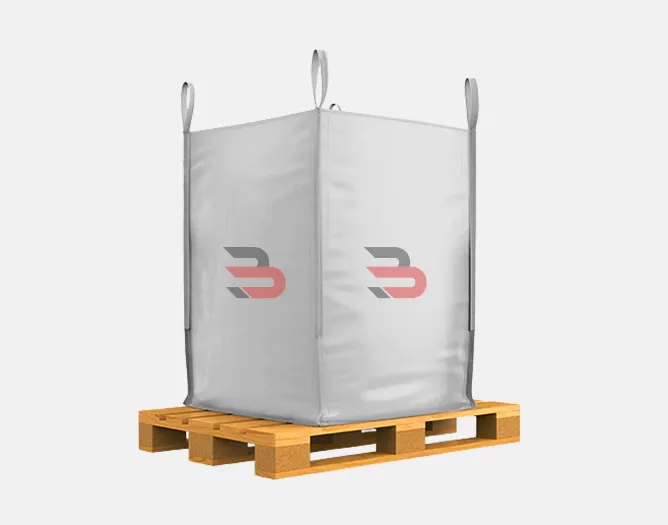


Moving and storing large quantities of dry materials can become complicated when conventional packaging is not strong enough, too expensive, or difficult to handle. Industries dealing with agricultural products, chemicals, minerals, construction materials, food ingredients, and manufacturing supplies need packaging that can carry substantial loads while remaining practical for transportation. This is where FIBC bags have become an important part of modern bulk packaging.
FIBC stands for Flexible Intermediate Bulk Container. These large, flexible containers are designed to hold and transport dry, flowable materials in considerable quantities. Often manufactured from woven polypropylene, FIBC bags combine strength, flexibility, and convenient handling. Their design can be adapted for different materials, filling systems, discharge methods, and transportation requirements, making them suitable for a wide range of industrial applications.
What Are FIBC Bags?
FIBC bags are large industrial containers made primarily from woven polypropylene fabric. They are commonly known as bulk bags, flexible intermediate bulk containers, or jumbo bags. Their construction allows them to handle heavy loads without requiring the rigid structure associated with traditional containers.
The fabric used in these bags is engineered for durability and load-bearing performance. Depending on the intended application, manufacturers can produce bags in different sizes, capacities, shapes, and configurations. Filling and discharge arrangements can also be selected according to how the material will be handled at the facility.
One of the biggest advantages of FIBC packaging is its flexibility. An appropriately designed bag can be used for materials ranging from grains and seeds to powders, minerals, construction products, and industrial raw materials. This versatility explains why businesses across multiple sectors continue to rely on bulk bags for material movement.
Why FIBC Bags Are Suitable for Industrial Applications
Industrial packaging has to deal with demanding conditions. Bags may be lifted by forklifts, stored in warehouses, loaded onto trucks, or transported over long distances. Weak packaging can lead to material loss, handling difficulties, and unnecessary operational costs.
FIBC bags are designed with these challenges in mind. Their lifting loops make mechanical handling easier, while their flexible structure allows them to occupy less space when empty. When filled, they provide a practical container for large quantities of dry goods.
For businesses handling hundreds or thousands of kilograms of material, using appropriately designed bulk containers can simplify logistics. Instead of managing many smaller bags, companies can consolidate material into larger units. This can reduce handling steps and make warehouse operations more organized.
FIBC Bags and PP Woven Packaging
FIBC bags are closely connected with the broader category of PP woven packaging. Polypropylene is widely used for industrial bags because it offers a useful combination of strength, flexibility, and relatively low weight.
The woven construction is created by interlacing polypropylene tapes to form a strong fabric. This structure can then be converted into bags according to the requirements of the application. Similar manufacturing principles are used for pp woven bags and other polypropylene bags used across agriculture and industry.
For businesses already purchasing pp bags for packaging, moving to larger FIBC containers can provide an alternative when bulk quantities need to be handled. The appropriate choice depends on material characteristics, required capacity, storage conditions, transportation methods, and filling and unloading systems.
Applications Across Different Industries
The usefulness of FIBC packaging comes from its ability to serve very different industries. In agriculture, these bags can be used for products such as seeds, grains, animal feed, fertilizers, and other dry agricultural materials. Their large capacity can make collection, storage, and transportation more manageable.
The construction sector also uses bulk bags for handling dry materials such as sand, aggregates, minerals, and certain powdered products. Manufacturing facilities may use them for raw materials, additives, powders, and other bulk inputs. Chemical industries can require specially configured bags depending on the characteristics of the material being transported.
Food-related applications may require carefully selected materials and suitable manufacturing standards. In every case, the bag should be selected according to the product being packed rather than simply choosing the largest available size.
Choosing the Right FIBC Bags
Not every FIBC bag is suitable for every application. Capacity is one of the first considerations, but it is not the only factor. Businesses should also consider the weight and density of the material, how the bag will be filled, how it will be emptied, and how it will be lifted.
The design of lifting loops is another important consideration. Bags may be configured for different handling equipment and operational requirements. The top and bottom construction can also vary depending on whether the material is loaded through a filling spout or another system and whether controlled discharge is required.
Environmental conditions matter as well. If the packaging will be exposed to moisture, sunlight, dust, or outdoor conditions, the construction should be selected accordingly. In some applications, liners or specialized fabric treatments may be useful.
Working with an experienced polypropylene bags supplier can make the selection process easier because the supplier can help match the bag configuration with the intended application.
FIBC Bags Compared With Smaller Industrial Bags
Smaller industrial bags have their place, particularly when products need to be sold or distributed in manageable retail or commercial quantities. However, bulk handling creates a different set of requirements.
FIBC bags are particularly useful when large volumes need to move between production, storage, and transportation stages. Instead of filling and moving numerous smaller containers, companies can consolidate material into larger units. This can make loading and unloading more efficient and reduce the number of individual packages handled by workers.
The decision should still be based on operational needs. For smaller quantities, standard pp woven bags may be more practical. For large-volume movement, FIBC containers can provide a more suitable packaging format.
The Importance of a Reliable FIBC Bags Supplier
The quality of the finished bag depends on several factors, including fabric construction, stitching, design, capacity, and quality control. For industrial users, selecting a dependable FIBC bags supplier is therefore an important purchasing decision.
A reliable supplier should understand that different materials and industries require different bag specifications. A fertilizer company may need a different configuration from a food ingredient manufacturer, while a construction business may require a design optimized for heavy mineral products.
Bubna Polysack Industries provides industrial packaging solutions designed around the practical requirements of businesses handling bulk materials. Along with FIBC bags, its product range includes pp woven bags, tarps, HDPE sheets, BOPP bags, kraft paper bags, and other packaging and industrial products.
FIBC Packaging as Part of a Broader Industrial Solution
Bulk packaging rarely works in isolation. Businesses often need several types of protective and handling materials throughout their operations. Alongside FIBC bags, companies may use hdpe plastic sheets for covering and protection, heavy duty tarps for outdoor applications, or custom tarps for specialized industrial requirements.
Agricultural and landscaping operations may also use geotextile fabric, weed barrier fabric, shade cloth, and related textile products. Transportation businesses can require truck tarps, while construction and storage operations may use waterproof tarp solutions for temporary protection.
This broader approach allows companies to select packaging and covering materials according to the specific stage of their workflow. Instead of relying on one packaging format for everything, businesses can build a more practical material-handling system.
Why Businesses Continue to Use FIBC Bags
The continued demand for FIBC bags is largely driven by their ability to combine capacity with practical handling. They are flexible enough to store and transport large quantities while being easier to handle than many rigid bulk containers.
Their adaptable construction also allows manufacturers to develop different configurations for different industries. Businesses can select capacities, lifting arrangements, filling options, discharge designs, and fabric specifications based on their needs.
For companies that regularly move bulk dry materials, this flexibility can make a significant difference in day-to-day operations. Better packaging can support smoother transportation, more organized storage, and more efficient material handling.
Conclusion
FIBC bags have become a practical choice for industries that need reliable bulk packaging without relying on rigid containers. Their woven polypropylene construction, flexible design, large capacity, and mechanical handling options make them suitable for agriculture, construction, manufacturing, chemicals, and many other applications.
The right packaging choice should always consider the material, load requirements, storage environment, filling process, transportation method, and unloading system. Selecting a suitable design from an experienced supplier can help businesses get better value from their packaging investment.
For organizations looking for dependable bulk packaging alongside other industrial products, Bubna Polysack Industries offers solutions covering FIBC bags, PP woven packaging, tarps, HDPE sheets, and related products. With the right packaging system in place, businesses can make bulk material handling more organized, practical, and efficient.























Sign in to leave a comment.