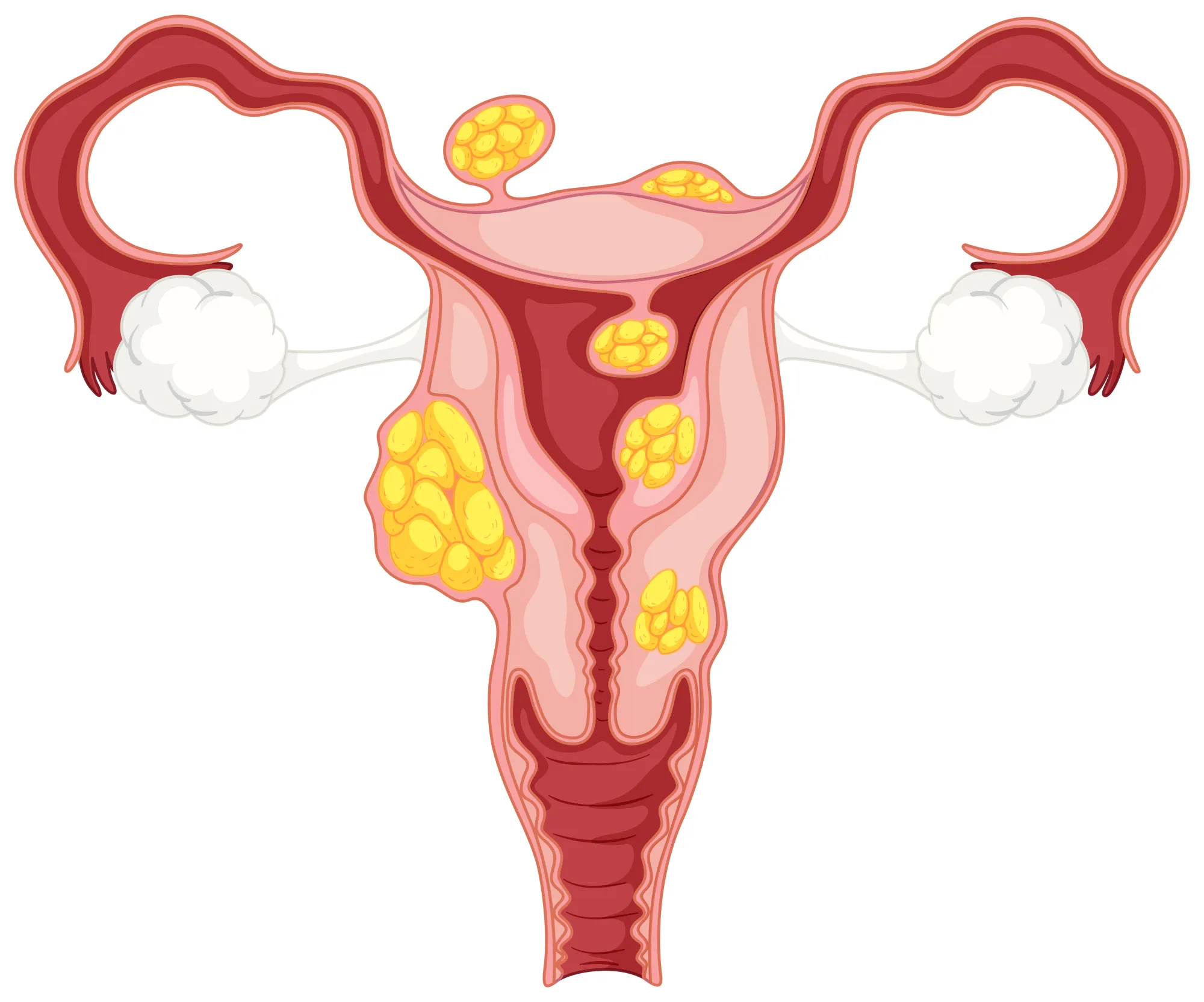

Uterine fibroids are common noncancerous growths that can develop in or around the uterus. Some women may have fibroids without experiencing any noticeable problems, while others may develop changes in their menstrual cycles, pelvic comfort, digestion, or urinary habits. Understanding these changes can help women recognize when symptoms may need further medical evaluation.
What Fibroid Symptoms Can Look Like
Fibroid Symptoms are not limited to heavy periods. Depending on their size and location, fibroids may contribute to pelvic pressure, abdominal fullness, lower back discomfort, frequent urination, constipation, painful intercourse, and fatigue associated with heavy menstrual blood loss.
Because symptoms can vary considerably, one woman may notice only changes in her period while another may experience several different problems at the same time.
A Period That Becomes Harder to Manage
One of the most recognizable changes associated with fibroids is unusually heavy or prolonged menstrual bleeding. A period that suddenly becomes much heavier than normal, lasts longer, or begins interfering with everyday activities may deserve attention.
Some women may also notice bleeding between menstrual cycles or increased menstrual cramping. Continued heavy blood loss can contribute to anemia, which may cause tiredness and reduced energy.
Keeping track of how long your periods last, how heavy the bleeding is, and whether your cycle has changed can provide useful information for a healthcare provider.
A Feeling of Weight or Pressure in the Pelvis
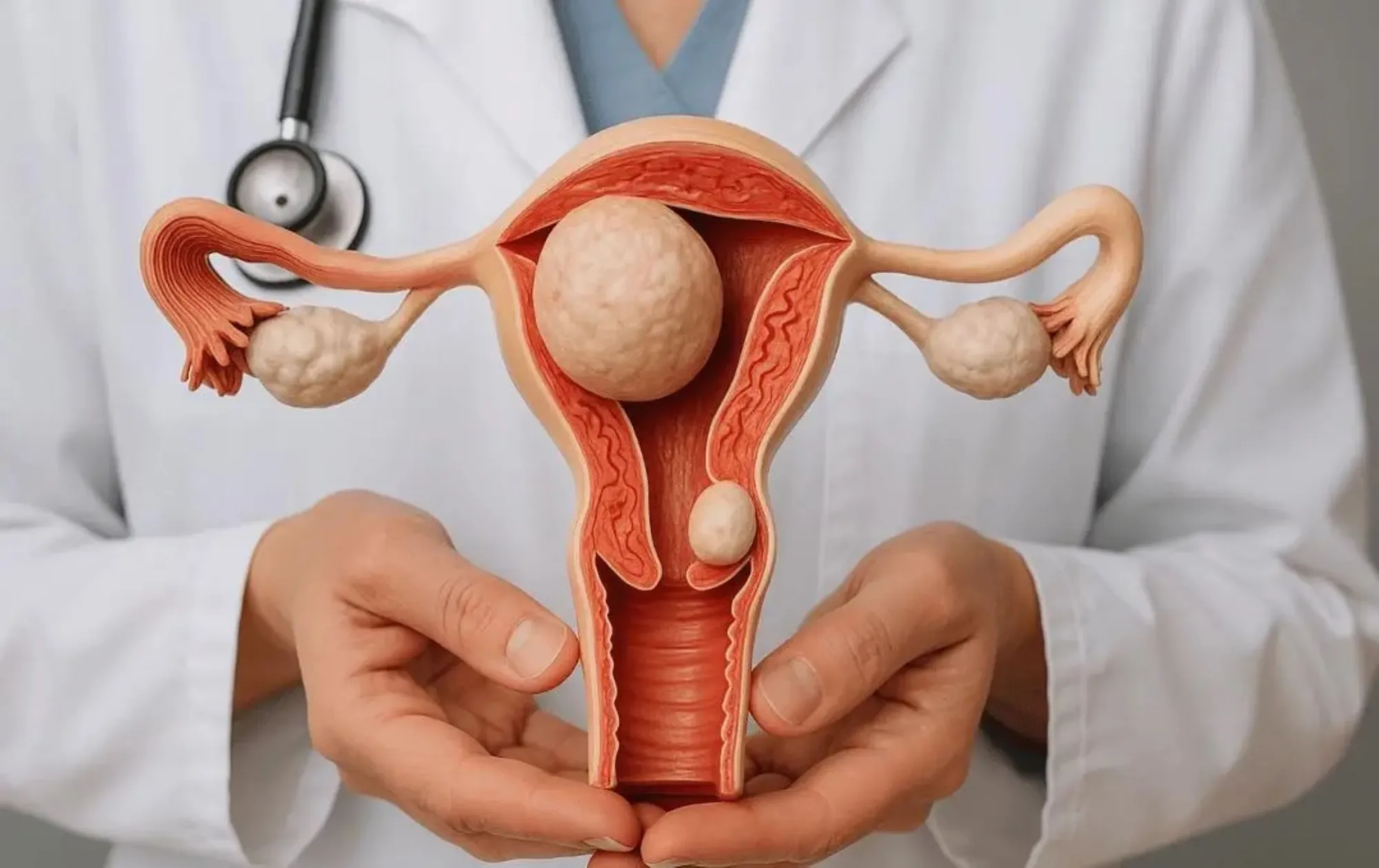
Fibroids can make the uterus larger and may create a sensation of heaviness in the lower abdomen. Instead of feeling like traditional menstrual cramps, some women describe the discomfort as pressure, fullness, or a persistent weight.
This pressure may become more noticeable when fibroids grow larger or when several fibroids are present. In some cases, the abdomen may appear more swollen or protruding.
Persistent pelvic pressure should not automatically be assumed to be caused by fibroids, since several other conditions can produce similar sensations.
When Urination Becomes More Frequent
A growing uterus or fibroid can place pressure on the bladder. As a result, some women may feel that they need to urinate more often than usual.
Possible urinary changes can include:
- Frequent trips to the bathroom
- An urgent need to urinate
- Difficulty completely emptying the bladder
- Increased nighttime urination
- A sensation of pressure in the lower abdomen
When urinary symptoms appear together with heavy periods or pelvic pressure, mentioning all of the symptoms during a medical consultation can help with evaluation.
Digestive Problems May Also Occur
Fibroids can sometimes press against structures surrounding the uterus, including portions of the bowel. Depending on their position, this pressure may contribute to constipation, abdominal fullness, or discomfort during bowel movements.
Digestive symptoms by themselves do not mean that a woman has fibroids. However, if constipation or abdominal pressure develops alongside changes in menstrual bleeding, it may be useful to discuss the complete pattern with a healthcare professional.
Pain Can Have Different Forms
Fibroid-related discomfort can vary from woman to woman. Some may experience painful periods, while others notice an ongoing ache or pressure in the pelvic region.
Lower back pain can also occur, particularly when larger fibroids place pressure on surrounding structures. Some women may experience discomfort extending toward the hips or legs.
Pain during sexual intercourse is another possible symptom. The location of a fibroid can influence whether it creates discomfort during certain activities or movements.
Fatigue May Be Connected to Heavy Bleeding
Feeling tired after a busy day is normal, but persistent fatigue combined with heavy menstrual bleeding may have another explanation. Ongoing blood loss can contribute to anemia, which may leave a woman feeling weak or lacking energy.
If fatigue continues or is accompanied by heavy periods, dizziness, weakness, or other concerning symptoms, a healthcare professional can determine whether blood testing or additional evaluation is appropriate.
Symptoms Depend on Where Fibroids Develop
Fibroids can develop in different areas of the uterus, and their position can influence the symptoms they produce. Fibroids located within the uterine muscle may be associated with heavy periods and pelvic discomfort. Fibroids growing toward the outer surface may create more pressure-related symptoms involving the bladder or bowel.
This is one reason why two women with fibroids can experience completely different symptoms.
How Are Fibroids Diagnosed?
Symptoms alone cannot confirm the presence of fibroids. A healthcare professional may review your medical and menstrual history and perform an examination. Imaging can then help identify whether fibroids are present and determine their size and location.
Ultrasound and MRI are commonly used to evaluate fibroids. Blood tests such as a complete blood count may also be considered when heavy bleeding raises concerns about anemia.
Accurate evaluation can also help distinguish fibroids from other conditions that may cause similar symptoms.
When Should You Consider an Evaluation?
Consider speaking with a healthcare professional if menstrual bleeding becomes unusually heavy or prolonged, pelvic pressure continues, pain interferes with normal activities, or urinary and digestive symptoms persist.
You should also seek medical attention for symptoms that are severe, sudden, worsening, or significantly affecting your quality of life. A proper evaluation can help identify the cause instead of relying on symptoms alone.
Understanding Your Treatment Options
Treatment depends on the symptoms, fibroid size and location, medical history, and individual goals. Some women with mild or no symptoms may only need monitoring, while others may benefit from medication, minimally invasive procedures, or surgery.
Uterine Fibroid Embolization (UFE) is one minimally invasive treatment option. It works by reducing blood flow to fibroids, allowing them to shrink over time. Whether UFE or another treatment is appropriate depends on an individual medical evaluation.
Specialized Support for Fibroid Care
Understanding the cause of persistent menstrual or pelvic changes is an important part of choosing an appropriate treatment approach. USA Fibroid Centers provides information and consultations for women dealing with uterine fibroids and their associated symptoms.
A fibroid specialist can review symptoms and imaging results and discuss available treatment approaches based on the individual situation.
Final Thoughts
Fibroids can affect more than the menstrual cycle. Heavy bleeding, pelvic pressure, abdominal fullness, urinary frequency, constipation, back discomfort, painful intercourse, and fatigue can all occur in women with symptomatic fibroids.
Some women may have no symptoms at all, while others notice gradual changes that become increasingly disruptive. Paying attention to changes in your periods, pain, energy levels, and daily habits can provide useful information when seeking medical care. If symptoms persist or interfere with everyday life, professional evaluation can help determine the underlying cause and available treatment options.



























Sign in to leave a comment.