

Knowing when to wash your siding can feel a little like guesswork. One morning you walk outside and see green fuzz growing all over the front of your house and begin immediately to wonder what to do. Most people hop on the internet looking for easy advice about house washing in Weymouth options, looking for a simple timeline to follow. The problem is that the internet usually gives you a rigid, one-size-fits-all answer that totally ignores the actual environment that is sitting right outside your front door.
Generic blogs will often tell you that washing your home once a year is an absolute must. That’s a decent starting point, but it’s not a hard rule for an annual wash. Your property is totally unique. The elements attack it differently than the house just a few streets over. If you follow a calendar blindly, you could be paying for a wash you don’t even need yet, or worse, allowing mould to quietly eat away at your paint.
If you live near the water, your home takes a much harder beating than a house located further inland. The coastal breezes carry sand, salt and constant moisture that sticks directly to your exterior walls throughout the week. That sticky salty film is an absolute perfect breeding ground for algae and mildew to take root. That lingering coastal humidity means homes near the ocean usually need a rinse far sooner than homes in dryer neighbourhoods.
Sunlight is the best natural defence your home has against all that green build-up. Those south and west-facing sides of your house get baked in direct sunlight for hours, drying out the siding right after a heavy rainstorm. Mildew spores require moisture to live, so hot, dry walls make it difficult for them to grow. Meanwhile, the shaded sides of your home remain wet all day long, providing a prime target for stubborn fungal growth.
Have a quick look at the trees and bushes planted right next to your foundation. Large trees shed leaves and pollen on your roof, creating a sticky mess that runs right down your walls each time it rains. If you have dense bushes right up against your house, they completely block the wind, trapping humid air against the paint. If you trim those branches back a few feet, it gives the building room to breathe, which physically prevents the mould from growing so incredibly fast.
Your timeline also changes completely depending on what your house is actually made of. Vinyl siding is notorious for showing every speck of dirt, especially if it’s a lighter colour. The slick plastic surface does not soak up water but the overlapping panels trap pollen and vehicle exhaust in the little horizontal grooves. A simple house washing in Weymouth service is generally all that is needed to keep vinyl clean and free from dirt without damaging the actual panels.
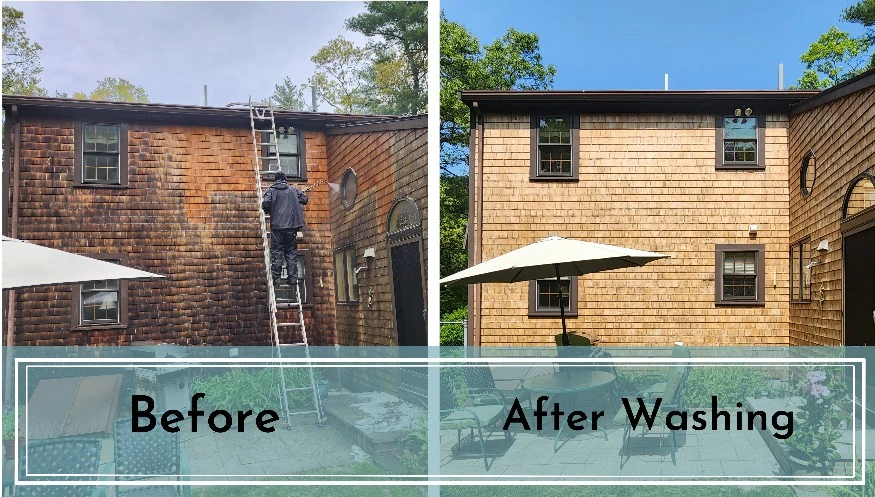
Older materials such as natural cedar shingles, brick or stucco require a much more careful approach. Wood is like a giant sponge, so if you neglect the green stains for too long, the mould will in fact root itself deep inside the wood grain. You blast these delicate materials with high water pressure and all you’ll do is shred the fibres and force water right behind your walls. You want to do a gentle, low-pressure soft wash to kill the spores safely and effectively.
The time of year you choose to do this chore also plays a role in how long the results last. Getting a wash in early spring removes nasty winter salt and sticky pollen before the heavy summer humidity settles in. In contrast, a late fall cleaning removes months of summer algae before the winter freezes begin. Cleaning the grime out early prevents dirty water from freezing and expanding inside tiny cracks in January.
If you have an older home with original wood trim and aging window seals you definitely want to stay ahead of the mess. Organic matter that sits on paint for years secretes weak acids that slowly eat away the protective finish. Washing lighter and more often prevents this chemical breakdown completely. Actually, keeping the outside clean extends the life of your paint job and saves you from a huge repainting bill down the road.
Common sense dictates staying ahead with your household budget as well. Routine maintenance is generally fairly quick and cheap since a light layer of dust comes off almost effortlessly. Let the chore go for three or four years and that thin algae will become a stubborn, hardened crust. The heavy build-up requires more aggressive treatments and significantly more labour to remove, instantly increasing the cost of the entire job.
The easiest way to find your own perfect schedule is to simply trust your eyes. The next time you schedule a house washing in Weymouth appointment, snap a quick picture of your darkest, most shaded wall right after the crew leaves. Go back to the same spot six months later and look for a faint green haze that is starting to creep back. Once you set the visual baseline, you never have to wonder when it is time to call them back.
You also have to consider how much the weather can change from one year to the next. A rainy, muggy spring can leave siding covered in algae much sooner than usual, while a dry, hot summer may keep it looking clean for well over a year. That is why it helps to stay flexible with your cleaning schedule rather than sticking to a strict yearly routine. Paying attention to what your home actually needs can help you keep it looking good without spending money on unnecessary cleaning.
Conclusion
Taking care of your siding really is just a matter of paying attention to the small changes happening around your yard. Your local climate, how much shade you get and your building materials all dictate just how often you need to reach for the hose. Watching how your property reacts to the weather can help you keep your home looking sharp year after year without having to worry about a random date on the calendar.

























Sign in to leave a comment.