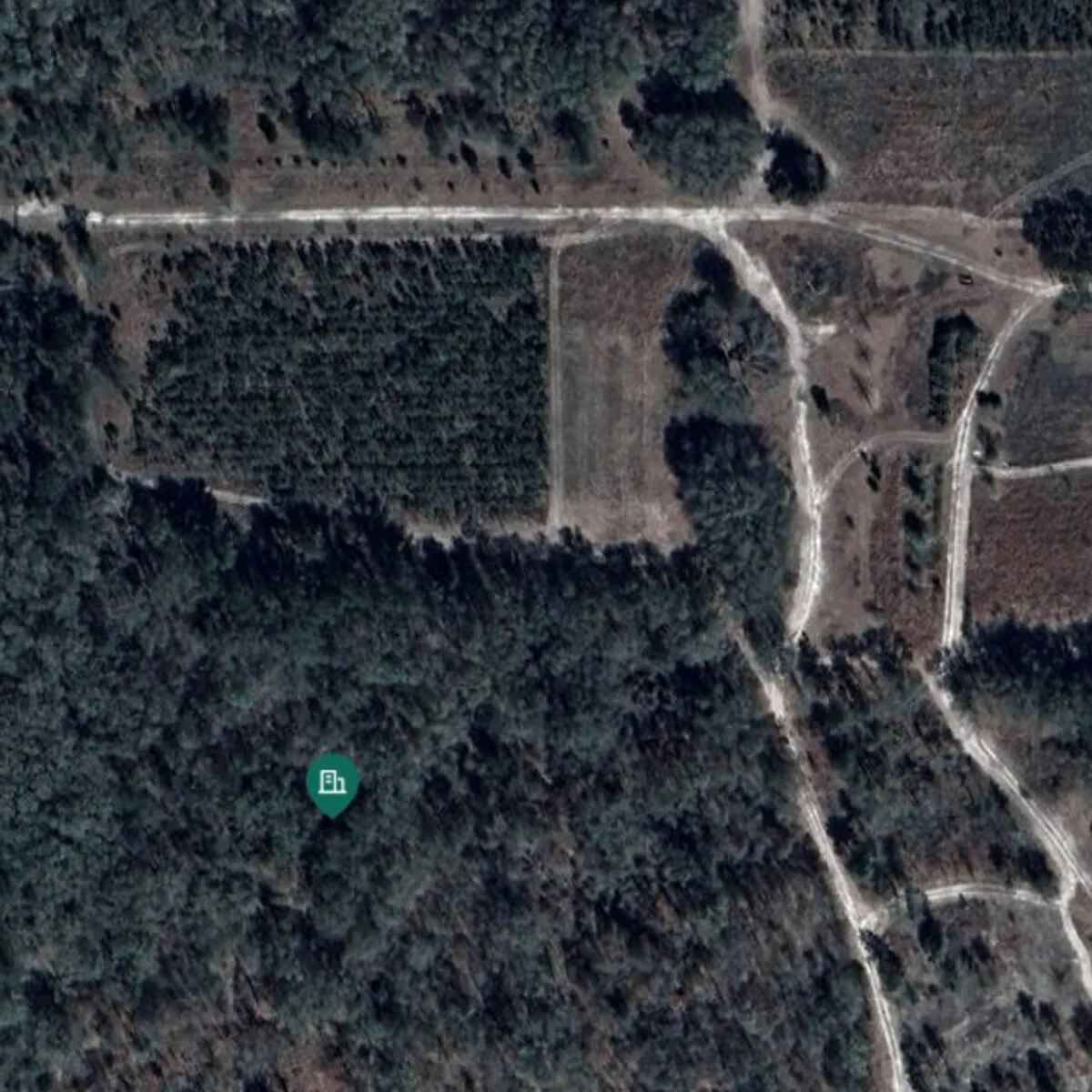

Buying undeveloped property can create opportunities for residential development, commercial projects, agriculture, recreation, or long-term investment. However, financing vacant land is different from financing a property with an existing building or established income stream. Before moving forward, borrowers should understand how lenders evaluate the property, what documentation may be required, and how the financing fits into their overall investment strategy.
What Is Undeveloped Property?
Undeveloped property, often referred to as raw or unimproved land, generally has little or no infrastructure in place. It may lack utilities, paved road access, grading, drainage, or existing structures.
Because the property does not typically generate immediate income, lenders may view it as a higher-risk asset. The property's location, accessibility, zoning, intended use, and potential for future development can all influence financing terms.
Private Capital Investors notes that financing raw land can involve different appraisal and down payment considerations than traditional property financing.
Understand How Lenders Evaluate the Land
Before approving financing, lenders generally want to understand both the property and the borrower's ability to repay the loan.
Property Location and Accessibility
Location can have a significant impact on land value. Lenders may review nearby development, road access, utilities, zoning, surrounding properties, and local market conditions.
A parcel with convenient access and clear development potential may be evaluated differently from an isolated property with limited infrastructure.
Intended Use
Be prepared to explain what you plan to do with the property. Your intended use could include developing residential lots, constructing a commercial property, expanding agricultural operations, or holding the land as an investment.
A clear plan can help lenders understand the property's potential and your expected exit strategy.
Loan-to-Value Ratio
Loan-to-value, or LTV, compares the amount borrowed with the property's appraised value. A lower LTV generally means the borrower is contributing more equity toward the purchase.
Private Capital Investors' land-loan program indicates financing of up to 70% LTV for qualifying transactions.
Prepare Your Financial Documentation
Strong preparation can make the financing process more efficient. Depending on the transaction, lenders may request financial statements, tax returns, proof of income or assets, credit information, details about the property, and documentation describing the planned use.
You should also be prepared to provide information about the purchase price and appraisal. Having these documents organized before applying can help reduce delays during underwriting.
Consider the Total Cost of the Purchase
The purchase price is only one part of the cost of acquiring undeveloped land. Borrowers should also account for appraisal expenses, legal fees, title costs, property taxes, insurance where applicable, surveying, environmental assessments, and potential infrastructure expenses.
If the property requires roads, utilities, grading, drainage, or other improvements, estimate those costs before finalizing the financing strategy.
A realistic budget helps you determine how much capital you need beyond the initial acquisition.
Compare Financing Structures Carefully
Not every land financing option is structured the same way. Interest rates, loan-to-value limits, repayment schedules, amortization, term length, closing costs, and prepayment provisions can vary between lenders.
For borrowers considering loans for raw land, comparing the complete financing structure—not just the interest rate—is particularly important.
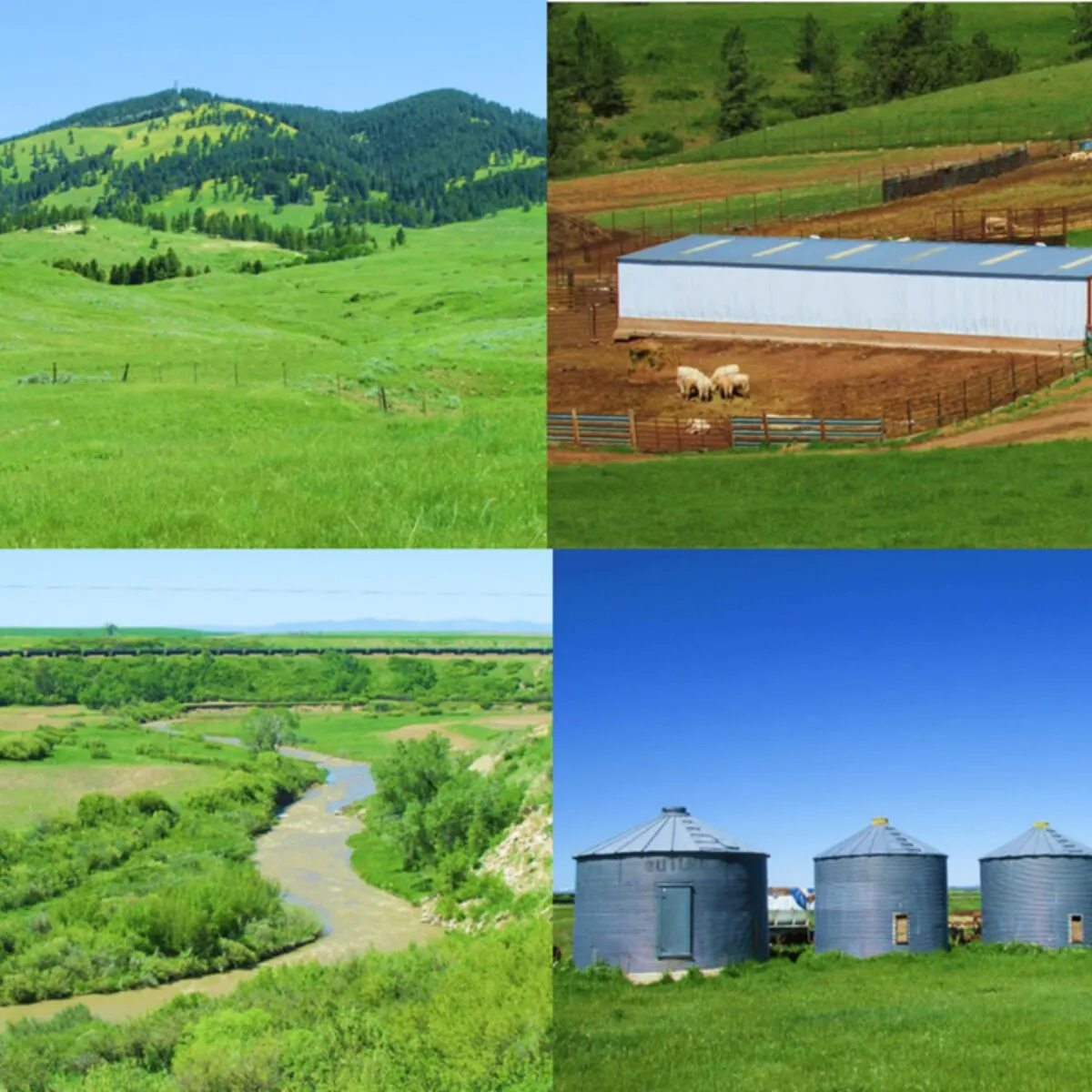
Private Capital Investors provides land financing nationwide and lists options for vacant, rural, agricultural, and other types of land. Its published land-loan information also indicates loan amounts from $3 million to $50 million for qualifying borrowers.
Have an Exit Strategy
An exit strategy explains how you expect to repay the loan. Depending on the project, repayment may come from selling the property, refinancing into longer-term financing, completing development and selling the finished project, or generating income from the land.
Having a realistic repayment plan is important because lenders evaluate whether the proposed financing can be repaid within the agreed loan term.
Final Considerations Before Buying
Undeveloped property can offer flexibility and long-term potential, but borrowers should approach the purchase with careful financial planning. Before signing a purchase agreement, investigate zoning, access, utilities, environmental considerations, development costs, market demand, and the property's current appraisal value.
You should also compare financing terms and make sure the proposed loan fits your budget and investment timeline.
Private Capital Investors offers land financing solutions for qualifying borrowers nationwide, including financing for vacant and rural land.
If you're considering purchasing undeveloped property, understanding the financing requirements before making an offer can help you prepare for the transaction and avoid unexpected funding challenges.


















Sign in to leave a comment.