

Maintaining healthy teeth requires consistent oral hygiene, regular dental examinations, and preventive treatments suited to each person's needs. Children are especially vulnerable to cavities when permanent molars emerge because their deep chewing grooves can trap food particles and bacteria. Parents searching for a Family dentist near me offering sealants can explore preventive options that help protect these vulnerable surfaces and support long term oral health. Dental sealants create a protective coating over selected tooth grooves, reducing the risk of decay. Choosing a suitable dental professional helps families understand when sealants are appropriate and how they complement daily brushing, fluoride use, and routine dental care.
Understanding the Importance of Preventive Sealant Care
Preventive dental care focuses on reducing the likelihood of oral health problems before they develop into more serious conditions. Dental sealants are thin protective coatings applied to the chewing surfaces of molars, where narrow grooves can be difficult to clean thoroughly. These coatings create a barrier that helps keep food particles and bacteria from accumulating in vulnerable areas. Sealants are often recommended for children and teenagers, although some adults may benefit depending on their dental history and tooth structure. A family dental professional evaluates each person's needs before recommending treatment. Combining sealants with regular examinations and good oral hygiene can help reduce cavity risk and support healthier teeth.
Why Children May Benefit From Dental Sealants
Children often benefit from sealants because their newly erupted permanent molars have deep pits and grooves that may retain plaque even when brushing regularly. These teeth commonly emerge around six years of age, with additional permanent molars appearing later during childhood and adolescence. Applying sealants when appropriate can help protect these surfaces during a period when brushing skills are still developing. A family dentist examines the teeth to determine whether the enamel is suitable for sealing and whether the child would benefit from additional protection. Sealants do not replace brushing, flossing, or fluoride toothpaste, but they can provide another layer of defense against cavities as children develop lasting oral hygiene habits.
Finding a Family Dentist Who Offers Preventive Services
When comparing dental practices, families should consider whether preventive care is an important part of the services provided. A suitable professional should offer examinations, professional cleanings, cavity risk assessments, and guidance about treatments such as fluoride applications and sealants when appropriate. Parents can ask how the practice determines whether a child needs sealants and how the condition of treated teeth is monitored over time. It is also helpful to understand the professional's experience working with children and explaining procedures in an age appropriate way. Clear communication helps families make informed choices and understand how preventive treatments support individual oral health needs rather than following a single approach for every patient.
Knowing When Dental Sealants Are Appropriate
Sealants are generally most useful for protecting the chewing surfaces of molars that have deep grooves and have not developed a physical cavity. The dental professional examines the tooth and determines whether a protective coating is suitable for its condition. In selected cases, an early decay lesion that has not formed a hole may also be appropriate for sealing under professional supervision. However, more advanced decay may require a filling or another restorative procedure. Sealants are not intended to cover every dental problem or replace necessary treatment. A careful examination helps identify the most suitable option, allowing families to understand whether their child needs preventive protection, monitoring, or treatment for existing decay.
What Families Can Expect During Sealant Application
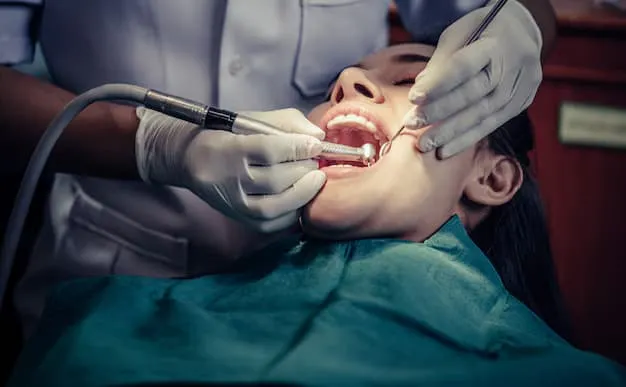
Applying dental sealants is generally a simple procedure that can often be completed during a routine dental appointment. The dentist first examines the tooth and cleans its chewing surface to remove plaque and debris. The tooth is then dried, and the surface is prepared according to the instructions for the selected sealant material. The liquid coating is placed into the grooves and hardened, sometimes with the assistance of a special curing light. Finally, the dentist checks the coating and confirms that it does not interfere with the patient's bite. The procedure usually does not require drilling or anesthesia when the tooth is suitable for sealing, making it a convenient preventive option for many children.
Helping Children Feel Comfortable During Dental Visits
A positive dental experience can help children feel more comfortable with preventive care as they grow older. Parents can prepare children by explaining that the appointment involves checking their teeth and protecting the chewing surfaces where cavities may develop. Using calm, reassuring language and allowing children to ask questions can reduce uncertainty. During the appointment, the dental professional may describe each part of the procedure in simple terms and provide encouragement throughout the visit. Parents should share any concerns about dental anxiety or previous difficult experiences before treatment begins. A supportive approach helps children become familiar with dental care and makes it easier for families to maintain regular preventive appointments.
The Role of Regular Examinations and Professional Cleanings
Dental sealants are most effective as part of a broader preventive care plan that includes regular examinations and professional cleanings. During examinations, the dentist checks the teeth, gums, bite, and existing restorations for signs of developing problems. Professional cleaning removes hardened deposits that cannot be eliminated through routine brushing alone. The recommended frequency of appointments depends on the patient's age, dental history, and individual risk of developing cavities or gum disease. Children with a history of decay may need closer monitoring or additional preventive measures. Consistent appointments also allow the dentist to check sealants for wear, damage, or partial loss and determine whether repair or replacement is necessary.
Combining Sealants With Healthy Daily Habits
Although sealants help protect vulnerable chewing surfaces, daily oral hygiene remains essential for preventing cavities throughout the mouth. Brushing twice daily with fluoride toothpaste helps strengthen enamel and remove plaque from exposed tooth surfaces. Cleaning between teeth every day helps remove food particles and bacteria from spaces that toothbrush bristles cannot reach effectively. Parents should supervise young children until they can brush thoroughly and consistently on their own. Limiting frequent sugary snacks and sweetened drinks can also reduce the repeated acid exposure that contributes to tooth decay. Drinking water regularly and following balanced eating habits support overall health while complementing the protection provided by sealants.
Understanding How Long Sealants Last
Dental sealants can provide protection for several years, although their lifespan varies according to chewing forces, the material used, and how well the coating remains attached to the tooth. Normal eating may gradually wear down a sealant, while damage or partial detachment can reduce its protective effect. During routine dental examinations, the professional checks whether the coating remains intact and whether any additional care is needed. If a sealant has worn away or developed a defect, it may be possible to repair or replace it. Families should not assume that sealants remain effective indefinitely without monitoring. Regular assessments help ensure that treated teeth continue receiving appropriate protection.
Questions to Ask Before Choosing a Family Dentist
Before choosing a provider for preventive sealant care, parents can ask which teeth are suitable for treatment, how cavity risk is assessed, and what the procedure involves. It is also useful to discuss treatment costs, expected appointment time, and whether follow up visits are needed to monitor the sealants. Families should understand what sealants can and cannot prevent, including the fact that they do not protect every tooth surface from decay. Parents may also ask about fluoride recommendations, brushing techniques, and dietary changes that could reduce cavity risk. Clear answers help families compare providers and understand how preventive care fits into a comprehensive plan for maintaining healthy teeth.
Maintaining Preventive Care as Children Grow
As children develop, their dental needs change with the eruption of permanent teeth, changes in eating habits, and increasing independence with oral hygiene. Regular appointments allow the dentist to monitor these changes and identify newly emerged molars that may benefit from sealants. Teenagers may need reminders to maintain effective brushing and cleaning between teeth as their schedules become busier. Adults can also benefit from continued preventive care, particularly if they have deep grooves, a history of cavities, or other risk factors. Establishing a consistent relationship with a dental professional helps families receive recommendations suited to each stage of life. These ongoing habits support oral health beyond the initial application of sealants.
Conclusion
Finding a suitable family dentist for preventive sealant care can help parents make informed decisions about protecting their children's teeth from cavities. Sealants can be especially useful for molars with deep grooves, but their suitability depends on tooth condition, cavity risk, and professional evaluation. Regular examinations, fluoride toothpaste, healthy eating habits, and effective daily cleaning remain essential for maintaining oral health. Families should choose a dental professional who explains treatment options clearly and monitors preventive care over time. Martinez & Martinez Family Dental Care can help families understand their preventive dental needs, explore whether sealants are appropriate, and develop practical habits that support strong teeth and healthy smiles throughout life.



















Sign in to leave a comment.