

The challenge of selling vacant land is not simply finding any buyer, but finding the one whose intended use matches what the parcel actually supports and whose financial capacity aligns with the price the parcel can reasonably command. A seller who markets a recreational parcel to residential developers, or prices a rural lot at commercial land rates, will generate inquiries from buyers who are likely not going to close.
Matching the parcel to its most likely buyer type before listing and reaching that buyer through the channels they actually use, is what separates a land sale that moves efficiently from one that sits on the market for years while the seller waits for the right person to happen across it.
Who Buys Vacant Land? Understanding the Major Buyer Types
Residential Builders and Developers
Homebuilders and residential developers are often the most active buyers of vacant land in or near growing markets. They are looking for parcels that are zoned or can be entitled for residential use, have road access and utility connections, and are priced at a level that allows a profitable margin after development costs. They are not buying based on aesthetics. They are underwriting a construction project.
Builder buyers typically move quickly when a parcel meets their criteria, but they require specific documentation upfront: zoning confirmation, utility availability, survey data, and title research. Sellers who have this documentation ready before marketing to builders compress the timeline between first inquiry and signed contract.
Land Investors
Land investors acquire parcels to hold for appreciation, resell at a margin, or generate income through leasing. Some focus on rural parcels in growing corridors. Others focus on agricultural land. Some target tax-delinquent or distressed properties at discount pricing.
According to USDA Economic Research Service data, US farmland values have appreciated consistently over the past decade, which makes farmland a documented long-term investment category that attracts both institutional and individual investor buyers.
Land investors are experienced buyers who research comparable data before making any offer. Sellers dealing with land investor buyers should price from comparable sales, have title documentation ready, and be prepared for detailed due diligence questions about access, encumbrances, and zoning.
Recreational and Lifestyle Buyers
Recreational buyers are looking for hunting property, camping land, off-grid retreats, or rural lifestyle parcels. Their priorities are different from developer or investor buyers. Access, privacy, wildlife habitat, and water features matter more than entitlement potential or proximity to infrastructure.
Recreational buyers often finance purchases through seller financing, since traditional land loans for recreational parcels can be difficult to obtain. Sellers who offer flexible financing terms can meaningfully expand the pool of qualified recreational buyers who can close on a given parcel.
Adjacent Landowners
Neighboring property owners are a consistently underused buyer channel for vacant land. They already know the area, understand the access, have no learning curve on location, and often have an existing use case for additional acreage adjacent to what they already own. Consolidating neighboring parcels into a larger holding is a practical motivation that makes adjacent owners among the most reliably motivated buyer types for rural land.
Contacting adjacent landowners before or alongside a public listing is a low-cost first step that many sellers skip. A direct letter explaining that the parcel is available and inviting them to reach out if they have interest takes minimal effort and can produce a sale without any listing platform involvement.
How to Reach the Right Buyer: Channel Strategy by Type
Online Land Listing Platforms
Online land listing platforms are the primary discovery channel for most land buyer types in 2026. Listing on platforms that attract the specific buyer categories your parcel is suited for - rather than defaulting to a general real estate portal - is a meaningful marketing decision. A rural recreational parcel gains more exposure on platforms where outdoor and lifestyle buyers are actively searching than on a general MLS.
Investor and Developer Networks
Builder and developer buyers are often not browsing listing platforms. They are sourcing from broker relationships, networking through industry associations, and maintaining direct pipelines with land agents who specialize in their target markets. Sellers who list with a land-specialist agent, or who actively reach out to local builder acquisition teams, reach this buyer type more reliably than sellers who rely on passive online exposure alone.
Direct Mail and Neighbor Outreach
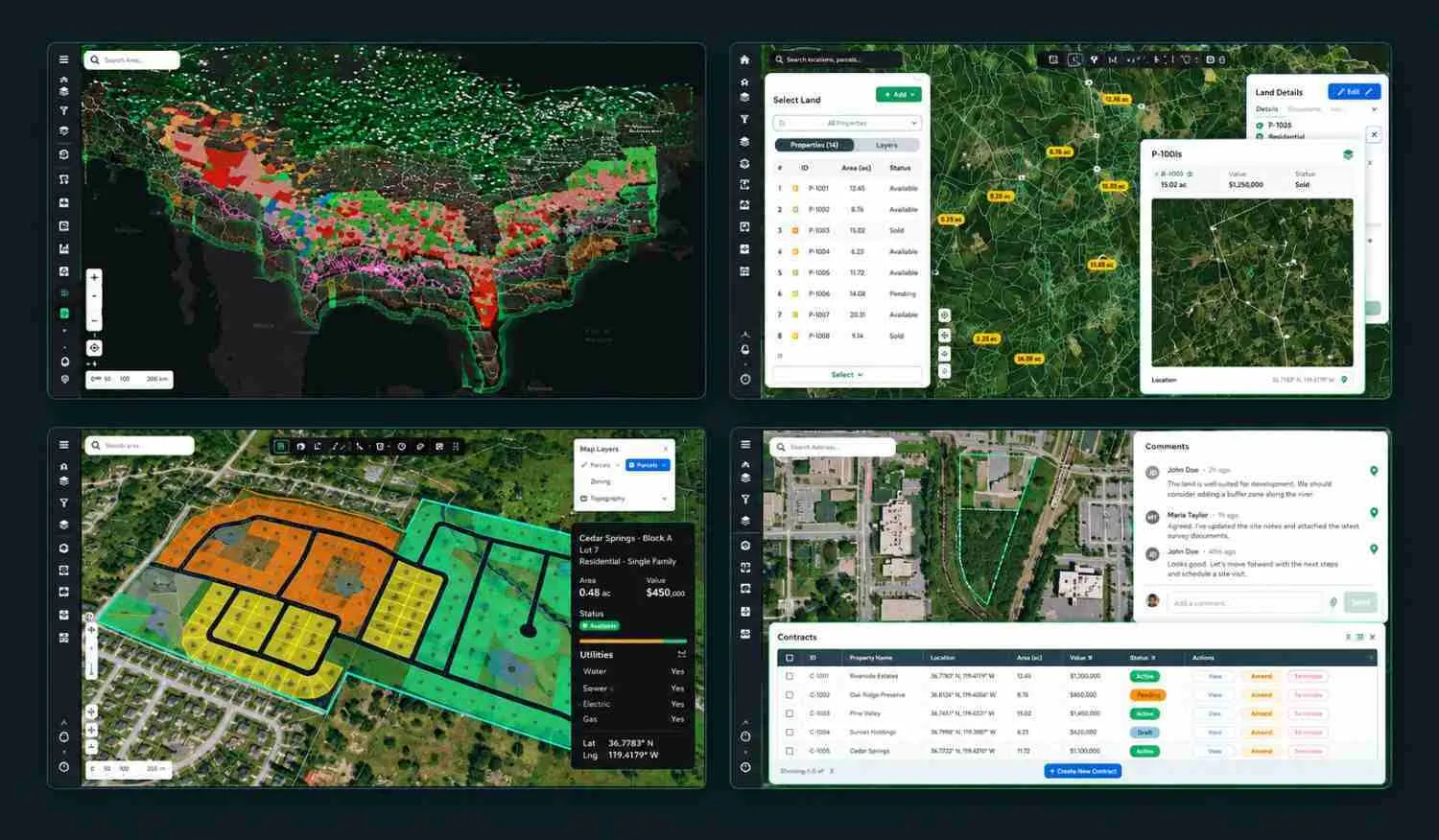
Direct mail to adjacent landowners and to the mailing addresses of landowners within the same county and land use category is a proven buyer discovery channel for land sellers. County assessor records are publicly accessible and provide the mailing addresses of every property owner in a given area. A professionally written letter explaining the parcel's characteristics, the asking price, and the seller's contact information reaches a targeted audience that passive listing platforms do not.
For sellers who want to understand how buyers use parcel data to identify off-market acquisition opportunities, how to find off-market land deals provides the buyer's perspective on sourcing parcels before they are publicly listed.
Seller Financing as a Buyer Attraction Strategy
Offering seller financing is one of the single most effective strategies for expanding the qualified buyer pool for vacant land. Traditional lenders apply stricter underwriting criteria to undeveloped land than to residential property, which means a meaningful share of motivated buyers cannot qualify for conventional financing even when they have the income and down payment to service a seller-financed deal.
Sellers who offer financing can typically command a higher purchase price, earn interest income on the outstanding balance, and attract buyers who are genuinely motivated rather than merely interested. The tradeoff is ongoing involvement in the transaction through the financing term.
Conclusion
Finding the right buyer for vacant land starts with understanding who that buyer is and what they are looking for in a parcel. Matching the parcel to its most suitable buyer type, reaching that buyer through the channels they use, and structuring the transaction in a way that removes common barriers to closing (financing, documentation, pricing alignment) is what distinguishes a successful land sale from one that lingers on the market.
For a complete step-by-step framework for taking a land parcel from preparation through closing, how to sell land step by step provides a summarized seller sequence.
For sellers evaluating whether their asking price is likely to attract the buyer types they are targeting, comparable land sales methodology explains how to use recent transaction data to set a price that reflects what the market will actually support.
























Sign in to leave a comment.