
Most people have a similar problem and want to get rid of that bag of old cables, the box of outgrown jackets, the cans that are accumulating in the garage, etc. Where is it exactly that they go? If you know what to look for, a quick recycling location search should answer that question, but before loading up the car. A few minutes of verification is better than unnecessary trips and materials in the trash.
Different materials will need to be sorted in different ways and there are many types of materials, some can be recycled close to home and others that need a specialist site. Knowing which ones should be sorted will help you put the right things in the right places, save you trips and make the most of your recyclable materials.

Why the Closest Drop-Off Is Not Always the Right One
Distance is the most obvious factor to compare, but not always the most important. A drop-off that doesn't take your item leaves you with an overstuffed trunk. Some locations accept only specific types of plastics, some don't accept bulk, and some are limited to residents of a single town. The key is to find the best fit for the item, not to get there two miles sooner.
Details to Confirm Before You Leave Home
The essentials
- Accepted materials: Look for a specific list, not a general claim like "we take everything"
- Hours and days: Many drop-offs run limited schedules, and some close for holidays
- Fees: Some items, such as mattresses or tires, may carry a disposal charge
- Residency or ID rules: Certain municipal sites ask for proof of address
- Volume limits: Large loads may require an appointment or a different facility
Prep rules people overlook
- Rinse containers so food residue does not contaminate the load
- Keep materials loose rather than bagged if the site asks for it
- Remove batteries, caps, or hazardous parts when required
Special Categories Need Special Handling
Curbside bins cover the basics, but many everyday items need a dedicated destination.
Old devices and cords
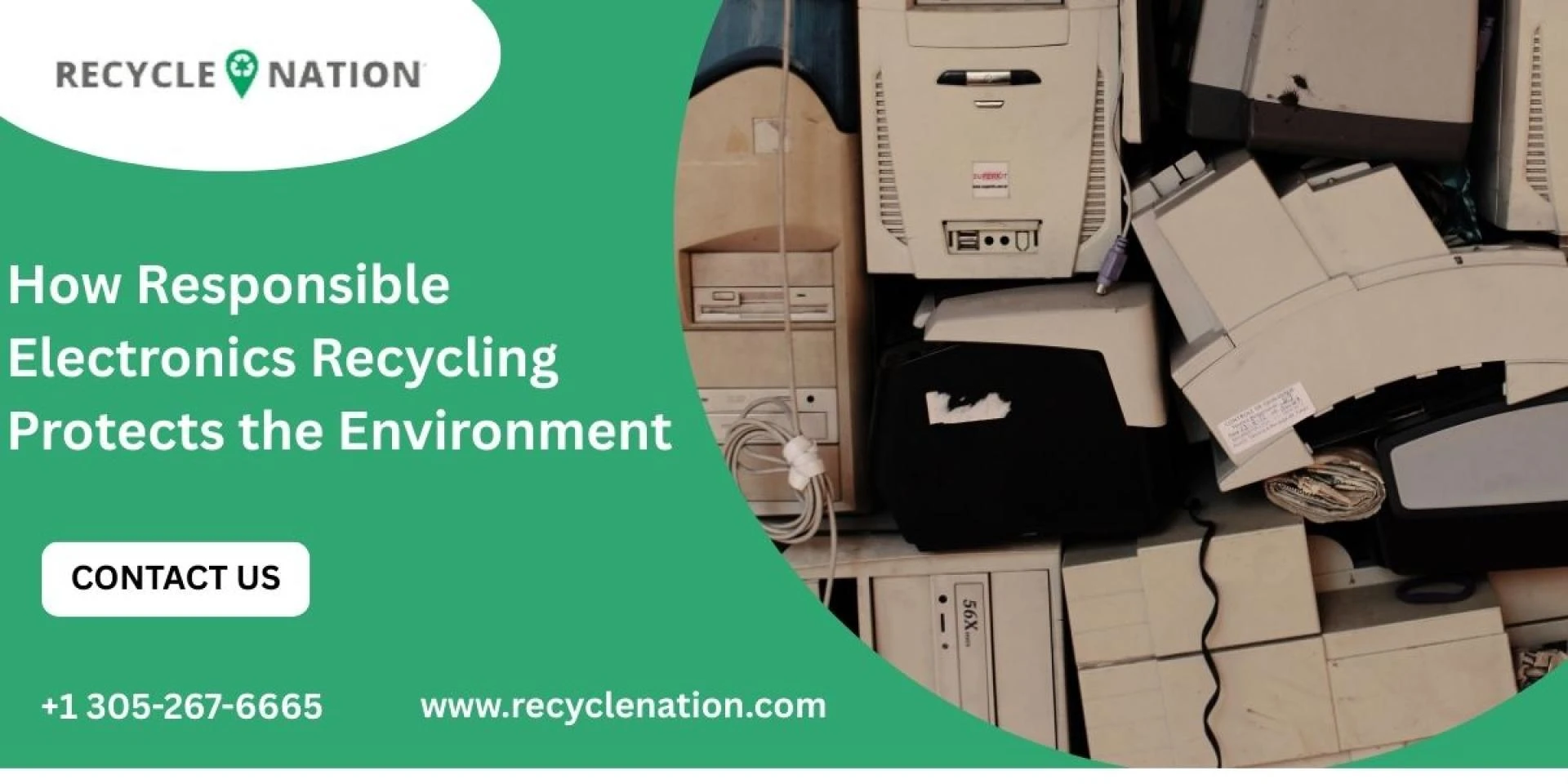
The metals and components in phones, laptops, TVs and chargers should never be part of the landfill waste stream. Proper electronics recycling ensures that the materials are reused and minimize hazardous waste. Back up, sign out and factory reset before dropping anything off. Check if the site shatters hard drives or provides hard drive destruction services, particularly for business machines.
Textiles and shoes
There are clothes in the closet that don't have to be tossed out. A textile collection program may be necessary for stained or torn clothes, and worn but usable pieces may be suitable for donation centres. Sorting is the key to effective clothes recycling, so leave donation quality clothing in a separate pile from rags and damaged clothing and verify if the facility accepts shoes, linens, and accessories.
Hazardous and bulky items
Typical household hazardous waste items like paint, batteries, fluorescent bulbs and motor oil should generally be collected at a household hazardous waste event or permanent collection. Do not mix with regular recycling, as they may cause fires and harm to the workers in the sorting area.
Reading the Search Results Critically
Online maps and directories are helpful, but listings can be outdated. Treat the result as a lead, then verify.
- Check the date of reviews and any recent photos
- Visit the operator's own website or call to confirm hours
- Look for notices about temporary closures or seasonal changes
- Compare the posted material list against what you actually have
If the listing and the website disagree, trust the website or a phone call.
A Realistic Weekend Run
Imagine a Saturday cleaning up. A broken printer, two bags of worn out sweaters, a stack of flattened cardboard and an old can of paint. One shot will likely not be effective. The cardboard fits a municipal drop-off, the printer requires an electronics collection site, the sweaters require a textile bin and the paint requires a hazardous waste site. Take time to sort the load and make 2-3 stops in one loop – otherwise it's an errand marathon!
Choosing Trustworthy Facilities
Not every collection point handles materials responsibly. Seek operators that will explain where items are taken after drop off, are certified operators or run by local governments or established nonprofits. Watch for bins without contact details as they may be unmanaged or overflowed. Trusted sites will be clear about what they accept as well as what they do after that.
Make Your Next Search Faster
If you have a great location, save it. Take note with your phone of each site, what they accept and their hours. Make a note of this list to review once or twice a year, as programs change. Once you've done a comprehensive recycling location search, you'll have the information on hand for future cleanups.
Frequently Asked Questions
Are there drop-off sites that accept the item I'd like to drop off?
Please visit the facility's website or give a call before visiting. Check for a written list of accepted and rejected materials, as general directories might not contain a comprehensive listing or be updated regularly, and make sure to check any fees or limits.
Is there any cleaning required before recycling?
Yes, if the material is not too heavy. Clean food containers and remove loose trash to prevent cross-contamination with other items in the recycling stream. If using electronic, clean personal data and adhere to site instructions for batteries and accessories.
Conclusion
Responsible disposal is mostly about preparation. Be aware of what you have, check with each site for their acceptance list, make efficient stops and have a short list of trustworthy locations. Then, you'll have a great example of a habit which makes your next recycling location search easy rather than a guessing game.
Over time, these little tasks can also help to reduce household waste and make recycling a habit. Ask family members to sort and consult with local collection schedules before discarding anything. With a bit of planning, available resources can be used on a smart basis and the amount of reusable materials sent to the landfill can be reduced.
















Sign in to leave a comment.