Finding Personalised Facial Hair Solutions With Beard Transplant in Birmingham

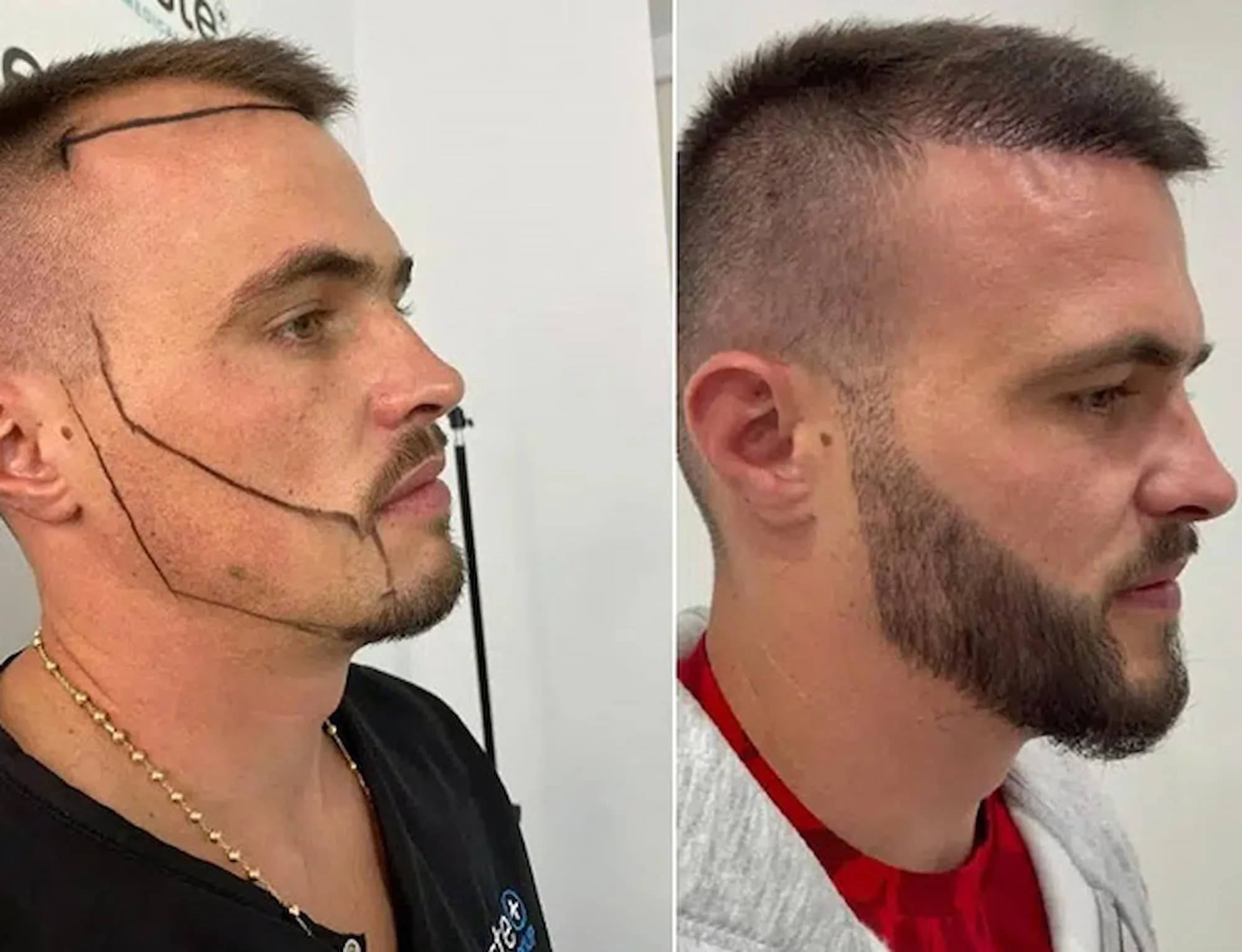
Facial hair can play an important role in defining the appearance of the cheeks, chin, jawline, and moustache, but natural growth patterns differ considerably between individuals. Sparse areas, uneven density, or previous scarring can make it difficult to achieve the preferred beard style through grooming alone. For individuals considering beard transplant in Birmingham, personalised treatment planning can provide an option for addressing specific areas where additional facial hair may be desired. Modern techniques focus on careful follicle placement, natural direction, and balanced density, helping create coverage that complements existing growth and individual facial proportions.
Understanding Personalised Facial Hair Restoration
Personalised facial hair restoration begins with understanding the individual's existing beard pattern and desired appearance. Some people may have isolated gaps on the cheeks, while others may experience limited growth across the chin, jawline, or moustache. A detailed assessment can help identify which areas may benefit from additional follicles. Facial proportions, hair characteristics, donor availability, and preferred grooming style can also influence treatment planning. By considering these factors together, the proposed approach can be tailored to the individual rather than following a standard design. This can support a more balanced and natural looking beard appearance.
Why Individual Beard Patterns Matter
Every beard develops according to a unique combination of genetics, hair characteristics, facial structure, and growth patterns. Some individuals naturally have dense coverage, while others may experience lighter areas or noticeable gaps. Understanding these differences is important when planning restoration because the new follicles need to complement existing facial hair. A treatment design can consider variations in density, direction, and texture across different areas of the face. This individualised approach can help ensure that additional coverage does not appear disconnected from surrounding growth, allowing the beard to maintain natural variation while addressing areas that may require greater density.
Addressing Sparse Cheek Areas
Sparse cheek growth can make certain beard styles difficult to maintain, particularly when individuals prefer fuller facial coverage. A restoration plan can focus on selected cheek regions where additional follicles may help reduce visible gaps. The intended cheek outline should be considered carefully so that the added growth follows a natural pattern rather than producing an overly sharp boundary. Hair direction and density can also be adjusted according to surrounding follicles. When these details are incorporated into the planning process, additional cheek coverage may blend more effectively with existing facial hair and contribute to a fuller appearance that remains proportionate to the face.
Supporting Jawline Definition
The jawline is often an important feature when creating a structured beard appearance. Limited hair growth in this area can interrupt the visual connection between the chin and side portions of the beard. Additional follicles may be planned along appropriate sections to improve continuity and support greater definition. The objective is generally to enhance existing facial characteristics rather than create an entirely different appearance. Careful placement can help ensure that the restored area follows the natural direction of surrounding hair. A balanced jawline design can therefore contribute to a more cohesive beard while maintaining appropriate proportions across the lower face.
Enhancing Chin and Moustache Coverage
The chin and moustache contribute significantly to the overall shape and character of a beard. Some individuals may have sufficient growth in one area but limited density in another, creating an uneven appearance. Restoration can be considered for selected regions where additional follicles may improve continuity. Hair direction is particularly important around the moustache because follicles naturally follow specific angles. Similarly, chin coverage needs to work with the surrounding jawline and lower facial structure. Careful planning can help these areas integrate with existing growth, creating a more consistent appearance without making the facial hair seem excessively uniform.
Considering Hair Direction and Angle
Facial hair grows in different directions depending on its location, making follicle angle an important consideration during restoration. Hair around the cheeks, moustache, chin, and jawline does not follow one identical pattern. If newly placed follicles are positioned without considering these differences, the finished appearance may look less natural. Treatment planning can therefore account for the direction of surrounding growth and the intended beard style. Appropriate placement can help the new follicles develop in a way that complements existing hair. This attention to detail can contribute to better visual integration and a more authentic overall beard pattern.
Selecting Suitable Donor Follicles
Donor follicle characteristics can influence how successfully new facial hair blends with existing growth. Thickness, texture, colour, curl pattern, and growth behaviour may all be considered during the assessment process. The availability of suitable follicles can also determine how much coverage may realistically be achieved. A professional evaluation can help identify appropriate donor areas and establish how the available follicles could be distributed. This allows the treatment plan to remain realistic while focusing resources on areas where additional growth may have the greatest visual benefit. Individual donor characteristics therefore play an important role in developing a personalised restoration strategy.
Understanding the Recovery Process
Recovery is a gradual stage of facial hair restoration, and individuals should allow sufficient time for treated skin and transplanted follicles to settle. Temporary redness, swelling, sensitivity, or small crusts may occur during the early period, although experiences vary. Newly placed hairs may also undergo a temporary shedding or development phase before mature growth becomes visible. Following recommended aftercare can help protect the treated areas during recovery. Because facial hair develops gradually, the early appearance should not be considered the final outcome. Patience and appropriate aftercare are important while the follicles progress through their natural growth cycle.
Maintaining Results Through Grooming
Grooming can help maintain the appearance of restored facial hair once sufficient growth has developed. Trimming can create a consistent outline around the cheeks, jawline, chin, and moustache while allowing the restored follicles to blend with existing hair. Beard length can also influence how facial proportions are perceived. Individuals may choose different styles according to personal preferences and daily routines. Although grooming cannot change the underlying facial structure, it can help emphasise desired areas and maintain a tidy appearance. Consistent grooming can therefore complement the restoration process and support a fuller beard that remains practical to manage.
Setting Realistic Restoration Goals
Realistic goals are important when considering facial hair restoration because outcomes vary between individuals. Donor availability, existing beard density, hair characteristics, skin condition, and healing responses can all influence the eventual appearance. Some individuals may need only limited coverage for small gaps, while others may seek broader improvement across several areas. A detailed consultation can help establish what may be achievable based on individual circumstances. Understanding these factors before treatment can help create appropriate expectations about density, growth, recovery, and styling. Personalised planning ensures that the proposed treatment reflects the individual's facial characteristics rather than relying on unrealistic standard outcomes.
Choosing a Suitable Treatment Plan
A suitable treatment plan considers the beard as part of the entire facial structure. The preferred beard shape, existing growth, facial proportions, donor availability, hair direction, and grooming habits can all influence the proposed design. Areas requiring additional coverage can be prioritised according to their visual importance and available follicles. This approach helps avoid unnecessary treatment and focuses attention on creating balanced facial hair. A carefully developed plan can also explain the expected recovery process and growth timeline. Understanding these details before treatment allows individuals to approach facial hair restoration with greater awareness and realistic expectations.
Exploring Facial Hair Restoration in Birmingham
Individuals exploring facial hair restoration in Birmingham can consider the importance of selecting a treatment approach that reflects their personal needs and facial characteristics. Local consultation allows potential patients to discuss areas of concern, preferred beard styles, existing growth patterns, and realistic expectations with an appropriate professional. A detailed assessment can help determine whether additional follicular coverage may be suitable. The process should focus on informed decision making rather than simply increasing density. By understanding the available options, recovery requirements, and potential limitations, individuals can make considered choices about whether facial hair restoration aligns with their personal goals.
Conclusion
Personalised facial hair restoration can provide an option for individuals experiencing sparse growth, uneven coverage, or limited density across selected facial areas. Natural looking outcomes depend on careful planning, appropriate donor follicles, realistic density, correct hair direction, and consideration of individual facial proportions. Recovery and long term grooming also play important roles in maintaining the desired appearance. Since each beard pattern is different, professional assessment can help establish a treatment approach suited to individual characteristics and expectations. Individuals seeking further information about facial hair restoration can consult Este Medical Group Cosmetic Surgery to discuss suitable options and personalised treatment considerations.






Sign in to leave a comment.