
Borate-treated blown-in cellulose provides a high level of safety by slowing the spread of flames and reducing smoke development during a home fire. This material consists of recycled paper fibers treated with specialized minerals that act as a fire retardant. Unlike some fiberglass options that can melt or sag when exposed to high heat, this treated cellulose forms a char layer that blocks oxygen and heat.
Understanding how these materials behave under stress is essential for any property owner. This guide explains the science behind fire-safe insulation and how it protects your structure. Industry knowledge shows that the right materials can give occupants extra minutes to escape during an emergency, making the choice of insulation a life-safety decision.

How does borate treatment improve fire safety in homes?
The primary mechanism behind borate-treated blown-in cellulose fire resistance lies in the chemical reaction between the borates and the wood fibers. When heat touches the material, the borates release moisture and create a carbonized crust. This crust acts as a shield for the unburned fibers underneath. Because the material is blown in at high density, it leaves very little room for oxygen to fuel a fire within the wall cavities.
Most people recognize cellulose as an eco-friendly option, but its safety profile is equally impressive. Market data indicates that treated cellulose can be up to 57% more fire-resistant than untreated materials. This protection is not just a surface coating; the borates are deeply integrated into the fibers during the manufacturing process.
The science of fire resistant cellulose insulation
Fire-resistant cellulose insulation works through a process called intumescence. This means the material expands slightly or changes its structure when exposed to extreme heat. While paper is naturally flammable, the heavy concentration of borates changes its fundamental reaction to fire. Instead of igniting, the paper smolders slowly without producing a large flame.
This slow-burn characteristic is what many building professionals look for in fire protection building insulation materials. It prevents the "chimney effect" often seen in hollow wall cavities. In a fire, air moves upward through open spaces, feeding the flames. By filling these spaces with dense cellulose, you effectively choke off the air supply that a fire needs to grow.
Specific borate treatment insulation benefits
Beyond fire safety, borate treatments offer several other advantages for your attic and walls. Borates are a type of mineral salt that is toxic to many common household pests but safe for humans and pets when installed correctly. This makes it a popular choice for pest and fire-resistant insulation in residential areas.
- It discourages nesting by rodents and insects.
- It inhibits the growth of mold and mildew by managing moisture.
- The mineral content does not wear off or lose its strength over time.
- It provides a consistent thermal barrier that reduces energy costs.
By choosing these materials, you are installing a multi-layered defense system for your home. The way borate improves insulation durability ensures that your investment stays effective for the life of the structure without needing frequent replacements.
Blown-in cellulose fire retardant properties and density
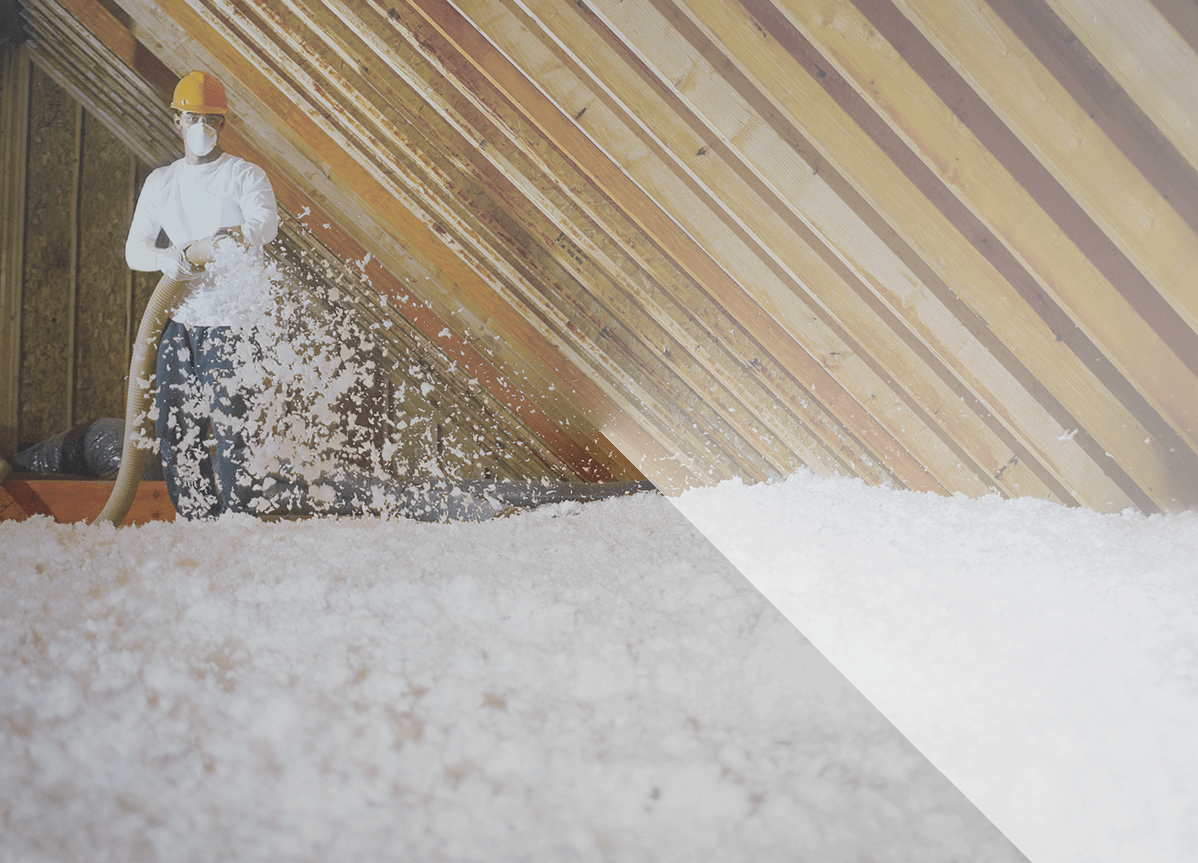
The density of the application is just as important as the chemical treatment. When a wall insulation company installs this product, they use high-pressure equipment to pack the fibers tightly. This high density creates a better thermal seal and a more effective fire barrier. Blown-in cellulose fire retardant properties are most effective when there are no voids or gaps in the coverage.
In a fire, gaps in insulation act like tunnels for heat and smoke. Dense packing ensures that every nook and cranny is filled, from the bottom plate to the top header of a wall. This level of detail is why many homeowners prefer professional installation over DIY methods.
Comparison of common insulation materials
When looking at insulation materials for fire protection, it helps to compare how different products handle heat. While some materials are naturally non-combustible, they might not offer the same air-sealing benefits as cellulose.

Comparing non-combustible insulation alternatives
You might consider non-combustible insulation alternatives like mineral wool or specialized fiberglass. While these materials do not burn, they can sometimes allow heat to transfer through the wall more quickly than dense-packed cellulose. Mineral wool is excellent for fire blocking, but it is often more expensive and harder to install in existing walls.
Eco-friendly fire-resistant insulation like cellulose offers a middle ground. It uses recycled content, provides a high R-value, and includes the added benefit of pest control. For those focused on a green building approach, the low embodied energy of cellulose makes it a top contender.
Attic insulation fire safety solutions for older homes
Older homes often have outdated insulation that may actually pose a fire risk. Some older materials are highly flammable or have settled so much that they leave large gaps. Upgrading to attic insulation fire safety solutions involves removing old, dusty material and replacing it with borate-treated options.
In the Chicago region, where winter temperatures drop significantly, having a thick layer of cellulose helps retain heat while protecting the attic from potential electrical fires. Because borate-treated blown-in cellulose installation remains stable over time, it provides long-term peace of mind for those in older neighborhoods.
Bonus Tip: Always check that the insulation you buy has a Class A fire rating. This rating confirms the material has been tested for low flame spread and smoke development.
Ensuring cellulose insulation safety and performance
To get the best results, the installation must follow specific guidelines. Professional wall insulation experts know how to work around heat sources like recessed lighting and chimneys. Even though cellulose is fire-resistant, keeping it away from direct contact with high-heat sources is still a standard safety practice.
The safety and performance of the material also depend on moisture control. While the borates help prevent mold, you should still ensure your attic has proper ventilation. A dry environment keeps the insulation light and fluffy, which maintains its thermal resistance and fire-blocking capabilities.
Insulation for code-compliant fire safety
Local building codes often require specific fire-blocking measures in multi-family units or commercial buildings. Using insulation for code-compliant fire safety helps builders meet these requirements without using harsh chemicals. Cellulose meets or exceeds most federal and state safety standards for residential construction.
The use of borate-treated blown-in cellulose ensures that the product meets the ASTM C739 standard, which covers the physical properties of cellulosic fiber loose-fill insulation. This testing includes flame spread, smoldering combustion, and moisture vapor absorption.
Determining the right thickness for your climate
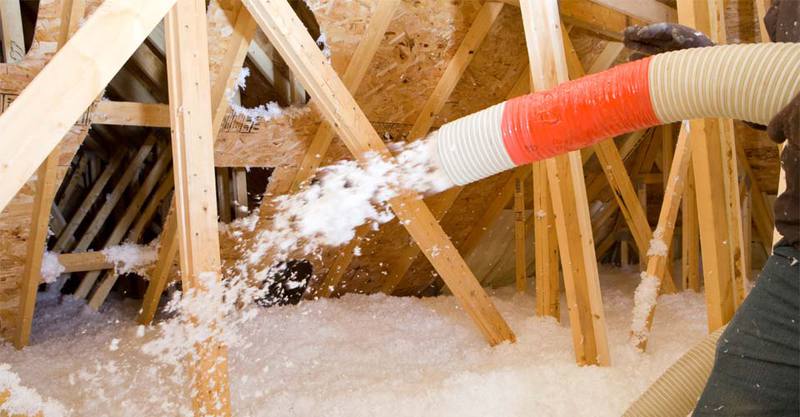
In cold climates, the depth of your insulation is vital for both warmth and safety. Most experts recommend an R-value of R-49 to R-60 for attics. This usually requires about 15 to 18 inches of material. Adding this much weight to your ceiling joists requires a professional assessment to ensure the structure can handle the load.
Bonus Tip 2: If you are retrofitting an existing wall, a wall insulation contractor can use a small hole to blow the material in. This "drill and fill" method is the best way to get fire protection into finished walls without a full renovation.
What to verify before hiring an insulation professional
Selecting the right person for the job is just as important as the material itself. To ensure the installation reaches the target density, keep the following points in mind:
- Ask if they use a 100% borate-only formula or a blend with ammonium sulfate. Borate-only is generally preferred for its better fire and pest resistance.
- Request a copy of the manufacturer's data sheet to confirm the fire rating.
- Inquire about their experience with dense-packing techniques in wall cavities.
- Verify that they are familiar with local Chicago building codes and fire safety regulations.
- Ensure they provide a certificate of completion that lists the number of bags used and the final R-value.
Working with wall insulation services that understand these nuances ensures your home is protected against both the elements and fire hazards.
Choosing a provider for your safety needs
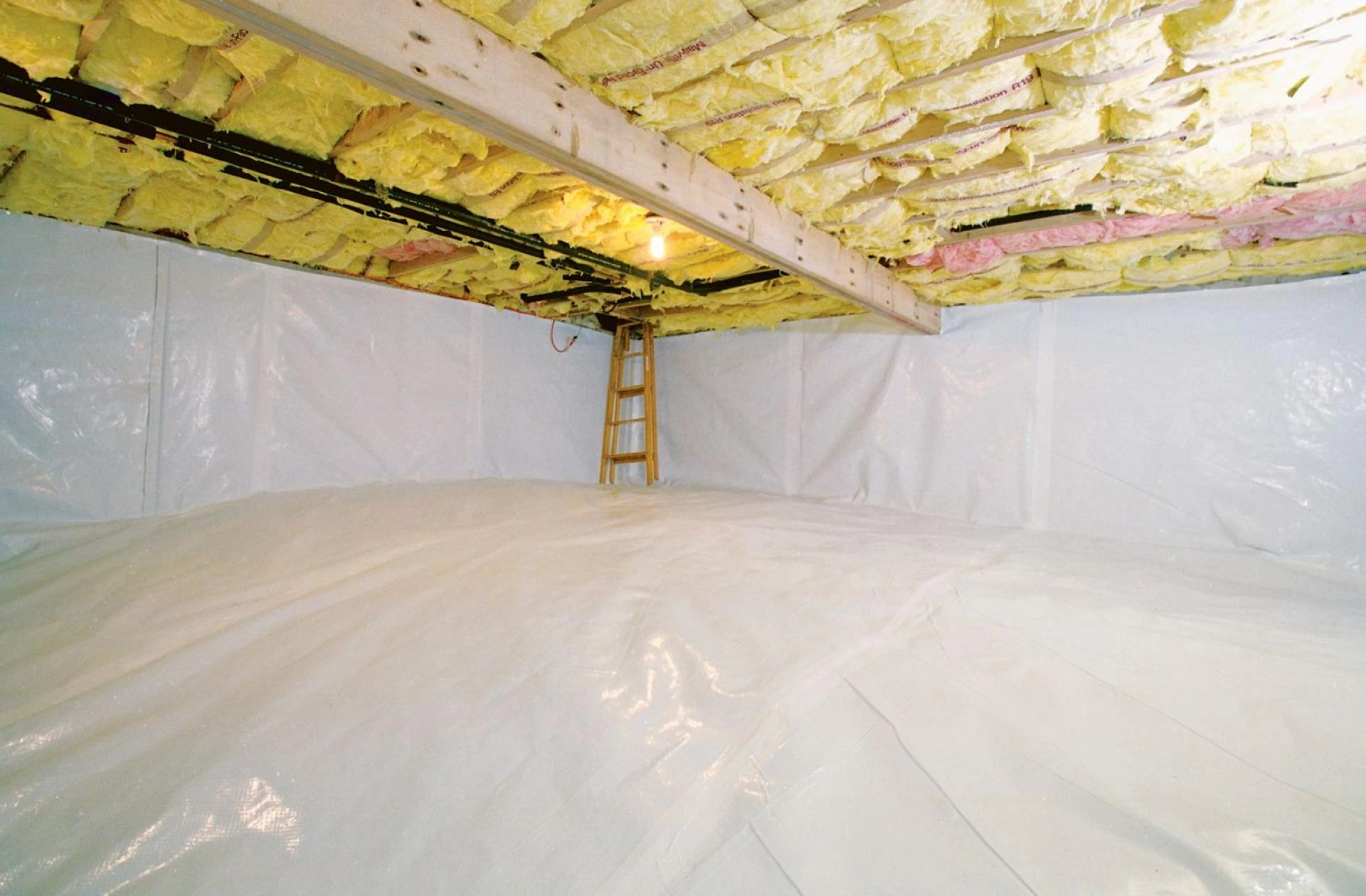
When you are ready to improve your home's safety, choosing a local specialist makes a difference. South Chicago Insulation offers a variety of solutions, including residential insulation, commercial insulation, and attic insulation. They also provide specialized services like crawlspace encapsulation and sound attenuation insulation to help you manage every part of your building's performance.
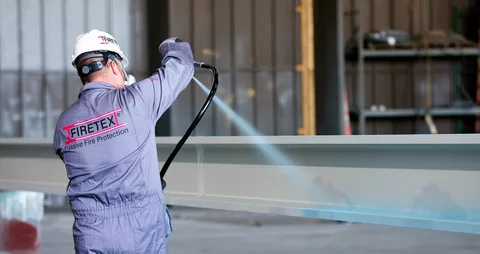
If you have a more complex project, they handle retrofit insulation and pole barn insulation as well. For those concerned with maximum fire protection, their team can discuss intumescent coatings and the benefits of blown-in insulation. You can reach South Chicago Insulation at (779) 803-8025 or via email at [email protected]. They are located at 12217 S Wood St, Blue Island, IL 60406, and you can find them on the map at https://maps.app.goo.gl/FcApTibDMiCJDMmm6. Request a free quote to see how they can help secure your property.
Final thoughts on fire-safe insulation
Investing in high-quality insulation is about more than just lower utility bills. It is about creating a safer environment for everyone inside the building. Borate-treated blown-in cellulose offers a reliable, eco-friendly way to slow the spread of fire and protect your structure. By choosing materials with high fire ratings and ensuring they are installed at the correct density, you gain a significant advantage in home safety. Evaluate your current insulation levels and consider a professional upgrade to ensure your home meets modern safety standards.
Common questions about fire-safe cellulose insulation
Is cellulose insulation more flammable than fiberglass?
No, borate-treated cellulose is often more fire-resistant than fiberglass because it does not melt and forms a protective char layer that blocks fire and oxygen.
Does the fire retardant in cellulose wear off over time?
The borate minerals used in the treatment are stable and do not evaporate or degrade, providing fire protection for the entire lifespan of the insulation.
Can I install fire-resistant cellulose over existing insulation?
Yes, you can add borate-treated cellulose over old insulation to improve fire safety and R-value, provided the attic structure can support the extra weight.
Does this type of insulation produce toxic smoke?
Borate-treated cellulose produces less smoke than many synthetic materials and does not release the high levels of toxic fumes often associated with burning plastics or foams.
How does this material help with insurance costs?
While every carrier is different, using fire-resistant and code-compliant materials can sometimes help with insurance assessments or prevent premium increases by reducing risk.














Sign in to leave a comment.