


A fireplace is supposed to be the most relaxing spot in the house. But when toxic exhaust rolls over the mantel instead of going up the roof, the night is ruined instantly. Your eyes water. The smoke alarms scream from the hallway. And your expensive couch smells like a wet campfire for weeks.
Why does this happen?
Fire needs oxygen, and exhaust needs a clear path to escape. When something blocks that path, the smoke takes the easiest route possible - right back into your living room. It usually comes down to a physical blockage, a stuck damper, or bad air pressure inside the house.
Let's fix it. Here is exactly what is causing your downdraft and how to stop it today.
1. You Forgot to Open the Damper
We have all done it. You stack the logs, strike a match, and completely forget to pull the lever.
The damper is the heavy metal door sitting just above the firebox. It controls the airflow. If you light paper with that door shut, the smoke hits a steel ceiling and bounces straight into your face.
Sometimes it gets stuck halfway. Old cast iron rusts out easily. Before you do anything else, grab a flashlight. Shine it up there and physically check the metal plate. If the handle moves but the plate stays frozen in place, you have a mechanical issue that requires a quick repair.
Quick Tip: Never close your damper until the ashes are completely cold to the touch. Shutting it while embers are still glowing traps deadly carbon monoxide inside your walls.
2. A Freezing Cold Flue is Pushing Air Down
Chicago winters do not mess around. When your fireplace sits empty for a few days, the brick freezes solid. The air inside the pipe freezes, too.
Cold air sinks. That is just basic physics.
That heavy, freezing air falls down the pipe and sits at the bottom like an invisible plug. When you start a fire under that plug, the exhaust can't break through it fast enough. The result? It spills out onto your rug.
You have to push that cold plug out first.
- Roll up a single piece of newspaper.
- Light one end so it burns like a torch.
- Hold it up high near the open damper for about two minutes.
This forces a column of hot air up the pipe. You will actually feel the draft reverse. Once the air starts pulling upward, you can safely light the real logs.
3. Severe Creosote is Choking the Pipe
Burning wood naturally creates a sticky black byproduct called creosote. It clings to the inside of your chimney liner like thick tar.
As that layer grows thicker over the years, the actual opening gets narrower. A narrow pipe just can't vent exhaust fast enough to keep up with a heavy fire. The smoke hits a bottleneck and backs up.
Creosote actually develops in three stages. The first stage is a dusty velvet coating that brushes off easily. The second stage is crunchy and flaky. The third stage is a shiny, hard glaze that looks like black glass. That third stage is highly dangerous and requires special chemical treatments to dissolve. (It is also the number one cause of dangerous flue fires).
Getting a professional chimney cleaning scrapes all that tar away and restores the pipe to its original width. If you burn wood every winter, you need this done annually.
4. Animal Nests and Fall Debris
To a local squirrel, your chimney is just a warm, safe cave. Birds and raccoons love building nests right at the top of the flue.
Raccoons are especially stubborn. They have hands, and they will literally pry off a loose metal cap to get inside. They often climb all the way down to the smoke shelf to have babies right above your damper. One nest can block the entire exhaust pipe.
Even if animals stay away, autumn winds blow a ton of junk onto the roof. That junk eventually drops down the hole.
Here is what usually blocks the pipe:
- Mud and twig nests from birds.
- Piles of wet, rotting leaves.
- Broken brick pieces from a crumbling crown.
If you smell a foul, rotting odor coming from the firebox during the summer, you probably have an animal nest up there.
5. Negative Air Pressure Inside Your House
Houses built today are wrapped up tight. We use thick insulation and heavy double-pane windows to trap the heat. But a fire needs a massive amount of oxygen to survive.
If your house is sealed completely shut, the fire gets starved for air.
To survive, the fireplace turns into a vacuum. It starts sucking air down from the roof to feed the flames. Of course, it pulls all the smoke down with it. Bathroom exhaust fans and clothes dryers make this ten times worse because they actively blow your indoor air outside, increasing the vacuum effect.
Try opening a window in the living room by just one inch. If the smoke immediately stops spilling, you definitely have a negative pressure problem.
6. Your Firewood is Way Too Wet
Wood needs to sit outside in the sun for at least six to twelve months before you can burn it. We call this seasoned wood.
If you buy green wood, it is packed with water. When you throw it on the grate, the heat has to boil off all that moisture before the log can actually catch fire. This makes a weak, smoldering fire.
Cold fires make heavy smoke. That heavy smoke doesn't have the thermal lift to climb the pipe.
How do you check your wood? Buy a digital wood moisture meter. They cost twenty bucks at the hardware store. Press the pins into the split side of a log. You want a reading under 20 percent. If it reads 30 percent, leave it in the yard for another year.
Other signs of dry wood:
- The ends should have deep, visible cracks.
- It should look dull and gray, not brightly colored.
- Smack two pieces together - they should sound hollow like a baseball bat.
Wet wood also creates creosote twice as fast. It ruins your air quality and wrecks your masonry over time.
7. The Chimney Cap Blew Away
Wind is a major factor here. A strong gust blowing across an open hole will shove air straight down it.
The cap is that little metal roof sitting on top of the pipe. It has mesh sides. It lets exhaust out while blocking rain, birds, and heavy wind drafts.
If a severe storm tore yours off, your home is completely unprotected. Every time the wind shifts, you get a face full of soot. Bolting a new cap on is a fast, cheap fix that instantly stops wind-related downdrafts.
Why You Cannot Ignore a Smoky Room
A smoky room is incredibly annoying. But the hidden threats are much worse.
Wood smoke is packed with carbon monoxide and fine particles. Breathing that for hours irritates your lungs. It is highly dangerous for kids and anyone with asthma.
Plus, a blocked pipe is a massive fire risk. If exhaust is backing up because of heavy creosote or a dry bird nest, you are one rogue spark away from a house fire. Your house is giving you a warning sign. Listen to it.
Key Takeaways
- Always warm up a freezing cold flue with a newspaper torch to get the draft pulling upward.
- Never burn wet logs. They create cold smoke and dangerous tar buildup.
- Crack a nearby window to fix the vacuum effect in tightly sealed rooms.
- Check your damper with a light every single time you build a fire.
Get the Smoke Out for Good
Trying to guess what is blocking your pipe is frustrating. Climbing onto an icy roof to check it yourself is just reckless.
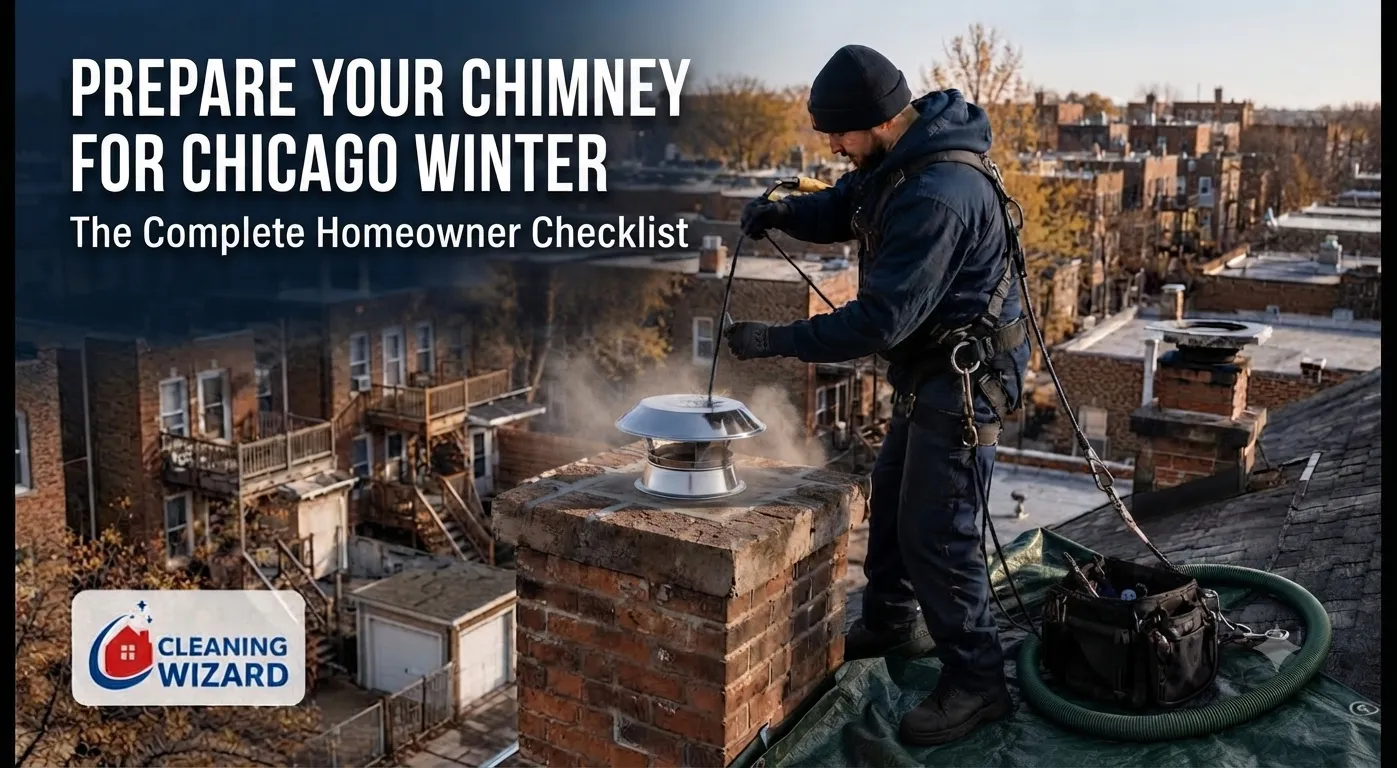
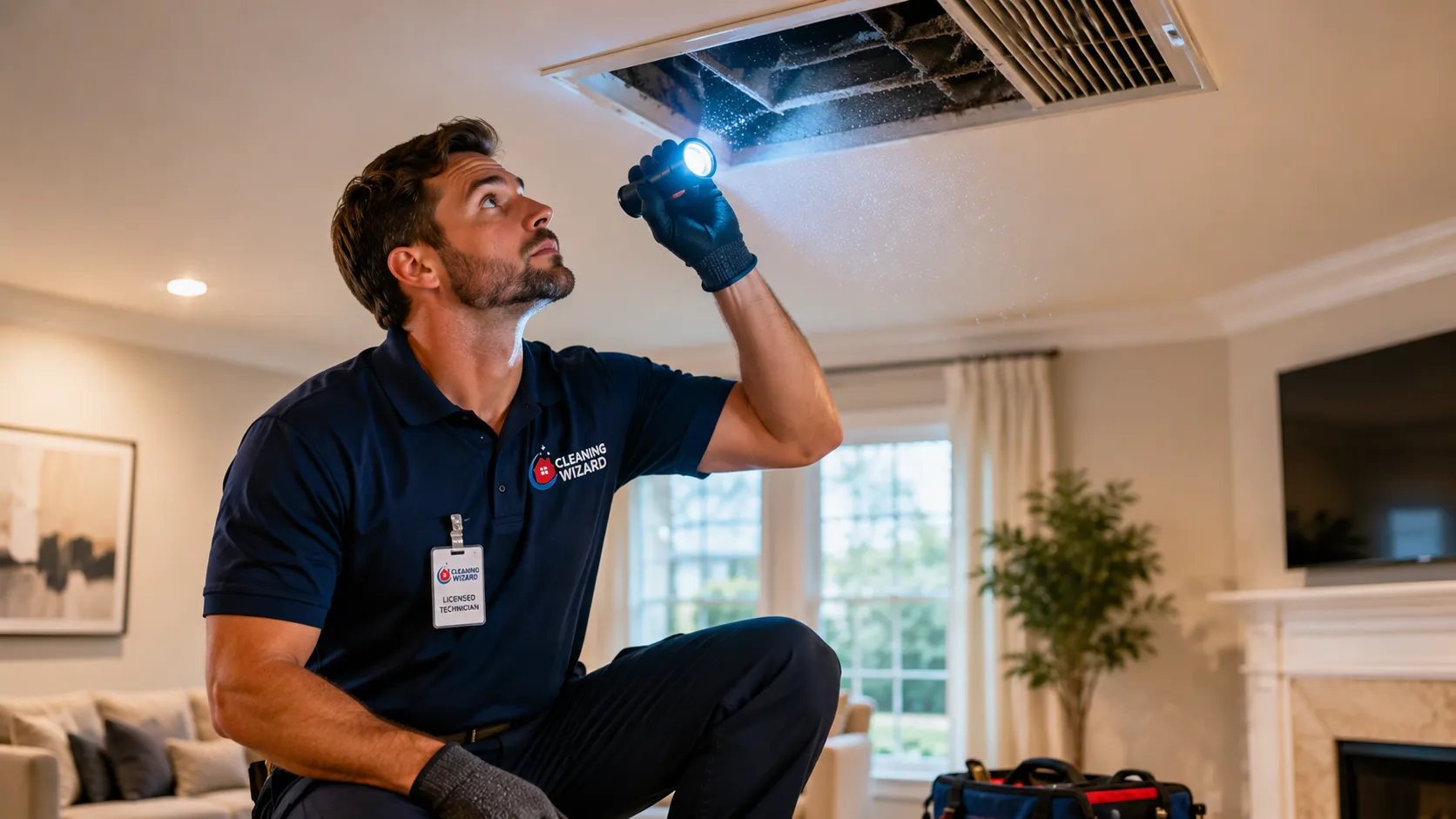
If you are tired of your Chicago home smelling like an old campfire, let the pros handle it. The crew at Cleaning Wizard deals with this exact problem every single day. They know exactly how to spot the hidden dangers you can't see from the ground.
Their expert chimney cleaning service scrapes away the dangerous creosote. They clear out the animal nests. They get your system venting perfectly again. Pricing starts at just $199. They cover your floors, use heavy-duty vacuums, and leave your living room cleaner than they found it.
Don't let another quiet night get ruined by fireplace smoke. Call them to book an inspection, and get your system working safely again.
Frequently Asked Questions
Why does my fireplace smoke only when it is windy outside?
You probably have a broken or missing chimney cap. Without that metal shield, wind blows directly down the open pipe and pushes exhaust into your living room. A good cap deflects the wind away so smoke can escape out the sides.
How do I know if my chimney is blocked?
You might smell a foul, rotting odor from the firebox. You might hear scratching noises if animals are stuck inside. The biggest clue is thick smoke spilling into the room right after you light a small fire, even with the damper wide open.
Does a dirty flue cause smoke to blow back?
Yes. Heavy creosote narrows the inside of the pipe. When the opening gets too small, exhaust can't escape fast enough, causing it to back up into the house. Routine maintenance completely fixes this.
What is the easiest way to stop negative air pressure?
Open a window in the same room by just one inch. This gives the flames a dedicated source of outside oxygen. Make sure to turn off kitchen fans and bathroom vents while the fire is going, too.
How often should a chimney be cleaned in Chicago?
If you use it regularly all winter, you need an annual inspection. Heavy soot, bad smells, or visible smoke downdrafts mean you need service right now, no matter when it was last checked.


















Sign in to leave a comment.