
Light painting is a popular long-exposure photography technique that uses moving light sources to create luminous artistic patterns in dark environments. Compared with conventional wide-angle lenses, fisheye lenses deliver ultra-wide viewing angles and unique barrel distortion, bringing surreal, panoramic visual effects that greatly enrich light painting creation.
Many creators and imaging practitioners often encounter problems such as broken light trails, blurry edge details, and uncontrollable distortion. In fact, excellent light painting works rely not only on shooting skills but also on high-quality fisheye lens optical performance. This article sorts out practical shooting settings, lens selection key points, common problem solutions and application scenarios, helping you quickly master fisheye lens light painting creation.
Why Fisheye Lenses Are Perfect for Light Painting
Fisheye lenses have irreplaceable advantages in long-exposure light painting scenarios, suitable for both artistic creation and industrial imaging testing:
Ultra-wide field of view: Standard fisheye lenses cover 180° to 245° panoramic viewing range, which can completely record spiral, circular and full-scene light trails without missing creative details.
Unique distortion aesthetics: Gentle and controllable barrel distortion bends light tracks naturally, creating popular spherical, tunnel and planet-style light painting effects with strong visual impact.
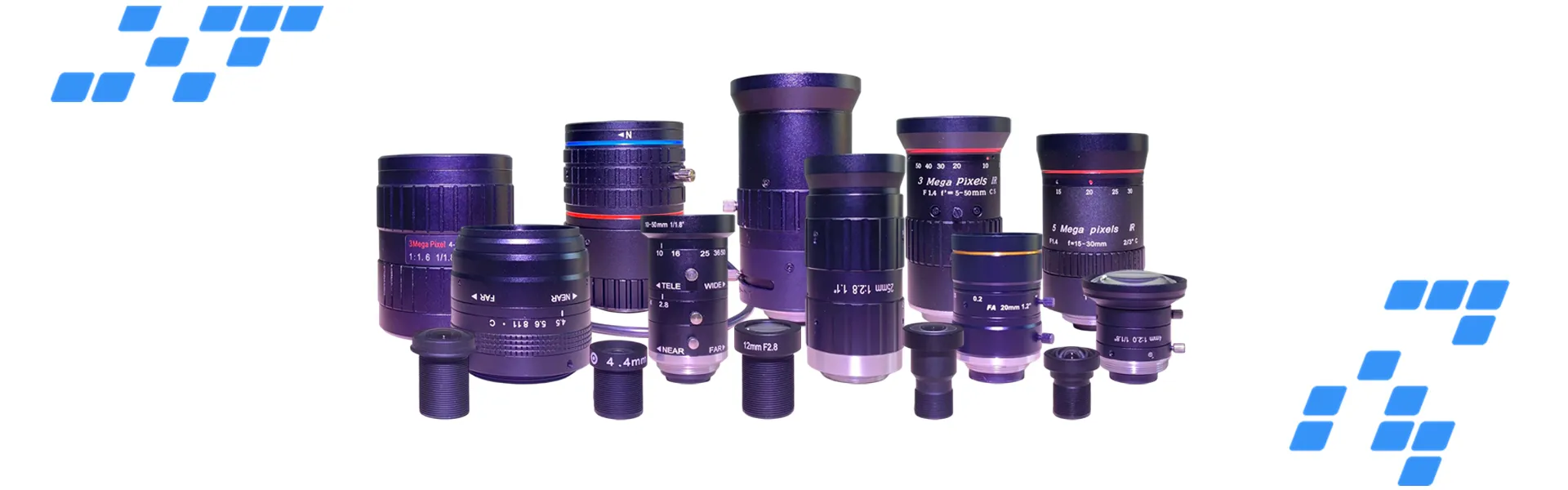
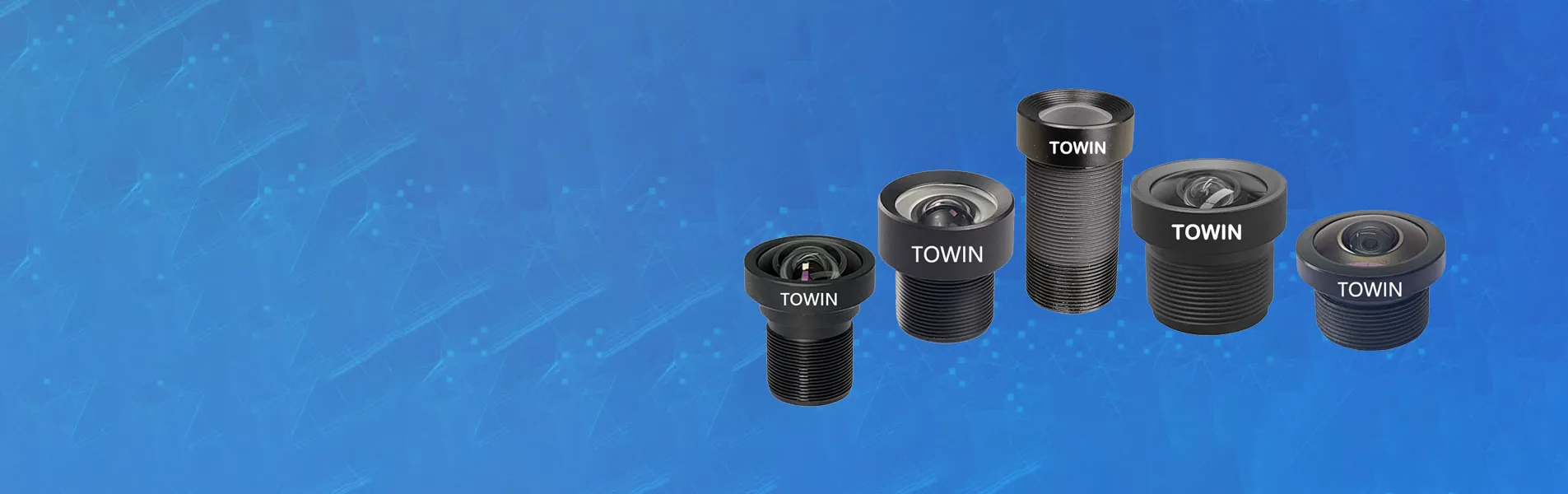
Wide compatibility: In addition to traditional photographic equipment, compact industrial fisheye lenses represented by M12 models are compatible with embedded cameras, drones and AI vision devices, realizing multi-scene creative imaging and optical performance testing.
Portable and practical: Miniature industrial fisheye lenses are small in size and light in weight, easy to carry for outdoor night shooting and drone aerial light painting recording.
Optimal Shooting Parameters for Fisheye Lens Light Painting
Stable and reasonable parameter setting is the basis for smooth and complete light trails. The following optimized parameters apply to artistic photography and can also be used for machine vision long-exposure debugging:
ISO: Keep 100–200 low sensitivity to effectively suppress long-exposure noise and ensure pure light painting picture quality.
Aperture: F8–F11 is the best choice, with sufficient depth of field to keep the center and edge light trails clear; appropriately open to F5.6 in extremely dark environments.
Shutter Speed: 10–30 seconds fixed shutter for simple light patterns; use bulb mode for complex and large-scale light painting creation.
Core Shooting Tips: Shoot in low-pollution dark environments, complete manual focusing before exposure, control the uniform moving speed of light sources, and take test shots first to adjust parameters to avoid failed shooting. At the same time, pay attention to the ultra-wide frame characteristics of fisheye lenses to avoid redundant sundries entering the picture.
Key Fisheye Lens Selection Criteria for Light Painting
Lens quality is the core factor determining light painting effect. Many low-cost fisheye lenses have clear center imaging but blurred edge details, which will cause light trail breakage and seriously affect the presentation of works. For light painting creation and imaging testing, we need to focus on the following optical indicators:
Field of View (FOV): 180°–220° is the most balanced range. Excessively wide viewing angle is easy to introduce messy background elements, while too narrow FOV cannot reflect the panoramic advantage of fisheye lenses.
Distortion controllability: Prioritize lenses with calibrated and stable distortion. Predictable barrel distortion can assist creation, while chaotic and uncontrollable distortion will destroy the overall picture rhythm.
Low-light performance: Lenses with F2.0–F2.8 large aperture have better low-light adaptability, ensuring bright and continuous light trails in dark night shooting.
Edge resolution: Excellent edge sharpness is the key to complete light trails, avoiding blurring and fracture of light lines at the frame edge during long exposure.
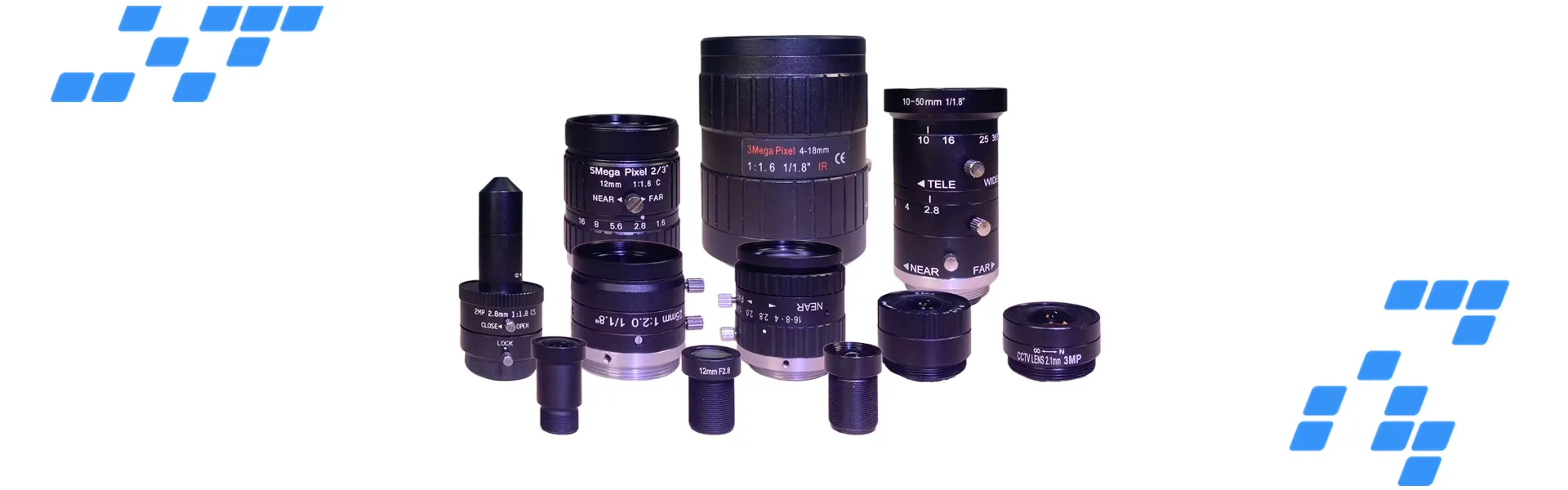
Industrial-grade M12 fisheye lenses have outstanding performance in the above indicators, which can meet the dual needs of creative photography and industrial prototype testing. Professional customized optical solutions can also be provided according to different sensors and usage scenarios.
Frequently Asked Questions
Q1: Why do my fisheye light paintings have broken and blurry light trails?
The main reasons are poor edge resolution of the lens, inaccurate manual focusing, or too fast movement of the light source. It is recommended to properly narrow the aperture, complete pre-focusing before shooting, and select high-quality fisheye lenses with optimized edge imaging.
Q2: Can industrial M12 fisheye lenses be used for light painting creation?
Absolutely yes. High-performance M12 fisheye lenses are not only used for industrial machine vision detection, but also very suitable for long-exposure creative imaging of drones and embedded AI cameras, with stable imaging quality and strong practicability.
Q3: How to improve excessive distortion in fisheye light painting?
First, select lenses with calibrated distortion parameters; second, adjust the composition to avoid key light painting elements staying at the extreme edge of the frame; finally, perform appropriate distortion correction through post-processing software.
Common Application Scenarios
Fisheye lens light painting is not limited to artistic creation, and also has practical application value in many fields: night creative photography creation, drone aerial light trail shooting, machine vision lens long-exposure performance testing, and AI smart camera prototype imaging debugging.
Conclusion
Fisheye lens light painting is a unique creative photography form that combines optical characteristics and artistic creation. Excellent works require matching shooting parameters and high-quality fisheye lens performance. Whether you are a photography enthusiast or an imaging industry practitioner, choosing a stable and high-resolution industrial fisheye lens can greatly improve the creation effect and test accuracy.
If you are looking for reliable industrial fisheye lenses, customized optical solutions and professional lens selection guidance for creative imaging and machine vision projects, you can get full technical support and product services through the official website: https://www.towinlens.com/
The official professional optical knowledge center also provides FOV calculation tools and lens selection guidelines to help users quickly match the most suitable lens products for different scenarios.























Sign in to leave a comment.