Flat Tyre but No Spare Wheel? What to Do If Your Car Has Run-Flat Tyres or a Repair Kit

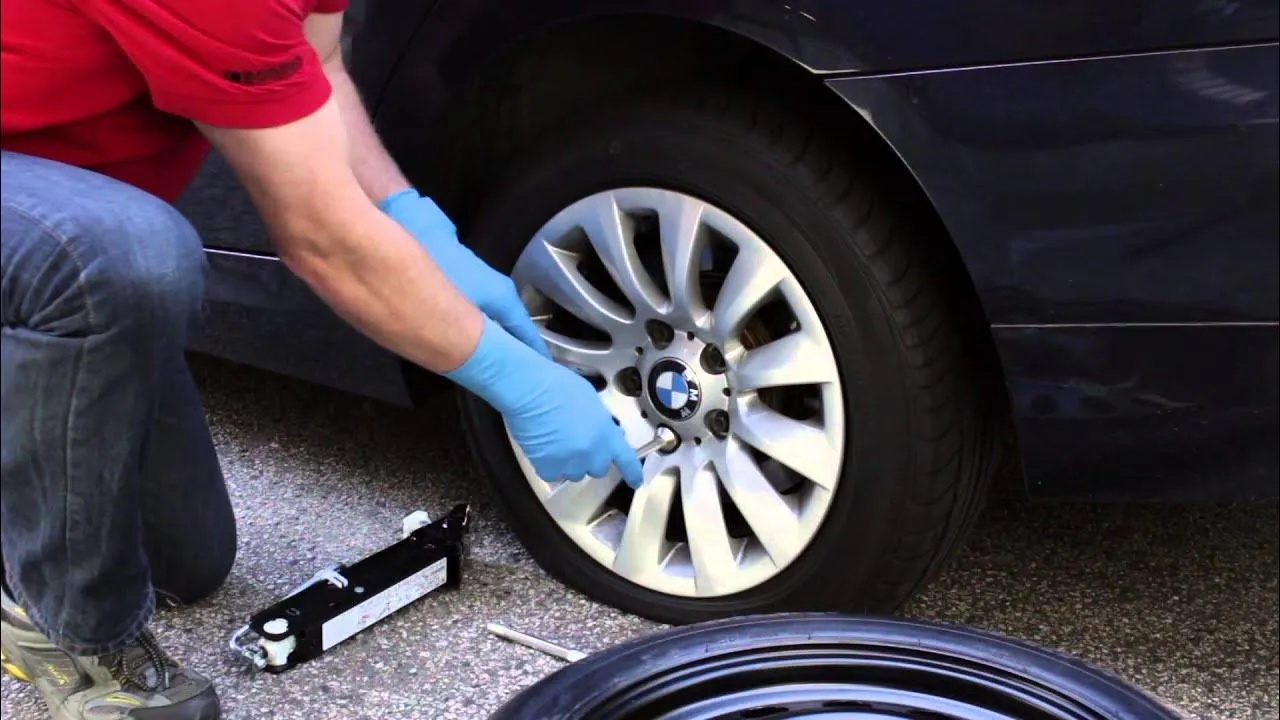
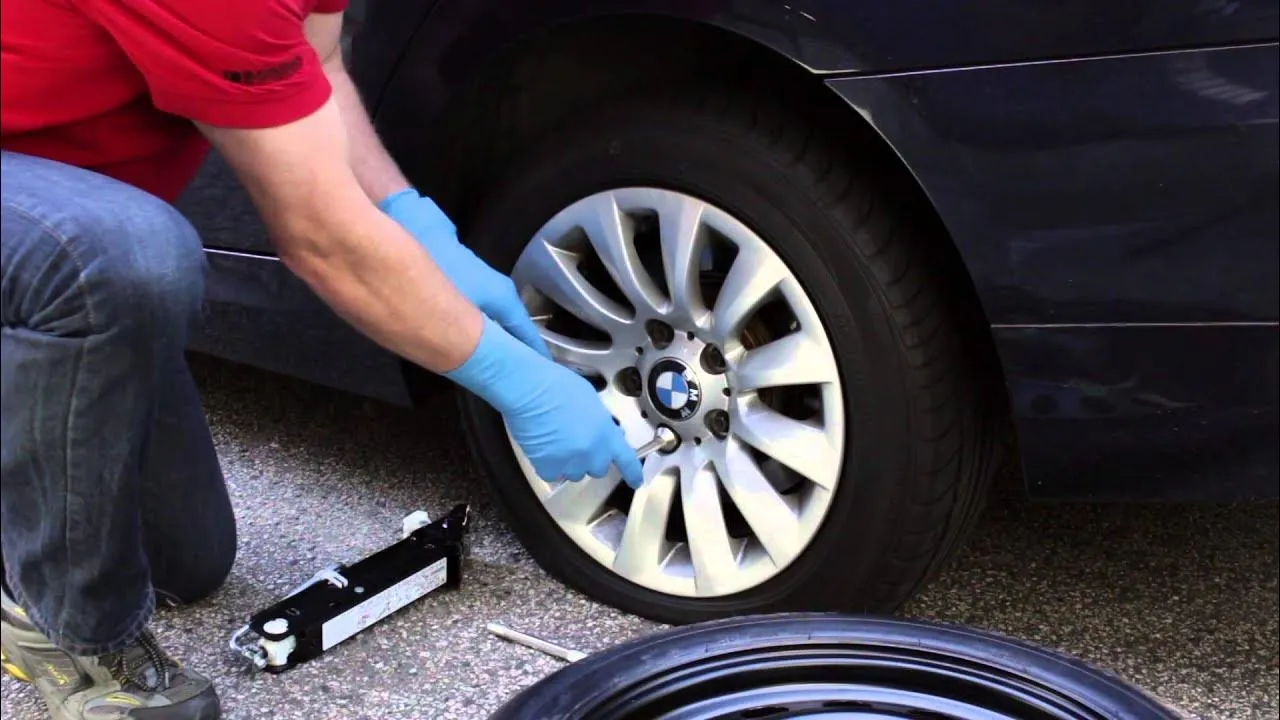
Lots of drivers in Qatar only discover their car has no spare wheel at the worst possible moment: on the shoulder, with a flat tyre, lifting the boot floor and finding a compressor and a small bottle instead of a wheel. It’s more common than you’d think. Manufacturers drop the spare to save weight and boot space, and most buyers never check.
So if you’re searching for a flat tire service near me right now, this should help you work out what you’re dealing with.
Why Does My Car Have No Spare Tyre?
Because it probably came with run-flat tyres or a puncture repair kit. They both exist to get you moving after a puncture, but they work in completely different ways, and mixing them up leads to mistakes.
Your owner’s manual will say which one you have. You can also look at the tyre sidewall for markings like RFT, ZP, SSR or “RunFlat”. If you see none of those and there’s a compressor in the boot, it’s a repair kit.
Driving on Run-Flat Tyres After a Puncture
A run-flat has a stiffened sidewall that keeps the car upright with no air in it. You can carry on driving, but gently. Makers often quote around 80 km at no more than 80 km/h, though it varies, so check what your car’s manual says rather than trusting a number from the internet.
Treat that figure as a ceiling, not a target. A heavy load, a hot road or a long stretch on the flat tyre all cut it short. And the pressure warning light matters more than people realise, since a run-flat feels almost normal to drive on even when it’s empty. Ignore the warning and you can ruin the tyre without noticing.
Here’s the catch. A run-flat that’s been driven flat often can’t be repaired, because the inside of the sidewall gets damaged. Expect to replace it, and ask the technician to look at it properly before anyone offers a patch.
What a Repair Kit Can and Can’t Do
The kit is basically sealant plus a small compressor. You connect it to the valve, the goo goes in, the tyre inflates, and the sealant plugs the hole from the inside. For a nail or screw in the tread, that often works well enough to get you to a tyre shop.
It won’t rescue a torn sidewall, a big cut, or a tyre that’s slipped off the rim. If you see any of those, stop fiddling and call someone. The kit also isn’t permanent. Most carry a speed limit, usually around 80 km/h, and tell you to get the tyre looked at soon. Let the tyre shop know you used sealant before they start, because it makes repairs messier and can foul the pressure sensor.
Should You Do It Yourself on a Qatar Road?
Depends where you are. A quiet street in Al Waab is a very different situation from the shoulder of the Doha Expressway.
On a busy road, fast traffic is the real danger, not the tyre. Put the hazards on, get yourself well away from the carriageway and wait behind the barrier if there is one. Midday summer heat makes it worse, because tarmac can get punishingly hot and nobody wants to kneel on it pumping a tyre. If you feel unsafe, call 999 for an emergency, then sort out the tyre.
When It’s Time to Call a Professional
Some situations just aren’t worth the effort. A cut or bulging sidewall, a tyre off its rim, a compressor that dies or sealant that won’t hold pressure are the obvious ones. So is any breakdown on a highway or ramp, or one at night, or one with kids in the car.
A mobile flat tyre replacement service will come to you, check the damage, and either fit a replacement or arrange a proper repair. It beats limping along on a damaged tyre and hoping.
What to Say When You Call
Give your location first, with a landmark or a pinned spot if you can. Then mention what kind of road it is, whether your car has run-flats or a kit, and the size printed on the sidewall (it looks like 225/45 R17). If you’ve already used sealant or driven on the flat, say so.
That’s really all it takes. With those details the technician can bring the right tyre the first time, so you’re not waiting around for a second trip.
What Will It Cost?
There’s no single answer. Tyre size, brand and whether it’s a repair or a replacement all move the price, and run-flats usually cost more than regular tyres. Ask for the full amount before work begins, covering the tyre, fitting, balancing and any call-out charge. A message on WhatsApp counts as a written quote.
Is a Spare Wheel Worth Buying?
For some drivers, yes. If you head out to the desert or take long drives outside the city, a space-saver or full-size spare might be worth the boot space. Not every car has the mounting points, though, so ask a tyre specialist before buying one.
Wrapping Up
A missing spare isn’t a disaster once you know what your car has instead. Run-flats get you somewhere safe, repair kits handle small punctures, and a professional deals with the rest.
If you’re stranded or can’t tell what the damage is, don’t gamble on a bad tyre. Call a professional roadside assistance team in Qatar to get a technician to your spot, and keep the number saved so help is a single call away next time.



Sign in to leave a comment.