

Have you ever finished a long day and realized how tired your body feels, even though you have not done anything particularly physical? Maybe your back feels stiff after sitting at work, your shoulders are tense, or simple activities seem to require more effort than they used to. These little experiences are easy to ignore, but they can be reminders that your body needs attention.
Taking care of your physical well-being does not always mean following an exhausting workout routine. Sometimes, the biggest difference comes from learning how to move correctly, developing strength gradually, and making physical activity a regular part of your lifestyle.
Flexology Physical Therapy & Pilates brings together two approaches that focus on movement, strength, flexibility, and body awareness. Physical therapy can help address specific movement challenges, while Pilates encourages controlled exercises that develop coordination and core strength. Understanding how these approaches work can help you take a more thoughtful approach to your wellness.
Why Your Body Needs More Than Occasional Exercise
Many people believe that exercising once or twice a week is enough to maintain an active lifestyle. While any suitable physical activity can be beneficial, everyday movement habits also matter.
Think about how much time you spend sitting, driving, working on a computer, or looking at your phone. These activities may keep your body in similar positions for long periods. Over time, limited movement can contribute to stiffness and reduced mobility.
Your muscles and joints need regular, appropriate activity. Walking, stretching, strengthening exercises, and controlled movements can all play a role in maintaining physical function.
The important thing is to find a routine that matches your abilities. You do not need to copy someone else's workout or push yourself beyond your limits. A consistent approach that respects your body's needs is a much better starting point.
Physical Therapy Helps You Understand Your Movement
Physical therapy is not simply about performing exercises after an injury. It is also about understanding how your body moves and identifying areas that may benefit from professional attention.
A physical therapist may evaluate your posture, flexibility, strength, balance, and mobility. Based on your condition and goals, they can recommend exercises designed to address specific limitations.
For example, someone recovering from a sports injury may need a gradual strengthening program. Another person might require help improving balance or managing movement difficulties during everyday activities.
Physical therapy programs may include:
- Strengthening exercises for specific muscle groups.
- Stretching activities to address limited flexibility.
- Mobility exercises for comfortable joint movement.
- Balance training to improve coordination.
- Education about posture and movement techniques.
Each program should be based on the individual's needs rather than following a one-size-fits-all routine.
Pilates Is About Control, Not Competition
One of the most interesting things about Pilates is that it encourages you to slow down and pay attention to your body.
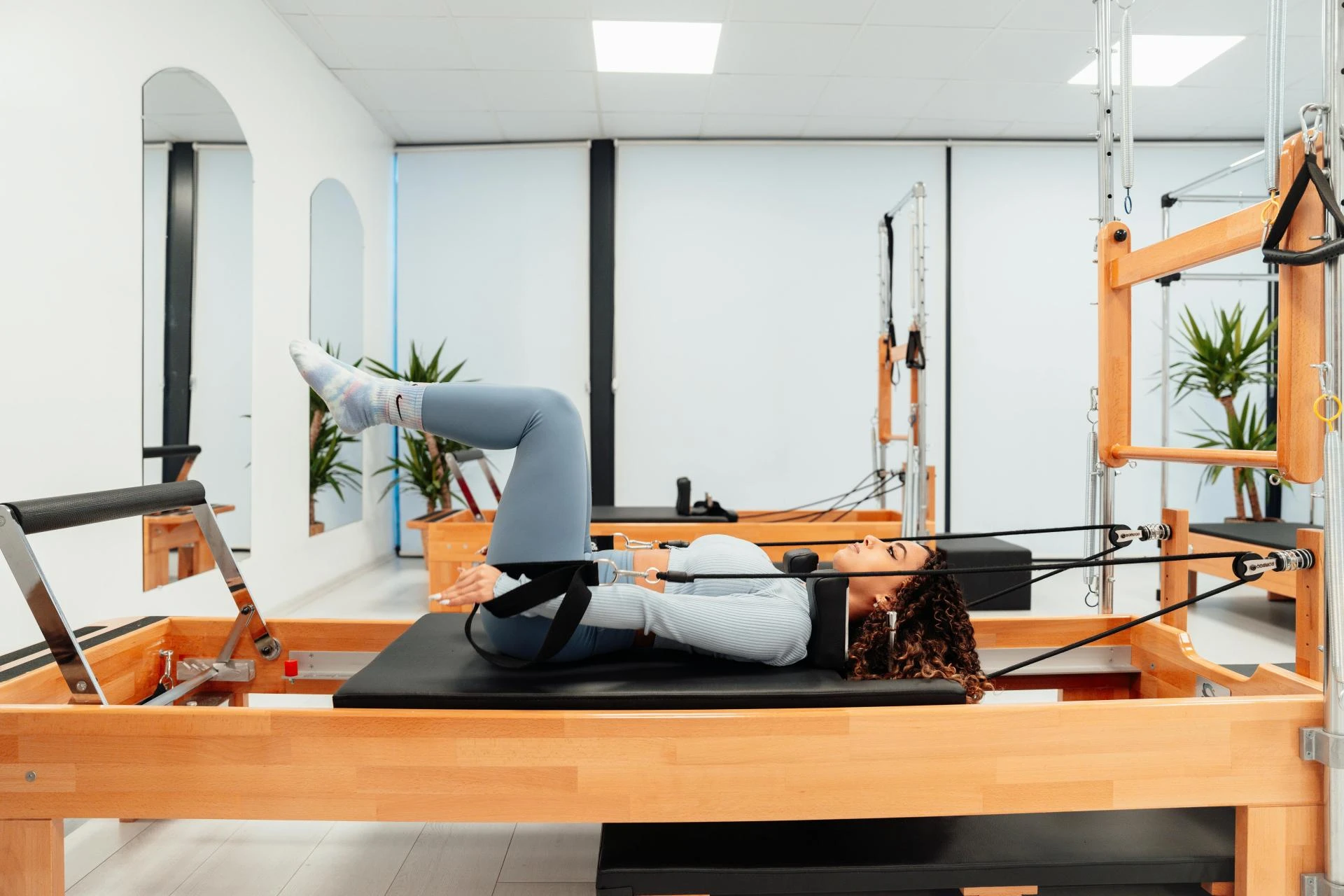
Instead of focusing only on how many repetitions you can complete, Pilates emphasizes controlled movements, breathing, alignment, and proper technique. This approach helps participants develop awareness of how different muscles work together.
Core strength is an important part of Pilates. The core muscles help stabilize the body and support the trunk during activities such as bending, walking, reaching, and lifting.
Pilates can also involve exercises that focus on:
- Improving flexibility.
- Developing muscular endurance.
- Supporting balance and coordination.
- Encouraging better body awareness.
- Practicing controlled movement patterns.
You do not need to be an experienced athlete to participate. Exercises can often be adapted to different fitness levels, allowing beginners to start with manageable movements.
Five Ways Better Movement Can Improve Everyday Life
1. You May Feel More Comfortable During Daily Activities
Everyday tasks require a combination of strength, flexibility, and coordination. Getting out of a chair, carrying shopping bags, reaching overhead, and climbing stairs all involve different muscle groups.
A suitable exercise routine can help develop the physical abilities needed for these activities. Gradual improvement may make daily movements feel more manageable.
2. You Can Work Toward Better Posture
Poor posture can become a habit when you spend long hours sitting or looking down at electronic devices.
Exercises that develop core strength and body awareness may help you recognize how you position your shoulders, back, and pelvis. Small changes to your workstation and regular movement breaks can also support better posture habits.
3. Your Flexibility Can Receive More Attention
Flexibility plays an important role in how comfortably your body moves. Stretching and appropriate mobility exercises may help improve your range of motion.
The goal is not to become extremely flexible. It is to develop enough comfortable movement for your daily activities and personal goals.
4. You Can Develop Better Balance
Balance is something people often overlook until they experience difficulty with it. It plays an important role in walking, standing, changing direction, and navigating different surfaces.
Controlled exercises can help develop coordination and awareness of body position. A professional can recommend suitable balance activities according to your abilities.
5. You Can Build a More Sustainable Fitness Routine
An effective routine should fit your lifestyle. If your exercise schedule is too demanding, maintaining it may become difficult.
Physical therapy and Pilates can encourage a more thoughtful approach by focusing on suitable movements and gradual progress. Finding activities you enjoy can also make consistency easier.
How Physical Therapy and Pilates Complement Each Other
Although physical therapy and Pilates have different purposes, they share an interest in improving movement quality.
Physical therapy focuses on evaluating and addressing specific physical limitations. Pilates provides structured movement practice that emphasizes strength, control, flexibility, and coordination.
For example, a person who has progressed through an appropriate stage of injury rehabilitation may want to explore Pilates as part of a broader fitness routine. With professional guidance, selected exercises may help support continued movement development.
However, these approaches are not automatically suitable for everyone. People with ongoing pain, recent surgery, or medical conditions should consult a qualified healthcare professional before beginning new exercises.
What Happens During Your First Session?
Trying something new can feel uncomfortable, especially if you have not exercised regularly. Knowing what to expect can make the experience less intimidating.
A physical therapy session may begin with a conversation about your movement concerns, previous injuries, daily activities, and goals. The professional may then assess your mobility, strength, posture, or balance.
A Pilates session may include breathing exercises, controlled movements, core-focused activities, and stretching. Your instructor can explain the techniques and help you understand how to perform each exercise correctly.
You should feel comfortable asking questions and discussing any difficulties. A good program should be adjusted to your needs rather than expecting you to perform every movement perfectly from the beginning.
Simple Habits That Support Healthy Movement
Professional sessions can be helpful, but your daily habits also contribute to your overall physical routine.
Here are a few practical ways to stay active:
- Break up long sitting periods: Stand, walk, and change positions regularly.
- Walk when possible: Choose a comfortable pace and build activity gradually.
- Pay attention to your posture: Make adjustments when working at a desk or using your phone.
- Practice suitable stretching: Choose gentle movements that match your flexibility and abilities.
- Allow recovery time: Give your body enough rest between challenging activities.
- Stay consistent: Focus on manageable activities you can maintain over time.
Small habits may not produce dramatic changes overnight, but they can help create a healthier relationship with movement.
Choosing a Program That Matches Your Needs
Before starting a program, consider what you want to achieve. Are you interested in improving flexibility? Do you want to develop core strength? Are you recovering from an injury or hoping to become more active?
Your answers can help guide your decision.
Look for qualified professionals who understand individual movement needs and can explain why particular exercises are recommended. Ask whether activities can be modified and how progress will be evaluated.
Most importantly, choose an approach that makes you feel supported. Your physical wellness journey should be based on your goals, not on comparing your abilities with someone else's.
Final Thoughts
Feeling stronger and moving comfortably can make everyday life more enjoyable. You do not need to change everything at once. Starting with manageable exercises, developing better movement habits, and seeking appropriate guidance can help you work toward meaningful progress.
Flexology Physical Therapy & Pilates highlights the connection between professional physical care and mindful exercise. Whether your goal is to improve flexibility, build strength, develop balance, or support your movement recovery, the right approach can help you take positive steps toward a more active lifestyle. Give your body the attention it deserves, stay consistent, and remember that every small improvement counts.





















Sign in to leave a comment.