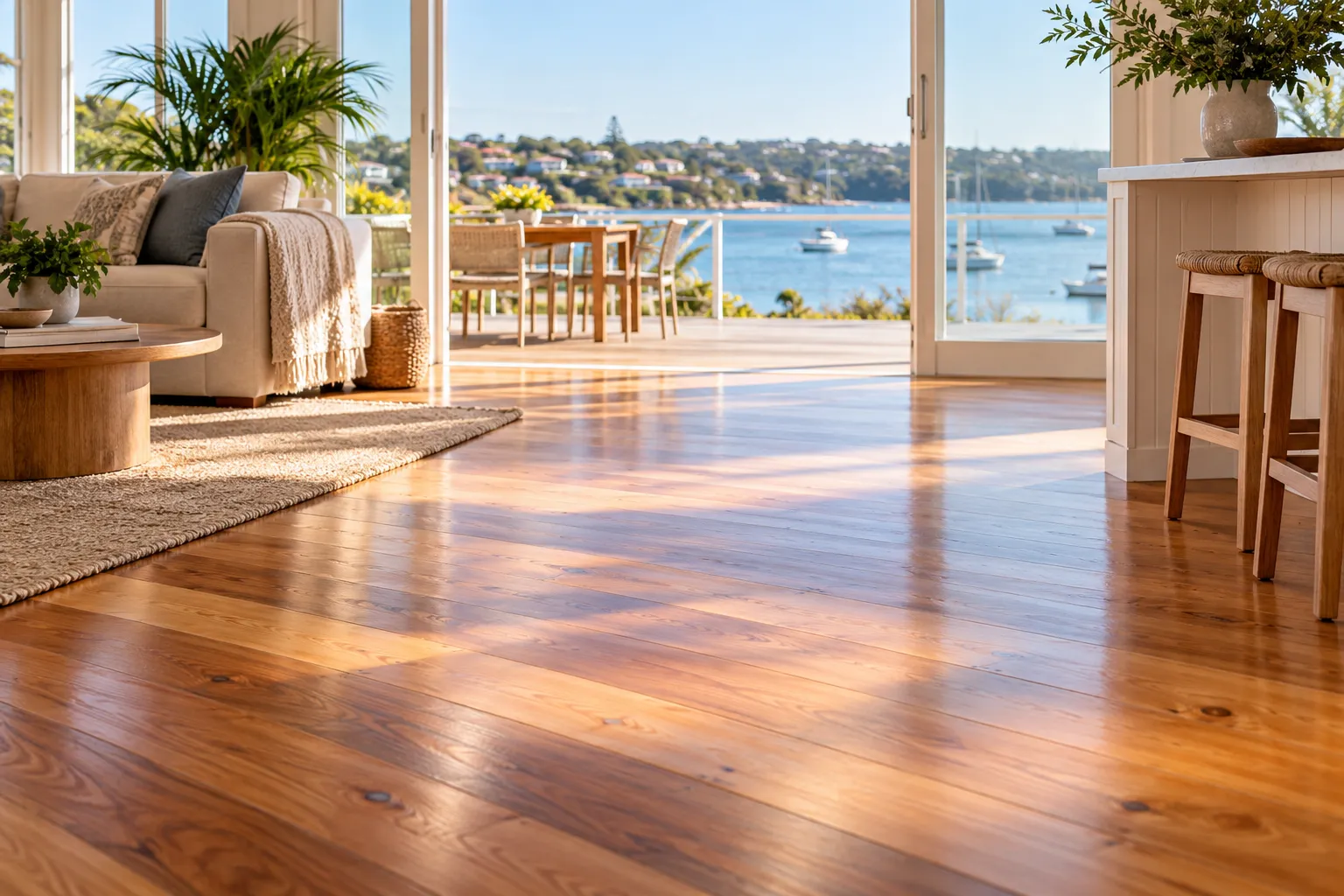

Timber flooring brings natural warmth, character and timeless appeal to a home. From traditional houses with original hardwood floorboards to modern residences featuring polished timber interiors, wooden floors remain a popular choice for homeowners seeking durability and visual appeal.
However, living in a bayside suburb such as Kogarah Bay introduces environmental considerations that may influence how timber floors age. Humidity, changing temperatures, moisture and everyday household activities all contribute to the condition of timber flooring over time.
Understanding these influences is particularly important when considering floor sanding Kogarah Bay, as the success of any restoration project depends on identifying existing damage and choosing appropriate treatment methods.
With regular maintenance, suitable protective finishes and timely attention to early warning signs, homeowners may preserve their timber floors for many years.
Why Coastal Environments Affect Timber Flooring
Timber is a natural material that responds to changes in its surrounding environment. Unlike tiles or concrete, wooden floorboards naturally absorb and release moisture depending on atmospheric conditions.
For homes near waterways, understanding this behaviour is an important part of maintaining flooring.
How Humidity Influences Timber Movement
Timber contains moisture even after it has been processed and installed. When surrounding humidity increases, floorboards may absorb additional moisture and expand slightly. During drier conditions, timber releases moisture and contracts.
These movements are usually small and may occur naturally throughout the year.
However, significant or repeated moisture fluctuations may contribute to:
- Gaps forming between floorboards
- Raised edges or uneven surfaces
- Cupping or slight warping
- Movement around joins
- Cracking in severely affected timber
Older homes may be particularly vulnerable where ventilation is inadequate or moisture enters through damaged building materials.
Maintaining reasonably consistent indoor conditions helps minimise unnecessary timber movement.
The Role of Salt Air and Coastal Conditions
Living near the water offers many lifestyle benefits, but coastal environments also expose homes to changing humidity, airborne salt and wind-driven moisture.
Salt air does not automatically damage timber flooring indoors. However, moisture exposure, accumulated grit and deteriorating protective coatings may contribute to surface wear.
Homes with large windows, frequently opened doors and direct access to outdoor entertaining areas may experience additional exposure to environmental conditions.
Regular inspection of entrances, window-adjacent flooring and other exposed areas may help identify deterioration before it becomes extensive.
Common Signs of Timber Floor Damage in Kogarah Bay Homes
Timber flooring rarely deteriorates overnight. Most changes develop gradually, making early detection important.
Recognising the difference between superficial wear and deeper timber damage helps homeowners determine whether cleaning, repairs or restoration may be necessary.
Warping, Cupping and Uneven Floorboards
Cupping occurs when the edges of a floorboard rise higher than its centre. This often develops when moisture levels differ between the upper and lower surfaces of the timber.
Warping may also cause boards to bend, twist or become uneven.
Possible causes include persistent humidity, plumbing leaks, inadequate subfloor ventilation or moisture entering beneath the flooring.
Before sanding uneven boards, the underlying moisture problem should be identified and corrected. Sanding timber while it remains excessively damp may produce an uneven result once the boards return to their normal moisture levels.
Scratches, Dullness and Discolouration
Not every visible imperfection indicates serious damage.
Over time, timber flooring may develop scratches from furniture, footwear, pets and everyday household movement.
Sunlight exposure may also cause natural colour changes, while busy areas gradually lose their original sheen.
Common signs of surface wear include:
- Fine scratches across frequently used areas
- Dull patches near entrances and hallways
- Faded or uneven timber colouring
- Worn protective coatings
- Minor stains and surface marks
For additional information about identifying different types of damage, the WriteUpCafe article on common hardwood floor problems discusses issues such as warping, scratching and gaps between boards.
Understanding the cause of deterioration is the first step towards choosing an appropriate maintenance or restoration approach.
Practical Ways to Protect Timber Floors in Coastal Homes
Preventive care is often easier and less disruptive than extensive flooring repairs.
Fortunately, protecting timber floors does not necessarily require complicated maintenance routines. A few consistent household habits may make a noticeable difference.
Maintain Consistent Indoor Humidity
Controlling excess moisture is particularly important for timber flooring.
Homeowners should encourage suitable ventilation, investigate condensation and address plumbing leaks as soon as possible.
Where indoor humidity remains consistently high, a dehumidifier or appropriately managed air conditioning may help maintain more stable conditions.
Properties with timber subfloors should also have adequate underfloor ventilation to reduce the risk of moisture accumulating beneath floorboards.
The objective is not to remove all moisture from the environment but to avoid prolonged dampness and extreme fluctuations.
Adopt Timber-Friendly Cleaning Habits
Sand, dust and small particles act as abrasives when repeatedly dragged across polished surfaces.
Regular sweeping or vacuuming with a suitable soft-brush attachment helps remove debris before it damages the protective finish.
For deeper cleaning, use a product recommended for the flooring's particular coating.
Avoid excessive water, steam mops unless specifically approved by the flooring manufacturer, and harsh chemical cleaners that may affect the finish.
A lightly damp microfibre mop is generally preferable to a soaking wet mop for compatible sealed timber flooring.
Additional everyday care ideas are covered in WriteUpCafe's guide to hardwood floor maintenance tips, including regular cleaning and prompt attention to spills.
Prevent Everyday Scratches
Simple protective measures may considerably reduce floor wear.
Place felt pads beneath chairs, tables and frequently moved furniture. Use entrance mats to capture dirt and grit before they enter the home.
In busy households, strategically positioned rugs may help protect high-traffic areas.
However, rugs should be suitable for timber flooring and allow moisture to escape rather than trapping dampness against the surface.
Keeping pet nails trimmed and avoiding dragging heavy furniture are additional ways to minimise unnecessary scratching.
When Is Timber Floor Sanding and Restoration Necessary?
Even well-maintained timber flooring eventually develops signs of age.
Protective coatings become worn, scratches accumulate and previously polished surfaces may lose their original appearance.
At this stage, homeowners may begin exploring floor sanding Kogarah Bay services to determine whether their existing timber floors are suitable for restoration.
Understanding Cleaning, Recoating and Sanding
Not every worn timber floor requires complete sanding.
Where the protective coating remains intact, thorough cleaning may be sufficient to improve its appearance.
If the coating has become dull but still adheres properly, a maintenance recoat may be appropriate, depending on the existing finish and its condition.
More extensive surface damage may require sanding.
Floor sanding involves carefully removing the old finish and a thin layer of timber to create a smoother surface suitable for refinishing.
The process may address:
- Surface scratches and scuff marks
- Worn or patchy coatings
- Certain types of shallow staining
- Minor surface imperfections
- Uneven appearance caused by general wear
However, deep water damage, rotten boards and structural problems may require additional repairs before sanding begins.
How Timber Restoration Helps Preserve Existing Flooring
Restoring existing timber floors is often worth considering before replacing them.
Solid timber flooring may have sufficient thickness to undergo sanding and refinishing, although the number of possible restorations depends on the condition and remaining thickness of the boards.
A typical restoration process involves inspecting the floor, preparing the area, sanding with progressively finer abrasives, completing suitable minor repairs and applying a protective finish.
Homeowners researching timber floor restoration Kogarah Bay may find it useful to understand how these stages work together, particularly when existing floors show a combination of scratches, faded coatings and minor imperfections.
Professional assessment is especially important for older floors, where previous sanding or hidden damage may affect the restoration options available.
Preserving sound timber also avoids removing usable floorboards unnecessarily and may reduce the demand for replacement materials.
Choosing a Suitable Finish for Timber Floors Near the Coast
Selecting a floor finish involves more than choosing between a glossy or natural appearance.
Different coatings have different maintenance requirements, wear characteristics and visual effects.
The most appropriate option depends on the timber species, household activities, existing floor condition and desired appearance.
Water-Based and Polyurethane Coatings
Water-based polyurethane coatings are commonly chosen for their relatively low odour during application and their ability to preserve a lighter, more natural timber appearance.
Different formulations offer varying levels of durability and resistance to everyday wear.
Solvent-based polyurethane finishes may produce a warmer or more amber-toned appearance, depending on the product.
Both coating categories include products designed for residential timber flooring.
However, no surface coating makes timber completely waterproof. Spills, persistent dampness and excessive moisture exposure should still be addressed promptly.
Natural Oils and Matte Finishes
Natural oil finishes are another option for homeowners who prefer a more understated appearance.
Some oil-based systems enhance the timber grain and produce a soft, natural-looking surface.
Depending on the product, localised maintenance may be easier than with certain film-forming coatings. However, oil finishes often require more frequent maintenance.
Matte and satin finishes have also become popular choices in contemporary interiors.
These finishes provide a softer appearance than high-gloss surfaces and may make minor reflections and some everyday marks less noticeable.
When selecting a finish, homeowners should consider how the space is used rather than focusing solely on appearance.
A busy family living room may have different requirements from a lightly used bedroom.
Long-Term Timber Floor Care for Kogarah Bay Homeowners
Consistent maintenance plays an important role in extending the useful life of timber flooring.
Homeowners do not necessarily need a complicated maintenance schedule, but regular observation helps prevent small problems from becoming significant.
A practical care routine may include:
- Weekly cleaning: Remove dust, grit and debris using timber-safe cleaning equipment.
- Prompt spill management: Wipe up liquids before moisture penetrates joins or damaged coatings.
- Regular inspections: Look for raised edges, unusual gaps, discolouration and damaged finishes.
- Furniture protection: Check that felt pads and other protective materials remain in good condition.
- Moisture monitoring: Investigate recurring condensation, dampness or signs of water entry.
- Periodic finish assessment: Review whether high-traffic areas need maintenance or refinishing.
Homeowners should also pay attention to seasonal changes.
A small amount of natural timber movement is not necessarily concerning, but persistent lifting, significant warping or unexplained dampness deserves further investigation.
For older properties, maintaining adequate subfloor ventilation and addressing drainage issues may be particularly important.
Conclusion: Keeping Timber Floors Beautiful in Coastal Homes
Timber flooring offers a combination of natural beauty, durability and character that suits many Kogarah Bay properties.
However, coastal humidity, household moisture, sunlight and everyday foot traffic may gradually affect its appearance and condition.
Understanding the difference between superficial wear and underlying damage helps homeowners make informed decisions about maintenance and restoration.
Regular cleaning, suitable moisture control and appropriate protective finishes may significantly reduce avoidable deterioration.
When existing coatings become excessively worn, floor sanding Kogarah Bay may be a practical consideration for restoring the appearance of suitable timber surfaces without replacing otherwise sound floorboards.
Ultimately, protecting timber flooring is about combining preventive care with timely attention to developing problems. With the right approach, existing wooden floors may remain an attractive and functional feature of the home for many years.




















Sign in to leave a comment.