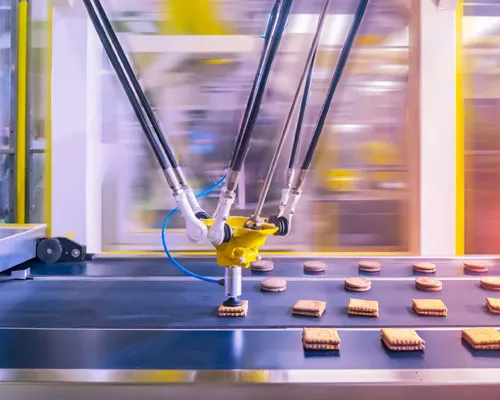

The UAE has a busy food and beverage industry, from bakeries and dairies to bottling plants, meat processors and catering kitchens that serve airlines and hotels. Every one of these sites runs conveyors, mixers, fillers, ovens and packing machines that need lubrication. Because these machines work close to food, the choice of lubricant is about safety as well as performance. Plant engineers looking for food-grade grease in Abu Dhabi and nearby emirates need to understand what "food grade" really means, where it is required, and how to manage it on the factory floor. Choosing the right grease and oil for each point protects both your machines and your customers. This guide explains the basics in simple terms.
What Does "Food Grade" Mean?
In everyday conversation, people say "food-grade lubricant" to mean a product that is acceptable for use where it might accidentally touch food. Internationally, these products are commonly grouped into registration categories.
The Common Categories
- H1 lubricants are intended for use where incidental food contact may occur. Incidental means accidental and in very small amounts, such as a drip from a chain above a conveyor.
- H2 lubricants are for use in food plants but only where there is no possibility of contact with food.
- H3 products are soluble oils used to clean and prevent rust on items like hooks and trolleys, and are wiped or washed off before use.
There are also categories for products used as ingredients or release agents in direct contact, but these fall outside normal machinery lubrication.
What Food Grade Does Not Mean
An H1 product is not an ingredient. It is not meant to be added to food on purpose. The goal is that if a tiny amount reaches the product by accident, it does not create a health hazard. Good hygiene practice still aims for zero contamination.
Where Food-Grade Products Are Needed
Not every machine in a food plant needs an H1 product, but many do. The key question is whether there is any chance the lubricant could reach the food, packaging or food-contact surfaces.
Typical places where H1 products are used include:
- Conveyor chains and bearings above or beside open food.
- Mixers, slicers and grinders.
- Filling and capping machines.
- Ovens and proofers.
- Pumps and valves in product lines.
- Packaging machines that handle open containers.
Areas like workshop tools, forklifts or boiler rooms usually do not need H1 products, as long as there is no chance of those lubricants being carried into production areas.
Why Many Plants Move Fully to H1
Some plants choose to use H1 products on every machine inside the production area, even where contact is unlikely. This approach has clear benefits.
- It removes the risk of someone using a non-food product in the wrong place.
- It simplifies training and labelling.
- It makes audits and inspections easier.
- It reduces the number of products in the store room.
The trade-off is that some H1 products may cost more than standard ones. Many plants find the reduced risk is worth it.
Performance Still Matters
Food-grade lubricants must protect machines just like any other lubricant. A product that is safe but fails under load is not a good choice.
When choosing grease or oil for a food plant, consider:
- Temperature range, especially near ovens, fryers or freezers.
- Water resistance, since many machines are washed down daily.
- Load and speed of the bearing, chain or gear.
- Resistance to cleaning chemicals and steam.
- Compatibility with seals and plastics used in food equipment.
Wash-Down Environments
Daily wash-downs with hot water and cleaning chemicals can strip lubricant from bearings and chains. Products with good water resistance help, but frequent relubrication may still be needed. Sealed and stainless bearings can also reduce problems in heavy wash-down areas.
Hot and Cold Areas
Ovens and baking lines can run very hot, while freezers and cold stores run well below zero. A single product rarely suits both. Match the lubricant to the temperature range at each point.
Chains, Conveyors and Gearboxes
Conveyors are everywhere in food plants, and their chains and bearings are among the most frequent lubrication points. Chains often run directly above or beside open product, so drips are a real concern.
Chain Lubrication Tips
- Apply lubricant to the inside of the chain, where the pins and bushings are, not the outside plates.
- Use a light, even amount and wipe away excess.
- Consider automatic chain oilers that apply small, measured doses.
- Clean chains regularly to remove old lubricant mixed with food debris.
Bearings on Conveyors
Conveyor bearings usually take a lubricating paste rather than oil. Choose a food-grade grease that suits the speed, temperature and wash-down conditions at each bearing. Check seals regularly, because a damaged seal lets water in and lubricant out.
Gearboxes and Drives
Gearboxes on mixers and conveyors usually hold oil. Even though they are enclosed, a leaking seal can let oil escape onto the line. Many plants use H1 gear oils in these units for that reason. Check gearboxes for leaks at every inspection and fix them promptly.
Managing Food-Grade Products on Site
Using the right product is only half the job. Managing it properly prevents mix-ups and contamination.
Separate Storage
Store food-grade lubricants separately from standard products, ideally in a dedicated, labelled cabinet. Keep containers closed and clean.
Dedicated Tools
Use separate lubricant guns, oil cans, funnels and brushes for food-grade products. Mark them clearly with a colour or tag. Never share tools between food-grade and non-food products.
Clear Labelling at Every Point
Label every lubrication point with the correct product. A colour-coded tag system makes it easy for technicians to choose correctly, even in a hurry.
Keep Records
Food safety systems usually require records of what is used on each machine. Log the product, quantity, date and person for each lubrication task. This helps during audits and shows good control.
Building Lubrication Into Your Food Safety Plan
Food safety management systems look at hazards that could affect the product. Lubricants are a chemical hazard, so they should be part of your plan.
A simple approach:
- List every machine and lubrication point in the production area.
- Assess whether lubricant could reach food or food-contact surfaces at each point.
- Choose suitable H1 products for points with any possible contact.
- Set out storage, labelling, tool and record rules.
- Train maintenance and production teams on the rules.
- Review the plan whenever new machines are added.
Ask your supplier for product data sheets and registration documents for every food-grade product you use. Keep copies on file for auditors.
Avoiding Over-Lubrication
Over-lubrication is a bigger problem in food plants than elsewhere. Excess lubricant drips, collects dust and debris, and is more likely to reach food. It also wastes money.
- Calibrate lubricant guns so technicians know how much each stroke delivers.
- Apply only the amount the equipment maker recommends.
- Wipe away any excess immediately after relubrication.
- Use drip trays and guards where drips are possible.
Automatic lubrication systems can help by delivering small, controlled amounts at set intervals.
Training Your Team
Everyone who handles lubricants in a food plant needs to understand the rules. A short training session should cover:
- What food-grade categories mean.
- Where food-grade products must be used.
- How to read labels and colour codes.
- Why tools and containers must never be shared.
- How to record lubrication tasks.
- What to do if the wrong product is used.
Refresher training once a year, and for every new team member, keeps standards high.
What to Do If Something Goes Wrong
If a non-food lubricant is used on a food-contact point, or a large leak reaches the product, act quickly.
- Stop the line and isolate the affected product.
- Report the incident to the quality or food safety team.
- Clean the machine and remove all of the wrong lubricant.
- Relubricate with the correct product.
- Record what happened and why, and fix the root cause.
Having a clear procedure means people know what to do and do not hide mistakes.
Sourcing Products Locally
Food plants need reliable supply. Running out of a food-grade product can tempt people to use whatever is available. Choose a supplier of food-grade grease in abu dhabi who keeps stock, can supply documentation, and understands food industry needs. Ask for pack sizes that match your usage, so containers are not left open for long.
When you review your supply, list every product you use, the monthly quantity, and any special requirements. A local supplier of grease in abu dhabi and food-grade oils can then help you keep the right stock on hand.
Common Questions From Plant Managers
Can We Use One Product Everywhere?
Sometimes, but not always. Temperature, speed and load vary across a plant. A small range of H1 products usually covers most needs better than a single one.
Do H1 Products Last as Long?
Modern food-grade products can perform very well. Performance depends on the specific product and the application, so check the data sheet and monitor results.
Do We Need to Change Everything at Once?
No. A planned changeover, machine by machine at regular service times, is usually safer. Purge old lubricant fully when switching.
Final Thoughts
Lubrication in a food plant is about protecting people as well as machines. Understanding food-grade categories, using H1 products where contact is possible, and managing storage, tools and records carefully all help keep food safe and audits smooth.
Choose each grease and oil to match the real conditions at every point, including heat, cold and wash-downs. Train your team, avoid over-lubrication, and keep clear records. Work with a supplier of food-grade grease in abu dhabi who understands your industry and can support you with documentation and steady stock. With the right products and habits, your lines can run reliably and safely every day.


























Sign in to leave a comment.