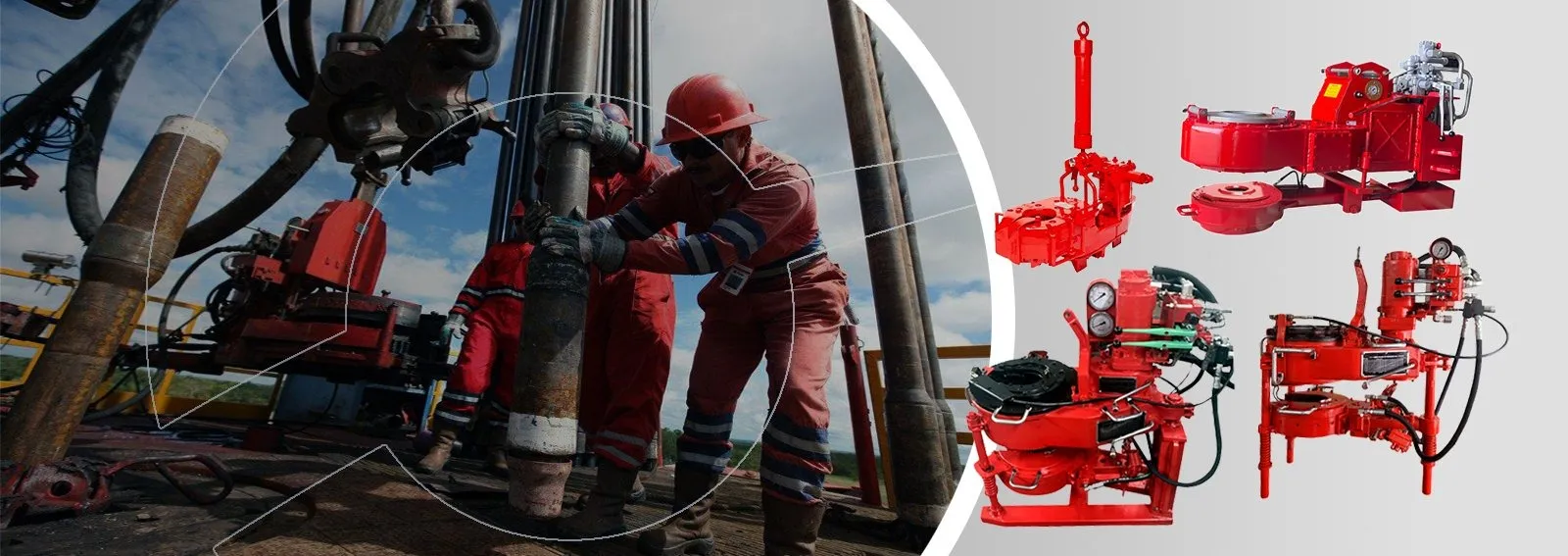

Few things on a frac location work harder than the pumps. They push sand and fluid at more than 10,000 psi, one stage after another, sometimes for days with hardly a pause. Parts inside are going to wear, and they're supposed to. The frac pump expendables in the fluid end take that beating so the expensive iron doesn't have to. Crews who know how those parts fail tend to lose fewer pumps in the middle of a stage, and they spend a lot less on fluid end repairs.
What Wears Out Inside the Fluid End
On a triplex or quint, the parts you'll be changing are the suction and discharge valves, the seats, the inserts and springs, the plungers, and the packing around each plunger. Sand is behind almost all of it. It works into every gap, cuts the sealing faces, and drags along the plungers with every stroke. On most pumps, the valves and packing give out first, so that's where to keep your eyes.
Frac Valves and Seats: Catch the Leak Early
Once a valve starts to leak under pressure, sandy fluid squeezes through a very small opening at a very high speed. It cuts the valve first, then the seat. Leave it long enough and it starts eating the fluid end bore, and now a cheap part has turned into a big repair bill.
So replace frac valves and seats together, every time. A new valve dropped onto an old seat won't hold for long. Things to watch for: discharge pressure that starts swinging more than usual, a pump that suddenly sounds off, or one cylinder running hotter than the ones next to it. When a seat comes out, look closely at the deck for any washing. Check the inserts too. If the urethane is torn or chunked, that valve doesn't have much life left.
Picking Valves for the Job
Valves aren't all built the same. The insert compound changes from one maker to another, and so do body hardness and spring rate. A slickwater job with fine mesh sand wears valves differently than a high-rate job running coarse proppant. Tell your supplier the pump model, the valve size and what the job looks like, not just a part number.
Well Service Plunger Packing: Small Leaks, Big Trouble
The packing seals the plunger in the stuffing box. A normal set has a header ring, the pressure rings and a junk ring. Well service plunger packing takes heat, pressure and grit all day, and it wears much faster if the plunger behind it is scored. Put fresh packing on a rough plunger and you'll be chasing a leak again before long.

Keep the packing lube system full and actually working, because packing that runs dry burns up quickly. Tighten the packing nut to spec. Cranking it down as hard as you can just builds heat and shortens its life. Every time you pull packing, look at the plunger. If it's scored or pitted, swap it too, or the new well service plunger packing won't hold up.
Buying Parts That Last
Two parts can look exactly alike in a box and run completely differently on location. Buy from people who know pumps and can match parts to your fleet. Keep enough valves, seats and packing on site to go through every pump at least once. For crews in the Permian, Midland Oil Tools keeps frac pump expendables close to the basin, so a down pump doesn't sit long waiting on parts.
Keep Track of Every Pump
Log every pump. Note how many stages it ran, what pressure it saw, and why each part was pulled. Give it a few jobs and you’ll start noticing the same problems coming back. One pump might go through packing faster than the others, or one cylinder might keep washing out seats. It’s a lot cheaper to fix whatever’s behind that than to keep buying the same parts again and again.
FAQs
What usually fails first on a frac pump?
The valves, seats and packing. Plungers last longer as long as the packing stays lubricated.
Do valves and seats need to be changed at the same time?
Yes. A new valve on a worn seat rarely seals for long.
Why is my new packing already leaking?
Most often the plunger is scored, the lube system isn't working, or the packing nut was overtightened.
How can I tell if the fluid end is washing?
When you pull a seat, check the deck for cuts or grooves. Also keep an eye out for one cylinder running hotter than the rest.














Sign in to leave a comment.