Friendship Peak Fitness Test — Are You Actually Ready to Summit


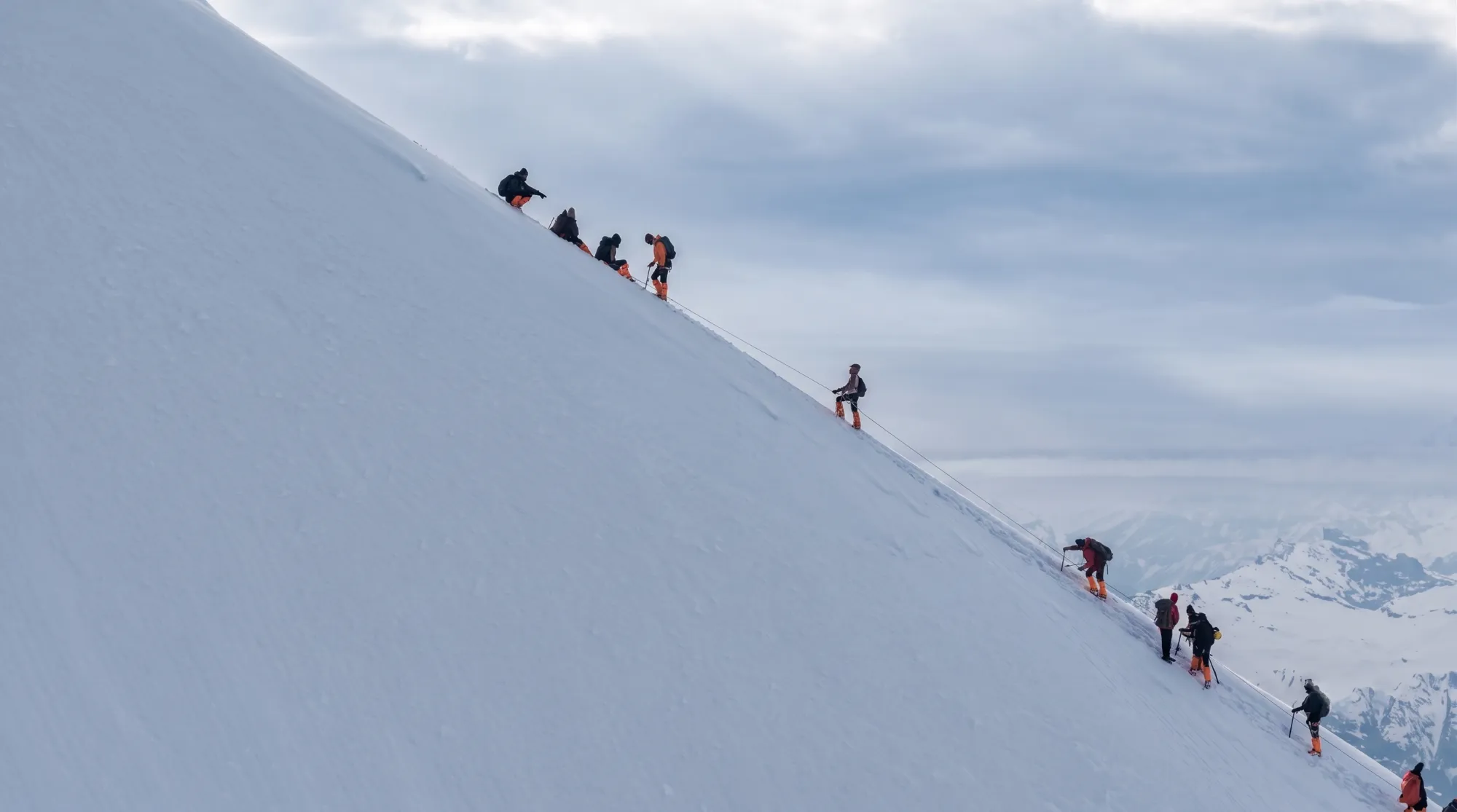
Friendship Peak stands at 5,289 metres, and reaching the summit requires more than regular gym workouts or occasional trekking. The expedition involves long hours of walking, steep climbs, a backpack, cold conditions and high altitude. Before you leave for the mountain, it is important to know whether your current fitness level is actually suitable for the climb.
Here are five simple fitness tests that can help you assess your preparation.
1. Loaded Stair Climb
Take a backpack weighing around 8–10 kg and climb stairs continuously for 45 minutes. Try to maintain a steady pace without taking long breaks.
This test helps measure your leg strength and cardiovascular endurance. If you struggle early, include more stair climbing and uphill training in your routine.
2. One-Hour Uphill Walk
Find a suitable slope, hill or incline and walk uphill continuously for around 60 minutes while carrying your backpack.
The aim is not to walk extremely fast but to maintain a consistent pace. If your breathing becomes difficult or your pace drops significantly after a short period, you may need more cardio training before the expedition.
3. Test Your Descending Strength
Climbing is only half of the challenge. Descending after a long summit push can put considerable pressure on your knees and quadriceps.
Try a continuous downhill walk with your backpack and check how your legs feel the following morning. Excessive soreness or difficulty using stairs indicates that you need more leg and quad-strength training.
4. Early-Morning Training Test
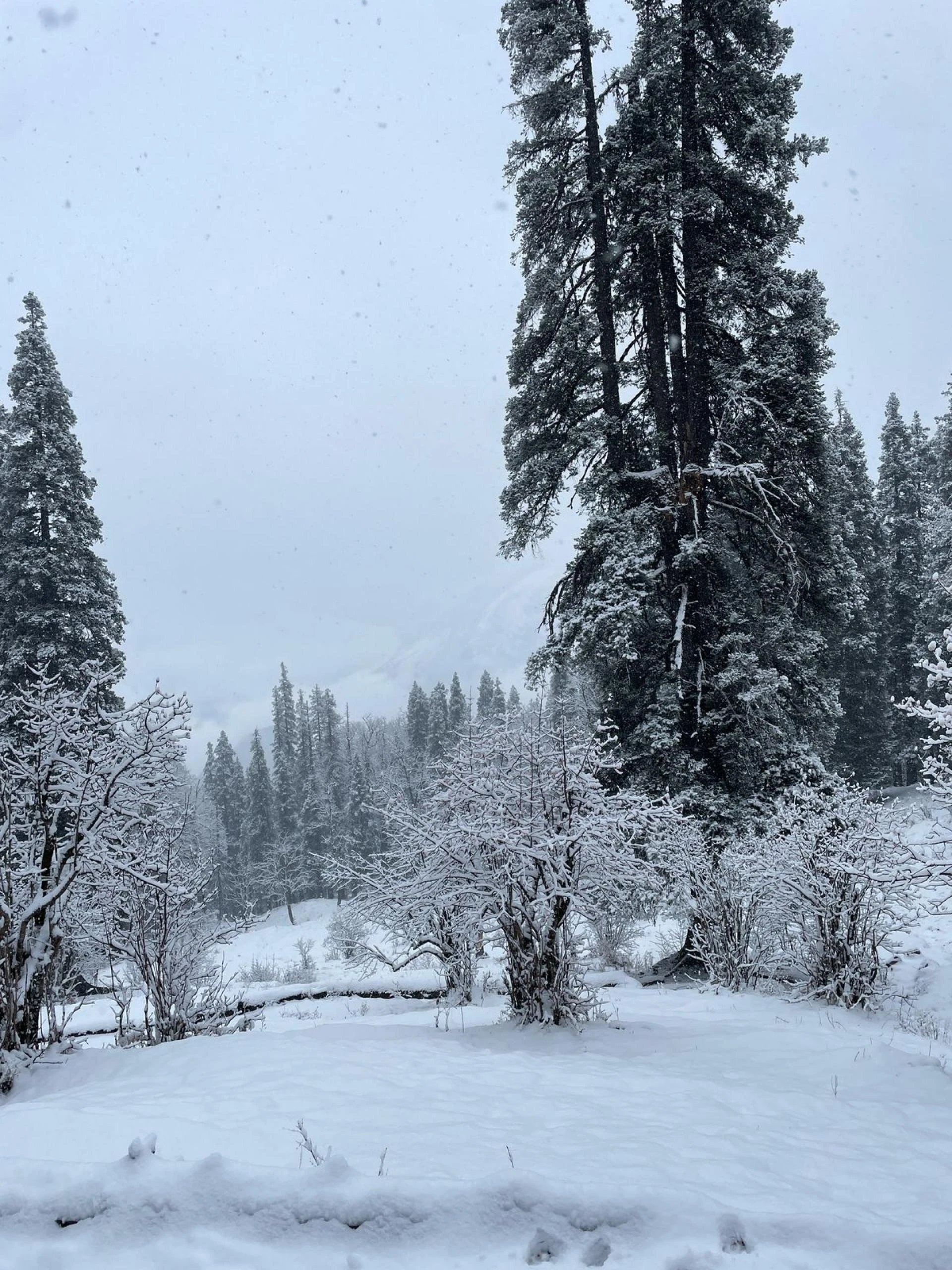
Friendship Peak summit attempts can begin during the early hours when it is dark and extremely cold. To understand how your body and mind respond, occasionally schedule an early-morning training walk.
Getting out of bed when you are tired, putting on your layers and continuing to walk in cold conditions can help you prepare mentally for summit day.
5. Back-to-Back Training Test
Mountain fitness is also about recovery. Try combining demanding training on one day with a moderate walk the following day.
Pay attention to how your body performs when it is already tired. If you can continue moving comfortably without a major drop in energy, your recovery and endurance are developing well.
What Do Your Results Tell You?
Passing these tests does not guarantee an easy summit. Altitude affects every person differently, and proper acclimatization remains essential.
However, these tests can show whether you have developed the endurance, strength, recovery capacity and mental preparation required for a demanding high-altitude expedition.
If you struggle with several tests, give yourself more training time rather than rushing your preparation. Improving your fitness gradually is much better than arriving at the mountain underprepared.
Prepare Before You Climb
Friendship Peak demands consistent preparation. Combine cardio, strength training, uphill walks, loaded hikes and proper recovery in the weeks before your expedition.
Want to know exactly how ready you are for Friendship Peak? Read TrekYaari's complete Friendship Peak Fitness Test — Are You Actually Ready to Summit and test your preparation before heading to the mountains.





Sign in to leave a comment.